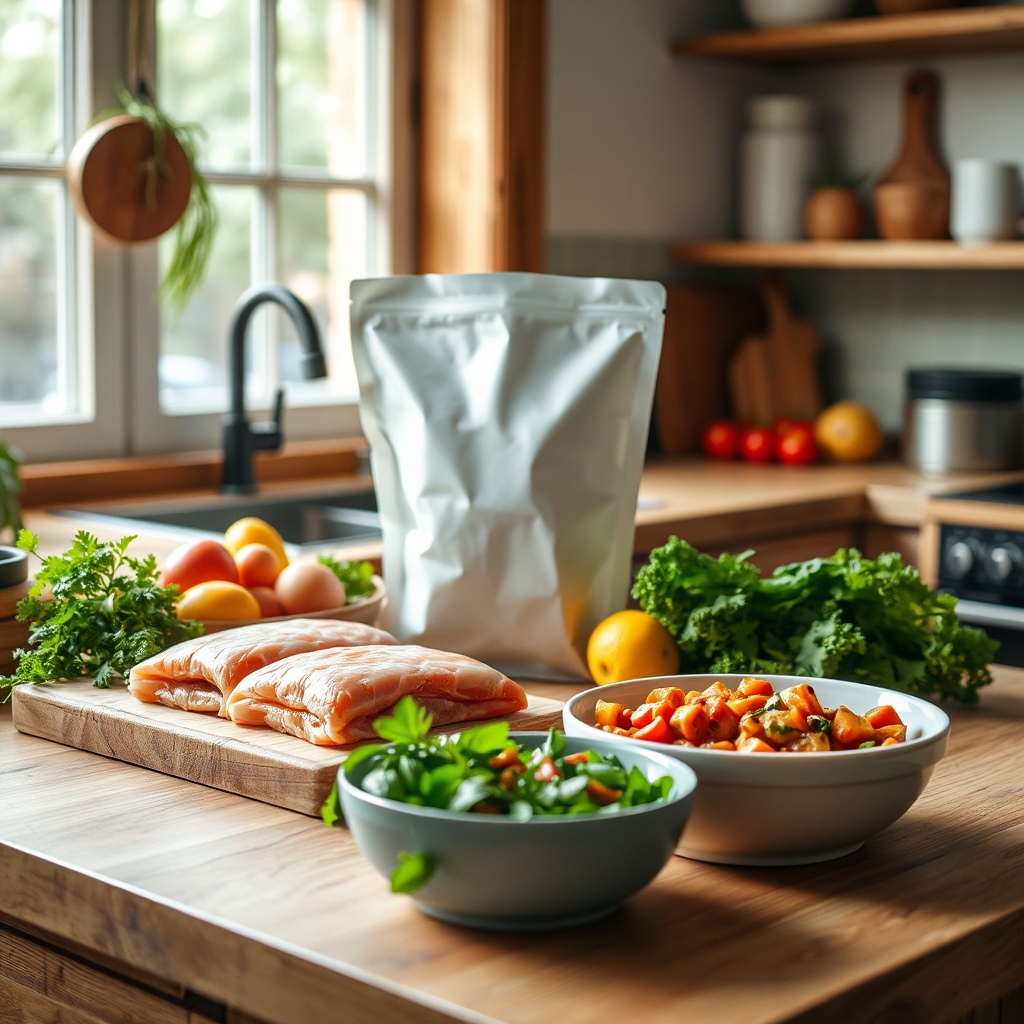
Mastering Meal Planning How To Maximize Variety Without The Stress
Maximize meal variety with the 2+1 strategy: two fresh proteins, one freezer buffer, and repurposed leftovers for less waste and lower grocery costs.
Mastering Meal Planning: How to Maximize Variety Without the Stress
Meal planning is a powerful tool for home cooks, promising to save time, reduce waste, and keep meals interesting. Yet, many of us struggle with the paradox of variety: we want diverse dishes, but the pursuit of too much variety can lead to increased complexity, higher costs, and more stress. Today, let's explore how to optimize your meal plan for variety without the hidden drawbacks.
The Variety Paradox: Too Much of a Good Thing
In our quest for diverse meals, we often fall into the trap of seeking too many different ingredients. A recent study highlights this issue, showing that plans built around many low-overlap recipes create hidden complexity in shopping, prep, and waste. This approach, while offering a wide range of flavors, can lead to a shopping cart full of unique ingredients, increased waste, and a higher likelihood of abandoned meals.
The 2+1 Strategy: Variety Through Convergence
At MealSolved, we advocate for a different approach: the 2+1 Strategy. This involves planning around two fresh core proteins and one freezer-breaker. This strategy forces recipe overlap by design, reducing unique SKUs and increasing the likelihood that leftovers can be repurposed. Let's break down why this works:
Two Fresh Core Proteins
By focusing on two core proteins, you minimize your exposure to volatile protein pricing. As recent grocery-cost reporting shows, meat prices are increasingly unpredictable. Limiting your fresh protein purchases to two cores helps protect your budget from unexpected price hikes.
One Freezer Breaker
A freezer-breaker is an insurance policy against disrupted nights and price shocks. It provides a no-rebuy buffer, ensuring you always have a meal ready when plans change. This not only reduces stress but also helps combat the effects of shrinkflation, where consumers feel they must buy more to get the same value.
Why This Matters Now
Food inflation and grocery price uncertainty are persistent issues, making meal planning stress a rational concern. A 2024 NPR report highlights this, showing that food prices are expected to remain volatile. In such an environment, controlled repetition in meal planning offers resilience and peace of mind.
Variety Through Repurposing
The 2+1 Strategy encourages variety through repurposing. By using your core proteins in multiple ways, you create variety without the complexity of too many unique ingredients. For example, you might use chicken in a stir-fry, a curry, and a soup. Each dish is distinct, yet you only need to buy one type of protein.
Pro Tip: Embrace the Power of Leftovers
Leftovers are not just a way to reduce waste; they're a strategic resource. They allow you to create new meals with minimal effort, providing built-in variety and reducing the need for last-minute shopping.
Key Takeaway
Variety is not about the number of unique ingredients you buy; it's about the number of different meals you can create from a limited set of components. The 2+1 Strategy helps you maximize variety while minimizing stress, waste, and expense.