
The Flavor Fatigue Fallacy Why Your Brain Gets Bored With Repeated Meals And How Mealsolveds 2 Plus 1 Strategy Defeats Taste Adaptation Through Structured Variety
Beat meal boredom! Learn why your brain gets tired of the same meals and how MealSolved's 2+1 strategy uses structured variety to keep dinners exciting and reduce waste.
The Flavor Fatigue Fallacy: Why Your Brain Gets Bored With Repeated Meals And How MealSolved's 2+1 Strategy Defeats Taste Adaptation Through Structured Variety
**
Introduction
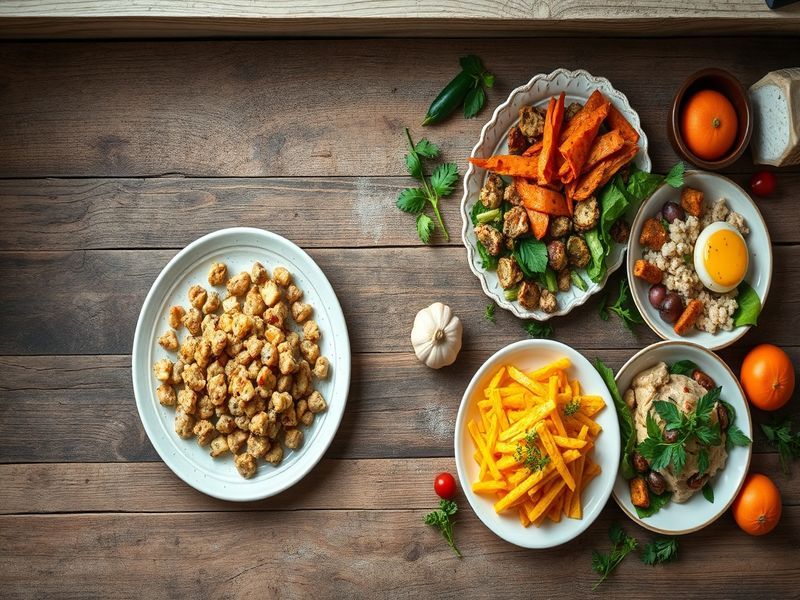
Ever found yourself staring blankly into your fridge, uninspired by the meals you've planned for the week? You're not alone. As home cooks, we often face a silent enemy: flavor fatigue, the psychological phenomenon that makes our favorite dishes feel bland and unappealing after repeated exposure. This article explores the neuroscience behind flavor fatigue, its impact on our meal planning, and how MealSolved's 2+1 strategy can help us overcome it.
The Science Behind Flavor Fatigue
Neuroscience of Taste Adaptation
Our brains are wired to adapt to repeated stimuli, a process known as habituation. When we eat the same foods repeatedly, our taste buds and brain's reward centers become desensitized, leading to taste adaptation or flavor fatigue[^1].
Decision Fatigue and Food Choices
Decision fatigue—the mental exhaustion that results from making too many choices—also plays a role in flavor fatigue. Research shows that we make dozens to hundreds of food decisions daily, and when our cognitive resources are depleted, we shift toward automatic, low-effort responses and convenience-driven options[^2]. This can lead to increased meal boredom and decreased satisfaction with our food choices.
The Restaurant Industry's Solution: Menu Rotation
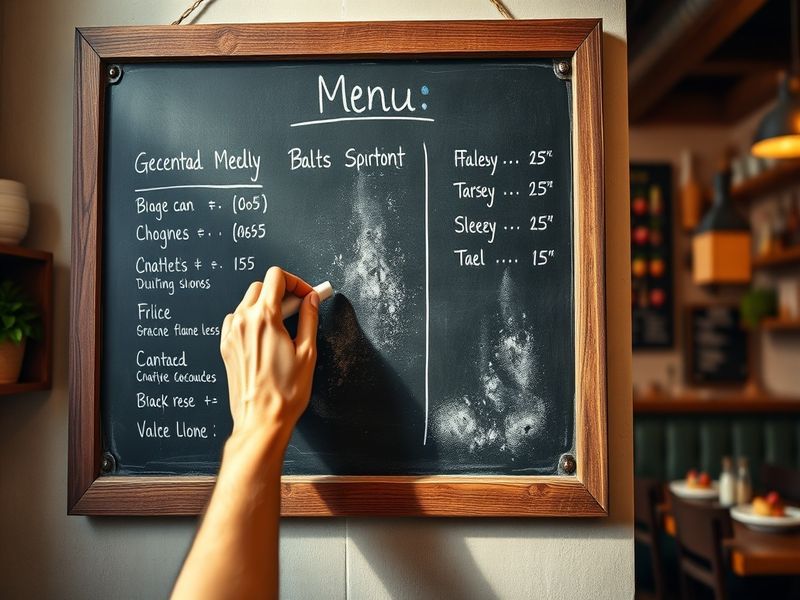
Restaurants face the same challenge of flavor fatigue but have professional systems to combat it. They rotate menus to maintain customer interest, with cocktails and healthy/wellness items requiring the most frequent innovation due to their reliance on novelty[^1]. This strategy keeps diners engaged and reduces menu fatigue.
**
The Home Cook's Dilemma
While restaurants can rotate menus, home cooks lack this professional system. We're left to our own devices, struggling with flavor fatigue and decision fatigue, and often resorting to takeout or unhealthy convenience foods when our mental energy is depleted[^2].
MealSolved's 2+1 Strategy: Structured Variety for Home Kitchens
MealSolved's 2+1 strategy applies restaurant-level supply chain management to home kitchens, creating structured variety that combats flavor fatigue and reduces decision fatigue.
Limiting Fresh Ingredients: The "Fresh Zone (JIT)" Concept
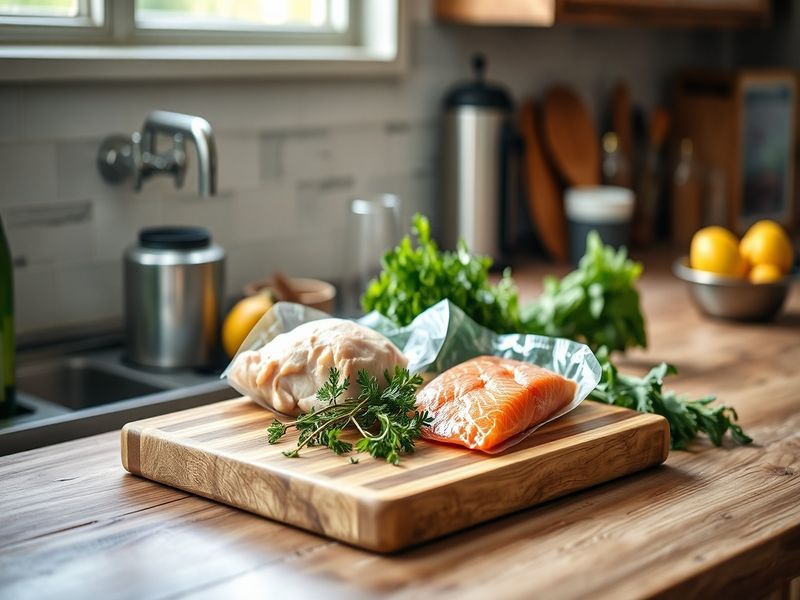
By limiting fresh ingredients to just two core proteins per week, MealSolved's strategy reduces cognitive load and waste exposure. This Just-In-Time (JIT) inventory approach, or "Fresh Zone," ensures that perishables are only stocked for meals within 48-72 hours, reducing waste and maintaining freshness[^3].
**
Incorporating Freezer-Breaker Meals: Strategic Innovation
Incorporating freezer-breaker meals strategically interrupts taste adaptation cycles. These meals, prepared in advance and stored in the freezer, provide variety and novelty without adding to the weekly meal planning burden. This mirrors the restaurant industry's approach to menu rotation, keeping home cooks engaged and interested in their meals[^1].
Applying Industrial Efficiency Principles to Home Kitchens
MealSolved's 2+1 strategy applies industrial efficiency principles like Kanban and JIT inventory to home kitchens, reducing waste and cognitive load. By limiting fresh liability and strategically incorporating frozen meals, home cooks can maintain variety and enjoyment in their meals while minimizing waste and decision fatigue[^3].
The Economic Imperative: Rising Food Prices and Meal Planning
With food prices rising faster than historical averages, efficient meal planning has become both financially and psychologically necessary[^4]. Traditional batch cooking methods can lead to flavor fatigue and increased waste, making structured flexibility like the 2+1 strategy more valuable for both psychological and economic reasons.
The Environmental Stake: Food Waste and Meal Planning
Ineffective meal planning contributes to household food waste, costing an average of $728 per capita annually[^5]. By reducing waste through structured variety and strategic inventory management, MealSolved's approach helps home cooks save money and minimize their environmental impact.
Key Takeaway
Flavor fatigue is a real challenge for home cooks, but MealSolved's 2+1 strategy offers a solution. By limiting fresh ingredients and strategically incorporating frozen meals, we can combat taste adaptation, reduce decision fatigue, and maintain variety and enjoyment in our meals. This approach not only improves our dining experience but also saves us money and reduces food waste.
> Pro Tip: Try MealSolved's 2+1 strategy this week and experience the difference structured variety can make in your meal planning and enjoyment.
Sources
[1] Datassential. (2025). Menu Fatigue & Flavor Fatigue. Retrieved from https://datassential.com/resource/menu-fatigue-flavor-fatigue/
[2] Masicampo, E. J., & Baumeister, R. F. (2008). The depleting effect of choice: Why making multiple decisions fatigues the self. Journal of experimental social psychology, 44(5), 817-825.
[3] MealSolved. (2025). Supply Chain Kitchen: JIT Inventory & The 2+1 Strategy. Retrieved from https://mealsolved.com/blog/supply-chain-kitchen-jit-inventory-2-plus-1-strategy.html
[4] USDA Economic Research Service. (2025). Food Prices. Retrieved from http://www.ers.usda.gov/data-products/charts-of-note/chart-detail?chartId=111015
[5] EPA. (2025). Household Food Waste. Retrieved from https://www.biocycle.net/epa-updates-data-on-cost-of-household-food-waste/