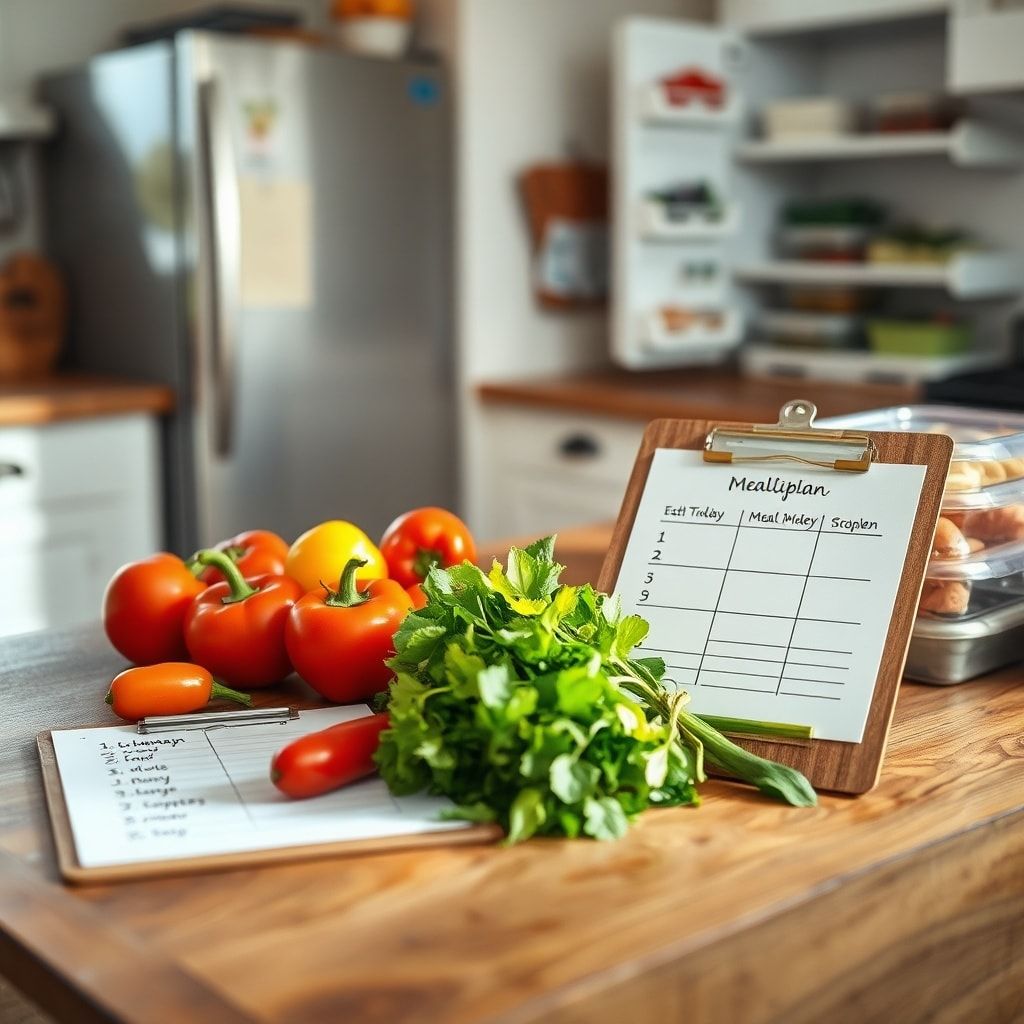
Behavioral Economics Grocery Shopping Food Waste Overspending
Explore how loss aversion, mental accounting & present bias drive grocery waste & overspending, and how a simple meal planning strategy can help you save.
The Behavioral Economics of Grocery Shopping: How Loss Aversion, Mental Accounting, and Present Bias Drive Food Waste and Overspending
MealSolved helps you plan meals, reduce waste, and save money. But why do we overspend and waste food in the first place? The answer lies in behavioral economics. Understanding how our minds work can help us make better grocery shopping decisions. Let's explore three key cognitive biases—loss aversion, mental accounting, and present bias—and see how MealSolved's 2+1 strategy helps overcome them.
Loss Aversion: Why We Hate Losing What We Have
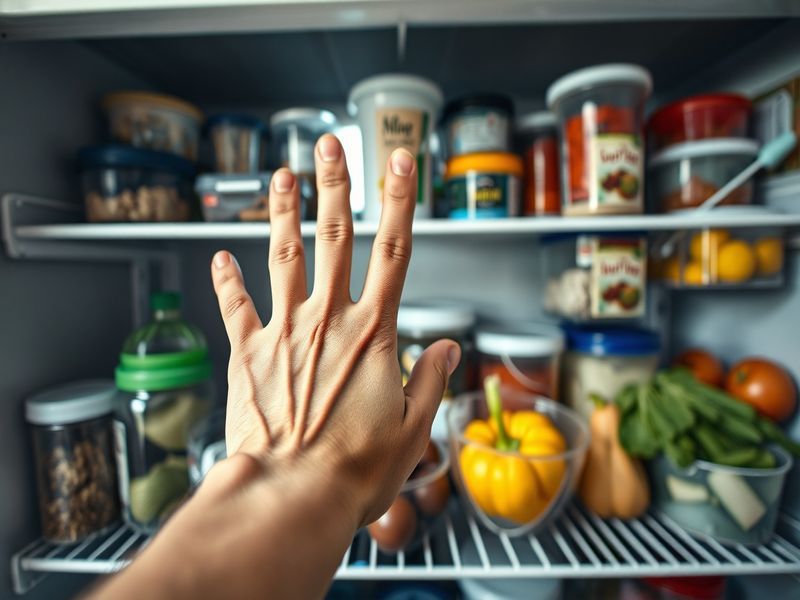
We tend to prefer avoiding losses to acquiring equivalent gains. This is known as loss aversion. In the kitchen, this means we hate wasting food we already have, even if it means eating something we don't really want. We'd rather eat wilted spinach than throw it away, right?
Loss aversion leads to hoarding and poor food management. We buy too much, then stress about using it all before it spoils. Sound familiar?
**
The Endowment Effect: Why Ownership Increases Value
Once we own something, we value it more. This is the endowment effect. It's why we resist using freezer meals we've "invested" in, leading to freezer blindness and wasted food.
Mental Accounting: Why We Spend Differently on 'Fresh' vs. 'Frozen'
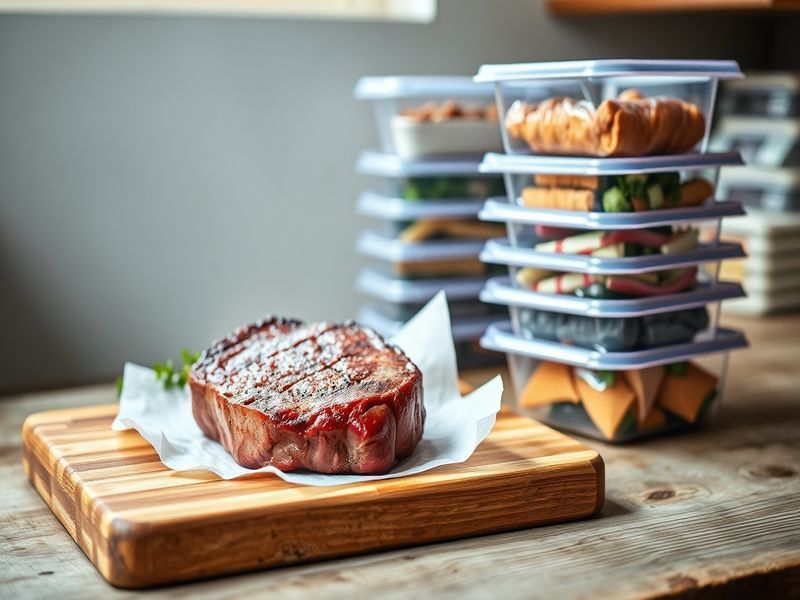
We create separate mental budgets for different types of food. This is mental accounting. We think of fresh food as an immediate expense and frozen food as a long-term investment. This leads to inefficient spending and waste.
For instance, we might buy expensive fresh meat for tonight's dinner but ignore cheaper frozen meals that could save us money in the long run.
**
Present Bias: Why We Prioritize Immediate Gratification Over Future Planning
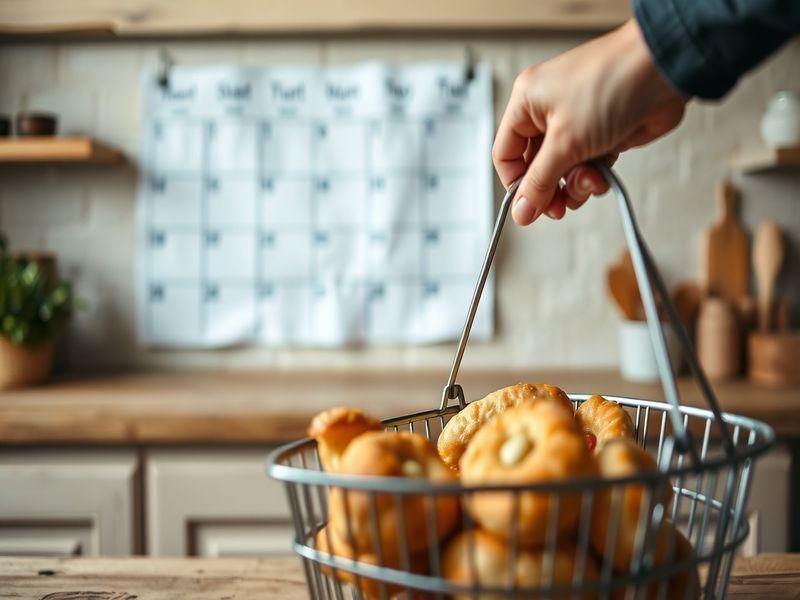
We prioritize immediate rewards over future ones. This is present bias. In grocery shopping, it means we buy what we want now, not what we'll need later. This leads to poor meal planning and wasted food.
We might buy fresh ingredients for this week's dinners but neglect to plan for next week, leading to wasted food and emergency trips to the store.
**
How MealSolved's 2+1 Strategy Overcomes These Biases
MealSolved's 2+1 strategy—planning around two fresh core proteins plus one freezer meal—addresses these biases:
-
Overcomes loss aversion by creating a predetermined consumption schedule. We're less likely to waste food if we know we'll eat it soon.
-
Challenges mental accounting by integrating fresh and frozen foods into a single, balanced meal plan. We see the value in both.
-
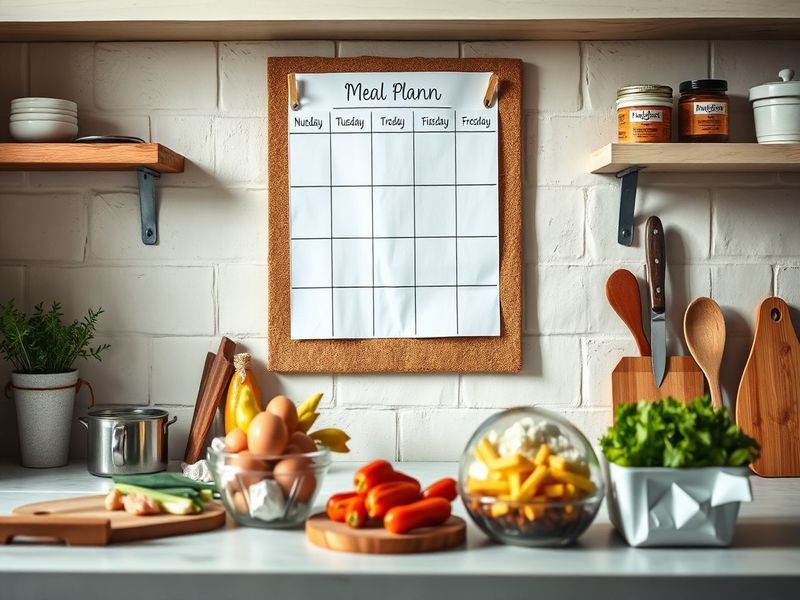
Combats present bias by requiring us to plan ahead. We're more likely to consider future needs when we plan meals in advance.
**
Key Takeaway: Structured Meal Planning Reduces Waste and Saves Money
Understanding our cognitive biases helps us see why unstructured grocery shopping leads to waste and overspending. MealSolved's 2+1 strategy provides a structured approach that overcomes these biases, helping us reduce waste, save money, and eat healthier.
Pro Tip: Make your freezer an active part of your meal plan. Schedule freezer meals just like you would fresh ones. This helps overcome loss aversion and makes your freezer feel more valuable.