Thermodynamics Of Kitchen Energy How Mealsolveds 2 Plus 1 Strategy Reduces Both Cognitive And Electrical Load
How MealSolved's 2+1 Strategy cuts kitchen energy use through batch cooking & efficient appliances. Save money and the planet.
The Thermodynamics of Kitchen Energy: How MealSolved's 2+1 Strategy Reduces Both Cognitive and Electrical Load Through Efficient Cooking Physics
In the quest for a more sustainable and budget-friendly home, many of us focus on energy-efficient appliances and smart home technologies. However, one area often overlooked is the energy consumption of our kitchens. While we've become adept at managing our mental load with meal planning, the literal energy consumption of cooking remains a significant yet untapped opportunity for savings. Today, we explore how MealSolved's 2+1 Strategy isn't just efficient for mental bandwidth—it's also remarkably efficient for electrical consumption when we examine the thermodynamics of meal preparation.
The Kitchen as a Power Plant: Understanding Cooking Energy Consumption
Before we dive into the efficiency gains, let's establish the baseline energy consumption in American kitchens. According to a 2025 market analysis by Fotile, 68% of U.S. households now cook primarily with electricity, with significant regional variations in cooking fuel preferences [1]. This widespread use of electric cooking makes kitchen energy efficiency a crucial consideration for household budgets and environmental sustainability.
The Physics of Efficient Cooking: How MealSolved's 2+1 Strategy Optimizes Kitchen Energy
MealSolved's 2+1 Strategy—planning around two fresh core proteins plus one freezer-breaker—offers more than just mental load relief and meal variety. It also optimizes kitchen energy consumption through several thermodynamic efficiencies.
1. Appliance Usage Optimization: Batch Cooking for Efficient Heating and Cooling Cycles
Strategic meal planning reduces energy consumption by minimizing the frequent heating and cooling cycles that characterize improvised daily cooking. Energy utilities have long recognized this efficiency gain, with Constellation Energy noting in 2020 that batch cooking reduces energy consumption by consolidating appliance use [2].
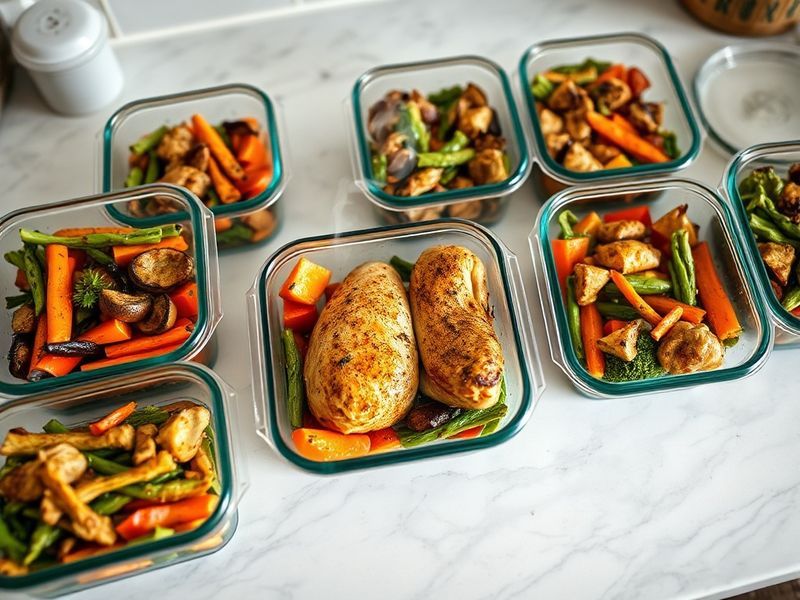
In the 2+1 Strategy, batch cooking is systematized through the freezer-breaker component. By dedicating one meal slot to a freezer-friendly dish, users can prepare multiple portions at once, optimizing appliance usage and reducing the overall cooking time and energy required throughout the week.
2. Leveraging Efficient Cooking Technologies: Induction Cooking and Pressure Cookers
The 2+1 Strategy also encourages the use of efficient cooking technologies, further reducing energy waste. When home cooks plan strategically around efficient appliances like induction cooktops, they reduce both cooking time and energy waste. Induction cooktops achieve approximately 90% efficiency, compared to 74% for traditional electric and 40% for gas, according to a 2025 guide from San Mateo County's Sustainability Department [3].
Moreover, the 2+1 Strategy's focus on batch cooking makes high-efficiency appliances like electric pressure cookers particularly advantageous. Research from 2025 shows that electric pressure cookers reduce cooking times by up to 70% while using less energy than conventional methods [4].
3. Minimizing Start-Stop Cooking Patterns: The Energy-Saving Impact of Structured Meal Planning
Disorganized home cooking often involves frequent starts and stops, with cooks switching between multiple recipes and appliances. This stop-and-go approach wastes energy as appliances heat up and cool down repeatedly. In contrast, the structured meal planning enabled by the 2+1 Strategy minimizes these inefficient cooking patterns, allowing appliances to run at optimal temperatures for longer periods.
The Environmental Impact of Strategic Meal Planning
The energy savings from efficient cooking extend beyond household budgets, contributing to a more sustainable planet. By reducing the overall energy demand for cooking, strategic meal planning helps lower greenhouse gas emissions and supports a healthier environment.
Key Takeaway: Strategic Meal Planning as a Kitchen Energy Efficiency Solution
The 2+1 Strategy's benefits extend far beyond mental load relief and meal variety. By optimizing appliance usage, leveraging efficient cooking technologies, and minimizing start-stop cooking patterns, MealSolved's approach reduces both cognitive and electrical load in the kitchen. This thermodynamic efficiency not only saves households money but also contributes to a more sustainable planet.
So, the next time you're planning your meals, remember that you're not just saving time and reducing stress—you're also making a smart, sustainable choice for your wallet and the environment.
Pro Tip: Integrate Energy-Efficient Appliances into Your Meal Planning
To maximize the energy savings from strategic meal planning, consider investing in energy-efficient appliances. Induction cooktops and electric pressure cookers, in particular, can significantly reduce your kitchen's energy consumption when used strategically with the 2+1 Strategy.
Sources
[1] Fotile. (2025). Kitchen Stove and Appliance Statistics. Retrieved from https://us.fotileglobal.com/pages/kitchen-stove-and-appliance-statistics
[2] Constellation Energy. (2020). Save Energy While Cooking with Meal Prep. Retrieved from https://blog.constellation.com/2020/07/30/save-energy-while-cooking-with-meal-prep/
[3] San Mateo County Sustainability Department. (2025). Induction Stove Cooking: Sustainable, Efficient, and Safer. Retrieved from https://www.smcsustainability.org/induction-stove-cooking-sustainable-efficient-and-safer/
[4] ResearchGate. (2025). Best Electric Pressure Cooker: A Comprehensive Guide for 2025. Retrieved from https://www.researchgate.net/publication/389275105_Best_Electric_Pressure_Cooker_A_Comprehensive_Guide_for_2025