The Protein Selection Paradox How Too Many Protein Options Create Decision Paralysis And Why The 2 Plus 1 Strategy Provides The Optimal Cognitive Solution
Overwhelmed by protein choices? Learn the science of aisle anxiety and the simple 2+1 strategy to slash decision fatigue, reduce food waste, and meal plan with ease.
The Protein Selection Paradox: How Too Many Protein Options Create Decision Paralysis and Why the 2+1 Strategy Provides the Optimal Cognitive Solution
Introduction
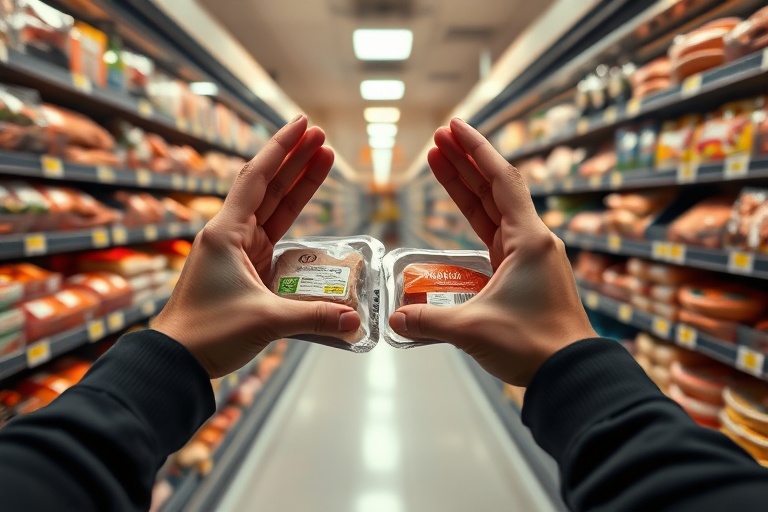
Standing in the grocery store aisle, staring at the vast array of protein options, can be an overwhelming experience. This phenomenon, known as "aisle anxiety," affects millions of shoppers every day, leading to poor decisions, wasted food, and increased stress. The key to navigating this paradox lies in understanding the science behind decision fatigue and applying strategic constraint to your meal planning. In this post, we'll delve into the psychology of protein selection, explore how too many options can hinder rather than help, and introduce the 2+1 strategy as the optimal cognitive solution.
The Science Behind Decision Fatigue
Before we dive into the protein selection paradox, let's understand the broader context of decision fatigue. Cognitive load research shows that decision fatigue leads to a shift toward low-effort, high-structure options under cognitive strain [1]. In other words, the more decisions we make throughout the day, the less capable we become of making good choices. This is particularly relevant in the context of grocery shopping, where individuals make dozens to hundreds of food choices daily, depleting cognitive resources [1].
The Protein Selection Paradox
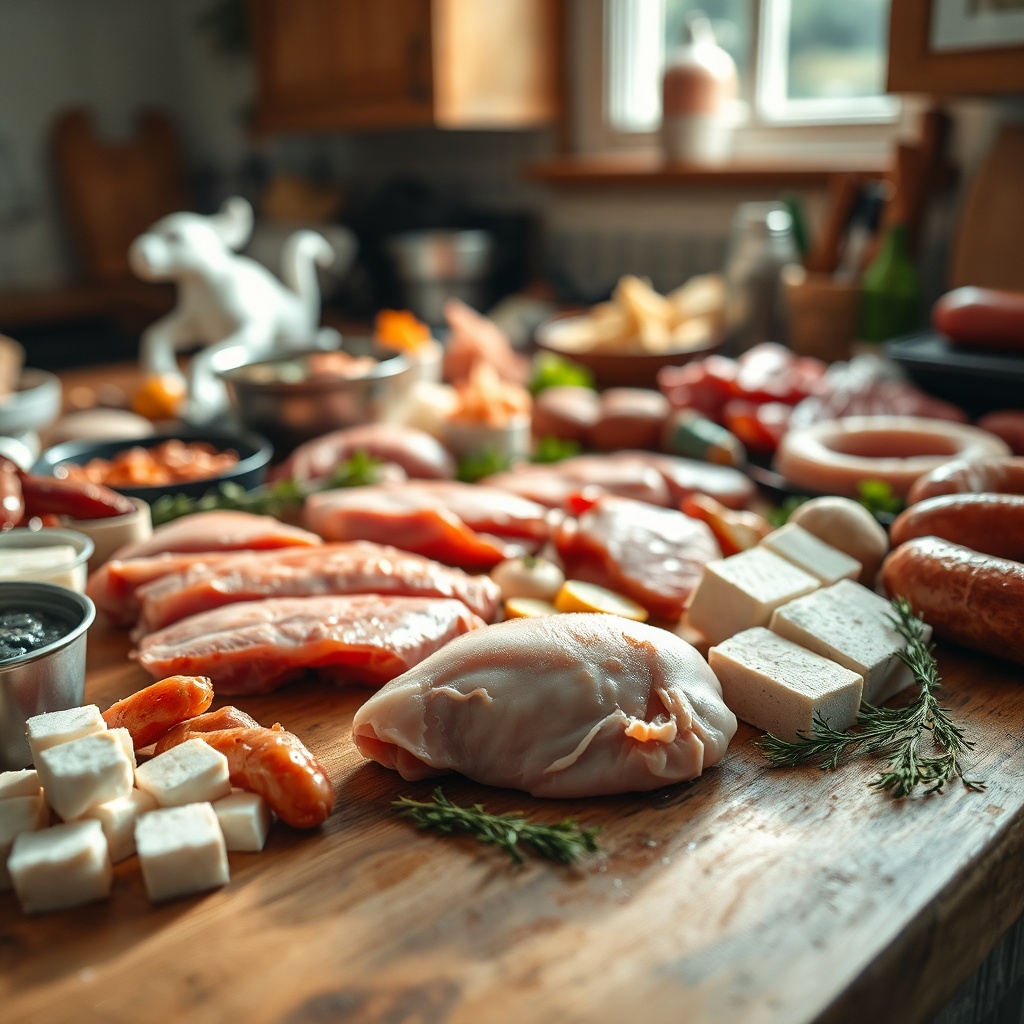
Now, let's zoom in on the specific challenge of protein selection. With countless options available—from chicken and beef to pork, fish, tofu, and beyond—consumers believe they want maximum variety. However, too many protein options actually demotivate purchasing decisions, increase food waste through indecision, and make meal planning more stressful. This is the protein selection paradox: while variety is desirable, too much of it can be cognitively taxing and counterproductive.
Aisle Anxiety: A Real Phenomenon
The term "aisle anxiety" was coined to describe the real phenomenon affecting millions of shoppers every day [2]. It's caused by too many choices, unclear labels, and the pressure to make healthy, budget-friendly purchases. The average American makes about 50 decisions a day, and a significant portion of those happen in grocery stores [2]. This validates the need for a system that reduces protein decisions, directly addressing a documented consumer stressor.
The Iyengar Jam Experiment: Too Much of a Good Thing
To illustrate the protein selection paradox, consider the classic Iyengar jam experiment [3]. Shoppers were presented with either 24 or 6 varieties of jam. While 60% of shoppers sampled the 24 varieties, only 3% purchased. In contrast, 40% sampled the 6 varieties, but 30% purchased. This 10x difference in conversion demonstrates why limiting protein options can actually increase the likelihood of successful meal execution.
The 2+1 Strategy: Strategic Constraint for Optimal Protein Selection
Given the cognitive burden of protein selection, how can we optimize our meal planning to reduce decision fatigue without sacrificing variety? The 2+1 strategy provides the optimal cognitive solution. By planning around two fresh core proteins plus one freezer-breaker, you create a balance between constraint and variety, reducing aisle anxiety and promoting efficient, enjoyable meal planning.
How the 2+1 Strategy Works
The 2+1 strategy operates on two key principles:
-
Strategic constraint: By limiting your fresh protein options to two, you reduce cognitive load at the grocery store, making decisions easier and more efficient.
-
Built-in variety: The freezer-breaker ensures that you still have variety in your meal plan, preventing boredom and promoting flexibility.
The 2+1 Strategy in Action
Let's break down how the 2+1 strategy works in practice:
Fresh Proteins (2)
-
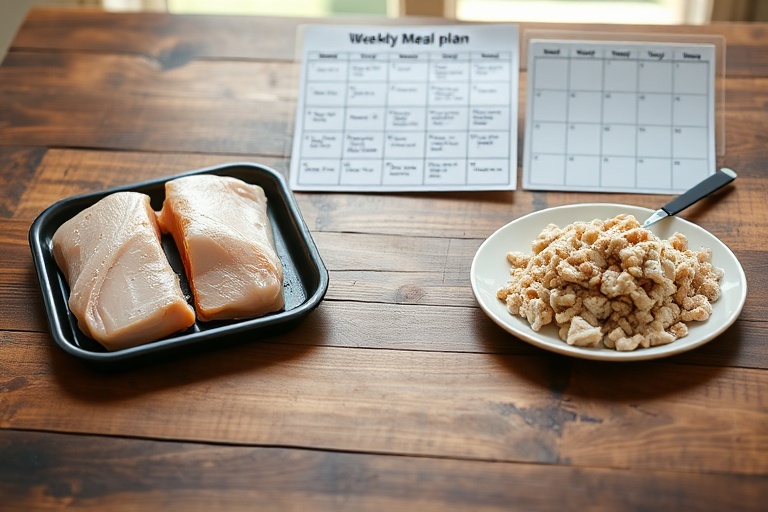
Chicken (Monday & Wednesday): Versatile and affordable, chicken is an excellent choice for your fresh proteins. It can be grilled, baked, or stir-fried, providing a wide range of meal options.
-
Salmon (Tuesday & Thursday): Rich in omega-3 fatty acids, salmon is a healthy and delicious choice. It pairs well with various sides and can be cooked in numerous ways.
Freezer-Breaker (1)
- Ground turkey (Friday): Having a freezer-breaker like ground turkey ensures that you have a backup option for nights when you're short on time or inspiration. It can be used in various dishes, from tacos to Bolognese, providing built-in variety.
Key Takeaway
"The 2+1 strategy is not about limiting your meal options; it's about optimizing your decision-making process. By strategically constraining your fresh protein choices and building in variety through a freezer-breaker, you can reduce aisle anxiety, promote efficient meal planning, and enjoy a wider range of meals."
Implementing the 2+1 Strategy
Now that you understand the science behind the protein selection paradox and the 2+1 strategy, let's discuss how to implement this approach in your meal planning.
Step 1: Identify Your Core Proteins
Choose two fresh proteins that you enjoy and that offer a range of meal options. Consider factors like cost, availability, and nutritional value when making your selection.
Step 2: Select a Freezer-Breaker
Pick a versatile protein that you can keep in your freezer for backup. Ground turkey, frozen shrimp, or even a bag of mixed vegetables can serve this purpose.
Step 3: Plan Your Meals
Using your chosen proteins, plan your meals for the week. Don't forget to consider sides, sauces, and seasonings to maximize variety.
Step 4: Grocery Shop Efficiently
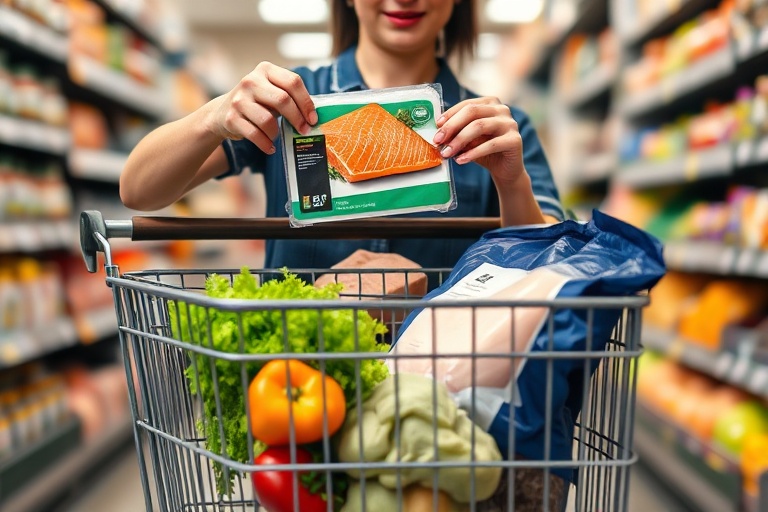
With your 2+1 strategy in place, you can navigate the grocery store with confidence. Stick to your plan, and you'll reduce aisle anxiety and make efficient decisions.
Conclusion
The protein selection paradox highlights the cognitive challenge of choosing between countless protein options. By understanding the science behind decision fatigue and implementing the 2+1 strategy, you can optimize your meal planning, reduce stress, and enjoy a wider range of meals. So, the next time you find yourself overwhelmed in the grocery store aisle, remember the power of strategic constraint and the 2+1 strategy.
Sources
[1] Decision fatigue leads to a shift toward low-effort, high-structure options under cognitive strain
[2] Aisle anxiety is real, and it's affecting how you shop
[3] Choice overload and analysis paralysis