
The Decision Architecture Paradox Why Structured Meal Planning Systems Fail And How The 2 Plus 1 Strategy Succeeds Where Others Dont
Discover why traditional meal plans fail and how the 2+1 Strategy overcomes decision fatigue, boosts flexibility, and cuts food waste with structured simplicity.
The Decision Architecture Paradox: Why Structured Meal Planning Systems Fail (And How the 2+1 Strategy Succeeds Where Others Don't)
Meal planning is a cornerstone of efficient home cooking, yet many systems fall short under real-world pressure. To understand why, let's explore the psychological and logistical reasons behind the collapse of traditional meal planning methodologies and how the 2+1 Strategy stands out as a sustainable solution.
The Psychological Burden of Traditional Meal Planning
Decision Fatigue: The Enemy of Evening Meals
Planning meals for the week might seem straightforward, but it's not immune to the psychological phenomenon of decision fatigue. This occurs when our brain's decision-making capacity depletes over the day, leading to poorer choices and increased impulsivity [1].
Pro Tip: Schedule your meal planning for the morning or early afternoon when your decision-making faculties are at their peak.
The Inspiration Trap and Unrealistic Expectations
Meal planning often starts with great intentions but falters due to unrealistic expectations and the inspiration trap. Pinterest-perfect meals and aspirational cookbooks can set us up for failure by promising more than they can deliver [2].

The Logistical Challenges of Rigid Meal Planning
Over-Complicated Routines and Lack of Flexibility
Traditional meal planning systems often fall short due to their lack of flexibility. Life happens, and rigid plans can't accommodate unexpected events like sick days, late meetings, or impromptu social invitations.
The Batch Cooking Conundrum
Batch cooking, a staple of many meal planning systems, can backfire due to cognitive overload. Having too many options can paradoxically make it harder to decide what to cook, leading to wasted ingredients and increased food waste [3].
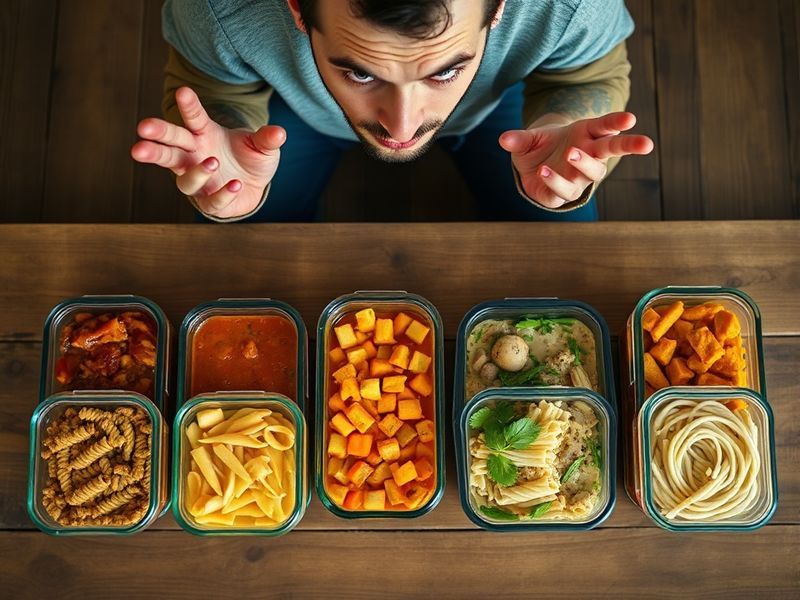
The 2+1 Strategy: A Resilient Meal Planning Approach
The Science Behind Structured Flexibility
The 2+1 Strategy addresses these challenges by embracing structured flexibility. By planning around two fresh core proteins and one freezer-breaker, this approach reduces cognitive load while maintaining variety [4].
Reducing Food Waste with Strategic Inventory Management
The 2+1 Strategy's balanced approach also reduces food waste by promoting strategic inventory management. By incorporating freezer-breakers, you ensure that perishable ingredients are used before they spoil.
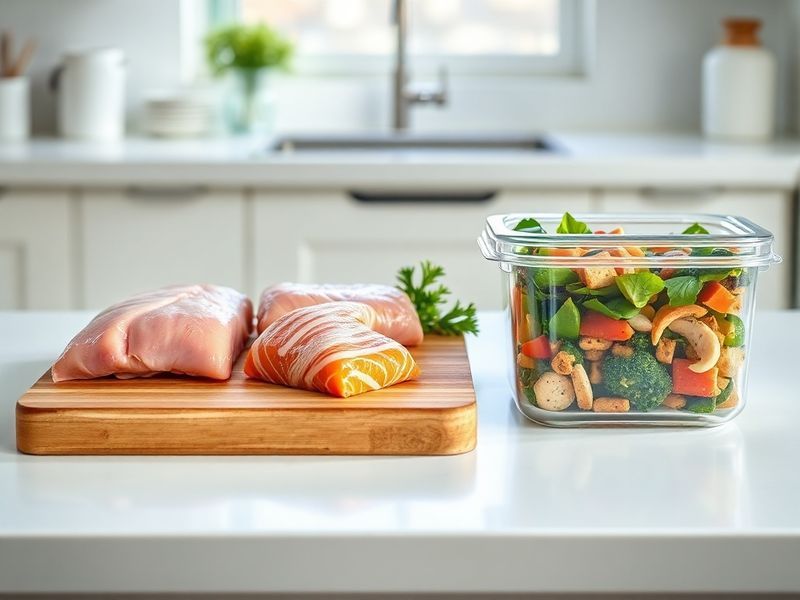
Industrial Efficiency in the Home Kitchen
Lessons from the Pros: The Power of the Freezer
Industrial kitchens rely on flash freezing to preserve food quality and reduce waste. By embracing the freezer as a strategic tool, home cooks can adopt these same principles, ensuring that nothing goes to waste [5].
Key Takeaways
-
Traditional meal planning systems often fail due to psychological (decision fatigue, unrealistic expectations) and logistical (lack of flexibility, batch cooking conundrum) challenges.
-
The 2+1 Strategy stands out as a resilient meal planning approach that reduces cognitive load, promotes flexibility, and reduces food waste.
-
Embracing the freezer as a strategic tool, inspired by industrial kitchens, further enhances the sustainability and efficiency of home cooking.
Sources
[1] Mason, L. (2025). The Neuroscience of Decision Fatigue: Why Choosing Dinner Feels Impossible Sometimes. https://masonlai.com/2025/10/26/the-neuroscience-of-decision-fatigue-why-choosing-dinner-feels-impossible-sometimes/
[2] EasiDish. (2026). Why Meal Planning Systems Fail. https://easidish.com/why-meal-planning-systems-fail
[3] IdealFreezer. (2025). How Flash Freezer Preserves Food Nutrition. https://www.idealfreezer.com/blog/how-flash-freezer-preserves-food-nutrition334
[4] USDA. (n.d.). Food Loss and Waste. https://www.usda.gov/about-food/food-safety/food-loss-and-waste