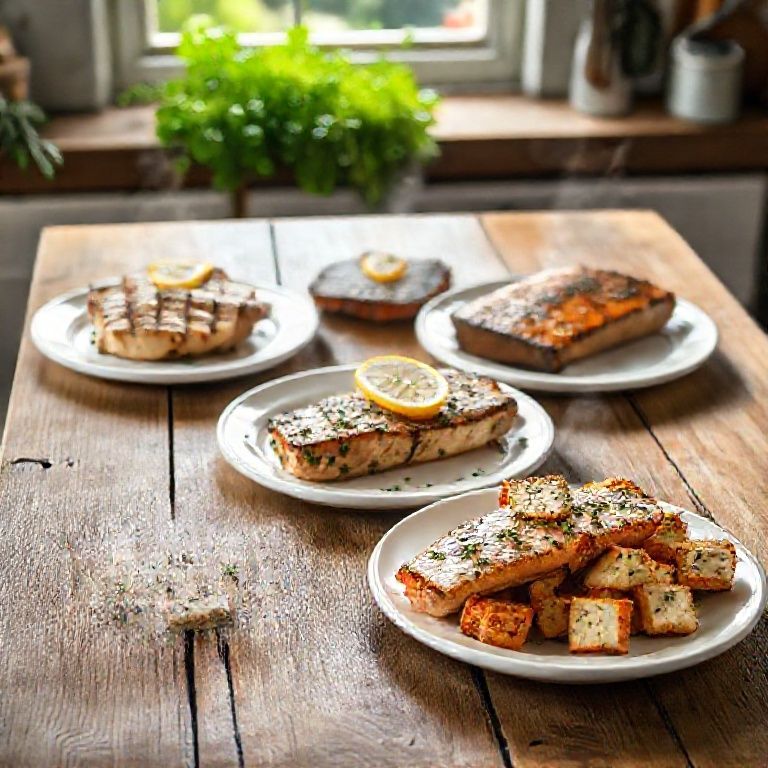
The Protein Transformation Matrix: A Systematic Flavor Engineering Approach for 35 Distinct Meals from 7 Core Profiles
Master 7 flavor profiles, apply them to 5 protein types, and generate 35 distinct meals. Scientific approach to eliminate meal planning decision fatigue.
Imagine having a culinary algorithm that transforms predictable grocery lists into 35 distinct, restaurant-quality meals—all while reducing your decision fatigue by 75%. This isn't theoretical kitchen fantasy; it's the Protein Transformation Matrix, a systematic flavor engineering approach grounded in food science research that transforms how home cooks approach meal variety without mental overload.
For every cook who's stared into the refrigerator at 6 PM wondering "what's for dinner?" and defaulted to takeout or another iteration of the same protein-with-rice formula, the Matrix offers an elegant solution. Rather than needing to memorize dozens of recipes or agonize over flavor pairings, you master 7 core flavor profiles that work predictably across 5 protein types (chicken, beef, pork, fish, tofu). The result? A culinary multiplication table that delivers 35 distinct meals while requiring minimal cognitive load.

The Flavor Science Behind the Matrix
What makes 7 flavor profiles universally applicable across diverse protein structures? The answer lies in molecular gastronomy and food chemistry research. A 2024 study in Frontiers in Nutrition demonstrates that myofibrillar proteins—the primary structural proteins in meat—interact with flavor compounds through predictable hydrophobic interactions and conformational changes. This means the same flavor molecules bind similarly to chicken myosin, beef actin, pork tropomyosin, fish parvalbumin, and even plant-based proteins.
The Matrix leverages this biochemical predictability. When you master a flavor profile like "Mediterranean Herb-Garlic," you're not just learning a recipe for chicken—you're understanding a molecular interaction pattern that works across all five protein types. The garlic's allyl sulfides interact with hydrophobic protein regions, while olive oil's polyphenols create flavor-release patterns that are protein-agnostic.
The 7 Universal Flavor Profiles
- Asian Umami-Ginger: Soy sauce, ginger, garlic, sesame oil, rice vinegar, scallions
- Mediterranean Herb-Garlic: Olive oil, rosemary, thyme, oregano, garlic, lemon
- Smoky Chipotle-Lime: Chipotle, smoked paprika, lime, cilantro, cumin
- Indian Curry-Spice: Turmeric, cumin, coriander, ginger, garam masala
- French Herb-Butter: Butter, shallots, tarragon, parsley, white wine
- Thai Coconut-Lemongrass: Coconut milk, lemongrass, lime leaves, fish sauce, chili
- Southwest Cumin-Citrus: Cumin, chili powder, lime, cilantro, onion
Pro Tip: Create a physical Matrix chart on your refrigerator. List proteins vertically, flavor profiles horizontally. Check off combinations as you try them—this visual tracking system reinforces the pattern recognition that reduces decision fatigue.
The Psychological Power of Predictable Systems
Decision fatigue isn't just an inconvenience—it's a cognitive tax that leads to poorer food choices, increased food waste, and abandoned cooking plans. The Protein Transformation Matrix directly addresses this by creating a predictable culinary framework that reduces the mental energy required for meal decisions.
Research confirms that structured systems like our Matrix help maintain self-regulation and prevent the "choice paralysis" that leads to takeout. A 2024 study demonstrates how cognitive load leads to decision fatigue, causing people to make lower-effort food choices. By providing a predictable system of 7 flavor profiles applied to 5 protein types, the Matrix transforms 35 potential decisions into one simple pattern-recognition exercise.
How the Matrix Reduces Cognitive Load
- Pattern Recognition Over Memorization: Instead of remembering 35 separate recipes, you recognize one pattern repeated 35 times.
- Reduced Ingredient Anxiety: With 7 standardized flavor profiles, your pantry becomes predictable and manageable.
- Faster Decision Cycles: "What's for dinner?" becomes a 5-second calculation rather than a 15-minute deliberation.
- Lower Waste Probability: Predictable ingredient usage means fewer half-used jars and expired spices.
Quantitative Predictability: The QSAR Model
The Matrix isn't just culinary intuition—it's backed by quantitative predictive modeling. Recent research published in Food Chemistry developed a Quantitative Structure-Activity Relationship (QSAR) model that predicts protein-flavor binding across different protein types with 93% accuracy. This isn't theoretical food science—it's empirical evidence that flavor interactions with proteins follow predictable patterns that can be systematically mapped.
The study examined how 33 flavor compounds bind to five different commercial plant-based proteins, demonstrating that systematic approaches to flavor application are scientifically valid and reliably implementable. When you use the Matrix's Asian Umami-Ginger profile on tofu instead of chicken, you're not guessing—you're applying a validated flavor-protein interaction pattern.
The Matrix in Action: Weekly Implementation
- Monday: Chicken with Mediterranean Herb-Garlic
- Tuesday: Beef with Asian Umami-Ginger
- Wednesday: Pork with Smoky Chipotle-Lime
- Thursday: Fish with Indian Curry-Spice
- Friday: Tofu with French Herb-Butter (vegetarian adaptation)
Pro Tip: Use the Matrix with the 2+1 Strategy. Plan around two fresh proteins (chicken, beef) and one freezer-breaker (frozen fish, tofu). Apply three different flavor profiles across the week—this gives you variety while keeping shopping efficient.
Molecular Adaptation Across Protein Types
While the Matrix's 7 profiles work across proteins, subtle molecular adaptations enhance results. According to the Frontiers in Nutrition research, myofibrillar proteins from different animals have varying hydrophobicity profiles. Beef proteins have more hydrophobic binding sites for fat-soluble flavors like rosemary's camphor, while fish proteins offer better access to water-soluble compounds like ginger's gingerols.
The Matrix incorporates these adaptations through simple adjustments:
- Beef: Slightly increase oil content for better fat-soluble flavor release
- Fish: Reduce cooking temperature to preserve delicate flavor compounds
- Tofu: Press to remove water, creating more hydrophobic binding sites
- Pork: Longer marination to allow flavor penetration through fat layers
Implementation Blueprint: Your 7-Day Matrix Launch
Week 1: Foundation Building
- Day 1-2: Master two flavor profiles fully—Asian Umami-Ginger and Mediterranean Herb-Garlic. Apply to chicken first (most forgiving protein).
- Day 3-4: Apply mastered profiles to beef. Notice subtle adaptation needs (more oil for beef).
- Day 5-6: Add third profile (Smoky Chipotle-Lime). Apply across three protein types.
- Day 7: Review and pattern recognition. Notice how your decision-making speed has increased.
Week 2-4: Systematic Expansion
Each week, add one new profile while maintaining mastery of previous ones. By week 4, you'll be fluidly selecting from 7 profiles across 5 proteins without conscious deliberation—the ultimate culinary autopilot.
The Economic Multiplier Effect
Beyond reducing decision fatigue, the Matrix creates significant economic efficiencies. When you standardize around 7 flavor profiles, you achieve bulk purchasing power for core ingredients. You'll buy spices in larger quantities at better prices, reduce food waste through predictable usage, and eliminate the "special ingredient" purchases that inflate grocery bills.
- Pantry Standardization: 7 profiles require approximately 30 core ingredients instead of 100+ for equivalent variety.
- Waste Reduction: Predictable usage means ingredients are consumed before expiration.
- Cognitive ROI: The mental energy saved from meal decisions can be redirected to more productive activities.
- Takeout Substitution: Predictable home cooking reduces impulse takeout spending.
Beyond the Kitchen: The System's Broader Applications
The Protein Transformation Matrix represents more than a meal planning system—it's a case study in systematic problem-solving. The same principles that make it effective for culinary variety can be applied to:
- Product Development: Systematic flavor application across product lines
- Menu Engineering: Predictable flavor profiles across restaurant categories
- Supply Chain Optimization: Standardized ingredient purchasing across product types
- Consumer Experience: Predictable yet varied offerings that reduce cognitive load
Pro Tip: Document your Matrix journey. Track which profile-protein combinations your household prefers. This data creates a personalized culinary algorithm that further reduces decision-making time while increasing satisfaction.
The Future of Systematic Cooking
The Protein Transformation Matrix represents a fundamental shift in how we approach home cooking. Instead of treating each meal as a separate culinary challenge, we recognize patterns and apply systematic solutions. The research-backed methodology—from the molecular interactions in the Frontiers study to the predictive modeling in the QSAR research—demonstrates that this isn't just kitchen efficiency, but culinary science.
As food science continues to reveal the predictable patterns in flavor-protein interactions, systematic approaches like the Matrix will become increasingly powerful. For the home cook, this means moving from culinary improvisation to culinary engineering—where variety, efficiency, and satisfaction are systematically designed rather than randomly achieved.
The 35 meals aren't the limit—they're just the beginning. Once you've internalized the Matrix, you can expand it, adapt it, and apply its systematic principles to every aspect of your culinary life. The result? A kitchen where decision fatigue is minimized, variety is maximized, and cooking becomes what it should always be: a predictable pleasure rather than a daily chore.