
Optimize Your Circadian Clock Structured Evening Meal Planning For Better Health And Less Stress
Learn how structured evening meal planning aligns with your circadian rhythm for improved metabolism, reduced decision fatigue, and less daily stress.
Optimize Your Circadian Clock: Structured Evening Meal Planning for Better Health and Less Stress
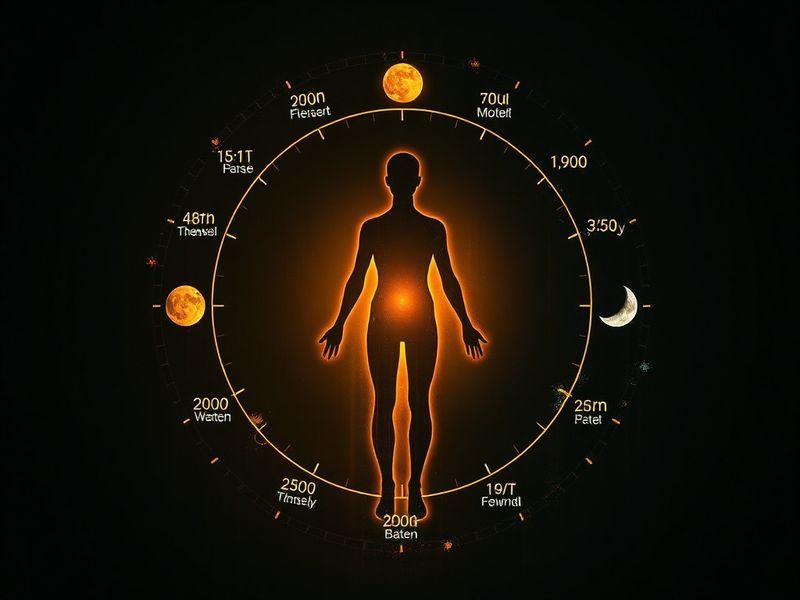
The Chrononutrition-Meal Timing Paradox: Why Evening Meal Planning Matters More Than You Think
In the grand symphony of our bodies, the circadian clock conducts a daily rhythm that influences everything from metabolism to mental health. Yet, our modern lifestyles often disrupt this natural harmony, particularly when it comes to our evening meals. This article explores the fascinating intersection of chrononutrition (the study of how meal timing affects metabolism) and cognitive decision fatigue, revealing how structured evening meal planning can optimize your circadian metabolism while reducing stress.
Circadian Nutrition: The Science Behind Why Timing Matters
Our bodies operate on a 24-hour internal clock, regulated by the master circadian pacemaker in our brains. This clock influences hormone release, cell regeneration, and even how our body uses nutrients. A comprehensive 2025 review from the Journal of Health, Population and Nutrition establishes that eating during the biological night (misaligned with our circadian rhythms) favors nutrient storage over utilization, reduces insulin sensitivity, and increases obesity risk Source.

Late-Night Eating: A Double-Edged Sword
Late-night eating leads to reduced diet-induced thermogenesis and greater postprandial glucose excursions compared to identical morning meals. It also impairs glucose tolerance and insulin secretion, particularly in genetically susceptible individuals Source. Moreover, it disrupts our sleep-wake cycle, as explained by endocrinologist Daisy Duan from Johns Hopkins Medicine: "Eating late can disrupt your body's internal clock, leading to metabolic changes that may increase the risk of obesity, diabetes, and other health problems." Source
Decision Fatigue: The Mental Strain of Evening Meal Planning
While our biological clocks favor earlier eating for optimal metabolic health, contemporary lifestyles push dinner later, creating both metabolic inefficiency and cognitive strain. A narrative review on decision fatigue and food choices reveals that evening decisions about dinner create significant cognitive strain due to accumulated decision fatigue throughout the day. The "What's for dinner?" question becomes increasingly difficult to answer as cognitive resources become depleted Source.

Meal Prep Burnout vs. Structured Flexibility
Traditional meal prep systems often fail due to rigidity and monotony, while unstructured approaches increase decision fatigue. The optimal solution combines structured flexibility—enough planning to reduce cognitive load but sufficient variety to prevent burnout. A 2025 article on avoiding meal prep burnout highlights the importance of balance and adaptability in meal planning Source.
The 2+1 Strategy: A Circadian-Optimized Approach to Evening Meals
The 2+1 Strategy's two fresh proteins plus one freezer protein creates a circadian-optimized approach by:
-
Allowing earlier dinner preparation: By having pre-planned meals, you can start cooking earlier, reducing the temptation to eat late.
-
Minimizing evening decision fatigue: With pre-determined options, you'll spend less time agonizing over what to cook.
-
Aligning protein choices with daily metabolic efficiency patterns: By strategically choosing proteins, you can support your body's natural metabolic rhythms.
-
Creating a predictable rhythm that supports circadian entrainment: Establishing a consistent meal routine helps reinforce your body's internal clock.

Key Takeaway: Plan Ahead, Eat Early, Reduce Stress
"By structuring your evening meals with a system like the 2+1 Strategy, you're not just making dinner; you're optimizing your circadian metabolism and reducing decision fatigue. It's a win-win for both your body and your mind."
Meal Timing and Metabolism: The Science Behind the Strategy
Research from the International Journal of Food Microbiology Research further reinforces the metabolic arguments, showing how meal timing impacts metabolism and disease risk Source. By aligning your meal times with your body's natural rhythms, you're supporting overall metabolic health and reducing the risk of chronic diseases.