The Second Night Paradox Why Day Two Meals Fail And Secretly Win
Learn why day-two meals can win: resistant starch, warmed-over flavor science, safe cooling tips, and meal-planning strategies that cut waste.
The Second-Night Paradox: Why Day-Two Meals Fail (and Secretly Win)
**
Introduction
In the kitchen, Tuesday's dinner is often Monday's afterthought. We cook, we eat, we refrigerate, and we reheat—yet we approach that second-night meal with less enthusiasm than its predecessor. But what if the very changes that make leftovers unappealing also make them nutritionally superior? And what if planning around these changes could save us money and reduce waste? Welcome to the paradox of the day-two meal.
Did you know? Americans waste an average of 6.2 cups of edible food weekly, with those who frequently throw away unwanted leftovers wasting about 12 cups each week. That's nearly four times as much as those who infrequently toss leftovers. Source
The Science of Change
When we cook and then chill food, several chemical and physical changes occur. Let's explore the three most significant ones.
Starch Retrogradation
**
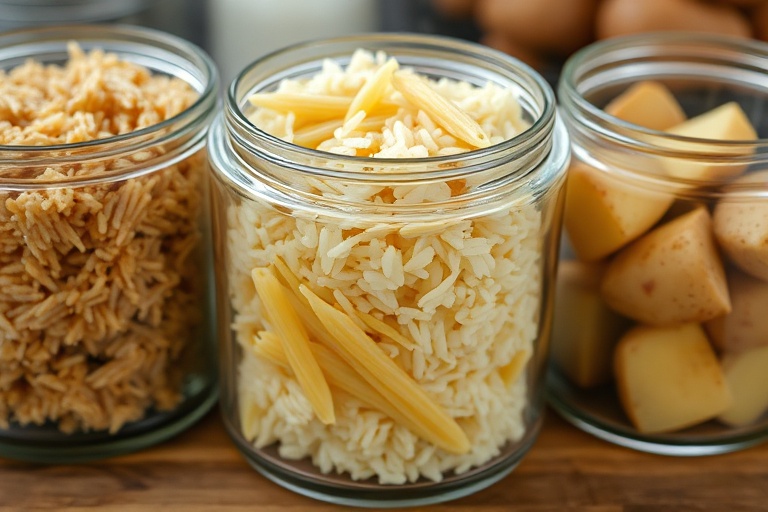
Starch, found in foods like pasta, rice, and potatoes, undergoes a process called retrogradation when cooled. Amylose, the straight-chain fraction of starch, reassociates into tight crystalline regions that digestive enzymes can't grip, forming what's known as resistant starch (RS). This RS passes through our small intestine undigested, feeding our beneficial gut bacteria and blunting post-meal glucose excursions. A study published in Food Reviews International found that longer cooling times build more structured resistant starch bonds, enhancing this effect. Source
Lipid Oxidation and Warmed-Over Flavor
**
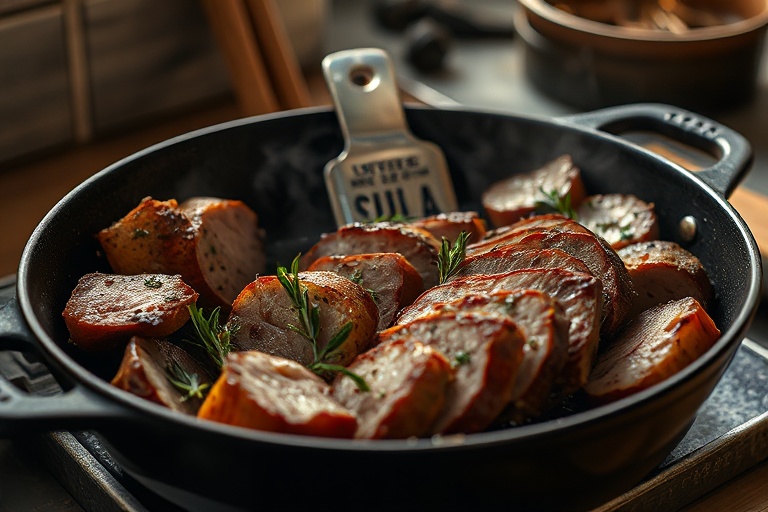
Reheating refrigerated cooked meat drives lipid oxidation, producing secondary oxidation products that give off-notes consumers describe as "rancid," "stale," "wet cardboard," or "bitter/sour." This phenomenon, historically nicknamed "warmed-over flavor" (WOF), is caused by fat oxidation, which is the main pathway for WOF formation. A study published in PLoS ONE found that WOF was evident in prepared pork products after 48 hours of storage at 4°C, with TVB-N and TBARS rising significantly while pH and sensory scores decreased. Source
Moisture Migration
As food cools, moisture migrates, causing textures to change. This is why pasta can become gummy, and rice can clump together. While these changes can affect palatability, they don't necessarily make food unsafe to eat.
The Sensory Surprise
Here's where things get interesting. A blinded sensory study out of Deakin University found that while tasters could reliably tell a day-old reheated dish from a fresh one, that perceptible difference almost never translated into lower liking. In fact, for one matrix (butter chicken), the day-old version was actually preferred above chance. Source
Pro Tip: Embrace the changes. Understand that your leftovers are different, not worse. Plan your meals around dishes that reheat well, and you'll find that Tuesday's dinner can be just as enjoyable—and nutritious—as Monday's.
The Metabolic Gift
The cooling step that creates the "reheated" signature is doing something metabolically beneficial. As mentioned earlier, cooled-then-reheated pasta shows roughly a 60% resistant starch increase, with cooled-then-reheated rice and potatoes exhibiting similar benefits. A randomized crossover trial found that cooled-then-reheated pasta blunted post-meal glucose excursions in healthy participants. Source
The Safety Protocol
While the changes that occur during cooling and reheating are generally beneficial, there is one real risk to be aware of: the growth of Bacillus cereus spores, which can survive cooking and germinate during slow cooling. However, this risk can be mitigated with a proper cooling protocol. A study published in Food Protection Transactions found that a refrigerator combined with an ice-water bath satisfied FDA Food Code cooling requirements for a steamed rice product. Source
Key Takeaway: Cool your leftovers quickly and safely. Spread them thin, get them cold fast, one reheat, eat within 2 days.
The 2+1 Strategy
MealSolved's 2+1 strategy is designed to optimize your kitchen ecosystem, minimizing waste and maximizing flavor. Here's how you can apply the insights from this article to your 2+1 planning:
-
Plan your fresh core proteins around saucy, spiced, emulsified dishes that reheat well. These dishes are rich in fat, emulsifiers, and antioxidants, which help resist warmed-over flavor.
-
Pre-cook your starch deliberately for resistant starch. Batch-cooking pasta, rice, or potatoes and chilling them before reheating can increase their resistant starch content by up to 60%.
-
Design your freezer-breaker to absorb the dishes that don't reheat well. Crispy, seared, or dry-heat cooked items are best eaten fresh, so save these for your fresh core proteins.
-
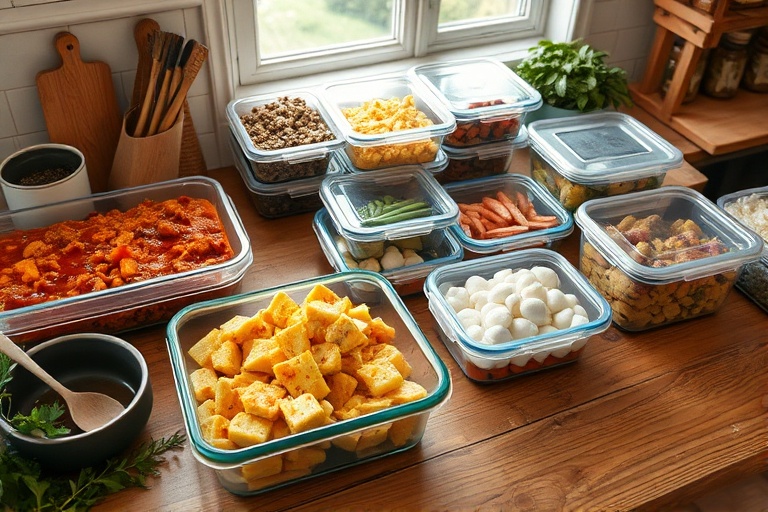
Cool your leftovers safely. Follow the cooling curve to minimize the risk of Bacillus cereus growth.
**
The Reheat Fidelity Scorecard
Here's a simple scorecard to help you plan your reheatable meals:
| Food Type | Reheat Fidelity Score |
|---|---|
| Saucy (curries, chilis, dals, tomato-braise) | High |
| Starchy (pasta, rice, potatoes, beans) | High |
| Spiced | High |
| Crispy (fried foods, roasted vegetables) | Low |
| Seared (grilled meats, pan-seared fish) | Low |
| Leafy (salads, greens) | Low |
| Emplatter-style (charcuterie, antipasto) | Low |
Pro Tip: Aim for a high reheat fidelity score when planning your cook-ahead slots. This will help you maximize flavor and minimize waste.
Conclusion
The day-two meal is a paradox: the very changes that make leftovers unappealing also make them nutritionally superior. By understanding and planning around these changes, we can turn Tuesday's dinner into a win for our wallets, our waistlines, and our taste buds. So go ahead, embrace the second-night paradox. Your kitchen—and your budget—will thank you.
Did you know? By not wasting food, the average American household could save around $1,500 per year. Source
Sources
-
Do Foods Really Taste Better the Next Day? A Blinded Sensory Study of Fresh and Day-Old Foods - Deakin University Centre for Advanced Food Sciences, Melbourne
-
Risk of Bacillus cereus in Relation to Rice and Derivatives - Comprehensive Reviews in Food Science and Food Safety
-
Starch Retrogradation: A Method for Post-Mealtime Blood Sugar Management in Individuals with Diabetes - Clemson University Cooperative Extension
-
The Hidden Danger of Leftover Cooked Rice - Outbreak News Today