The Circular Economy Kitchen Paradox How Strategic Meal Planning Converts Waste Into Household Wealth
Stop wasting food & money. Discover the 2+1 Strategy to transform your kitchen into a circular economy, saving up to $3,000 a year while reducing waste.
The Circular Economy Kitchen Paradox: How Strategic Meal Planning Converts Waste into Household Wealth
**
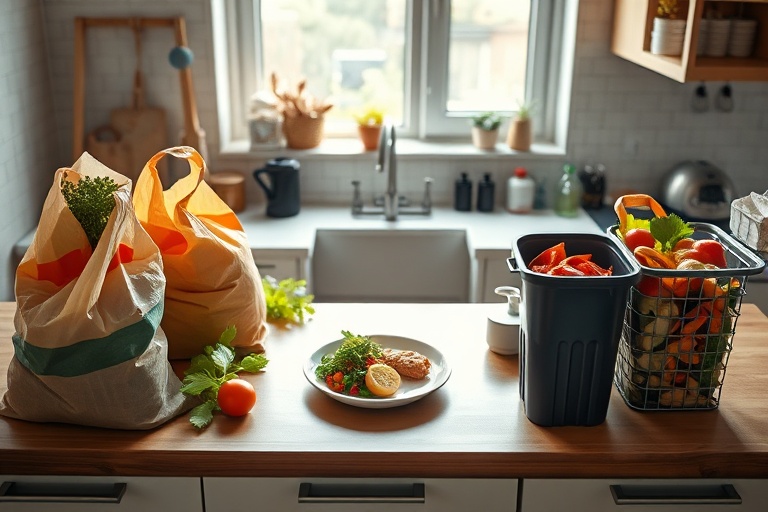
Welcome to the kitchen of the future, where every meal is a step towards sustainability and savings. Today, we're diving into the Circular Economy Kitchen Paradox—the fascinating contradiction between our linear food consumption patterns and the natural circularity of household resource management. By embracing strategic meal planning, we can transform our kitchens into miniature circular economies, optimizing protein rotation, inventory flow, and waste conversion. Let's explore how the 2+1 Strategy can help you save money, reduce waste, and make your kitchen a model of efficiency.
The Linear Kitchen: A System Out of Balance
Before we dive into the solution, let's understand the problem. Our kitchens are stuck in a linear "buy-use-discard" pattern, where food flows in, gets consumed, and then becomes waste. This linear model is inefficient, expensive, and environmentally damaging. According to the EPA, American households throw away nearly $3,000 annually on food waste alone—an alarming figure that underscores the urgent need for change.[1]
The Circular Economy: A New Paradigm
The circular economy offers a radical alternative to this linear model. Instead of a one-way flow, circular systems keep resources in use for as long as possible, extracting the maximum value from them while generating minimal waste.[2] So, how can we apply these principles to our kitchens?
**
The 2+1 Strategy: A Closed-Loop Kitchen
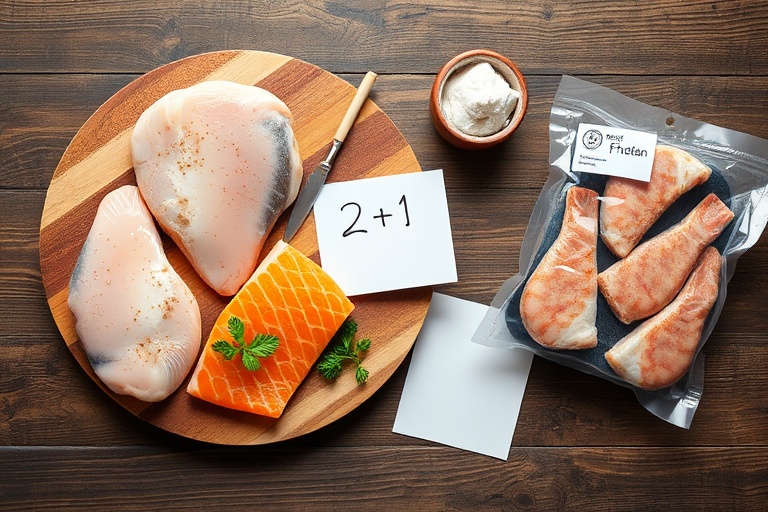
The 2+1 Strategy is a practical way to create a closed-loop system in your kitchen. Here's how it works:
-
Plan around two fresh core proteins: These are the stars of your weekly meals. By choosing two, you ensure variety while keeping shopping efficient.
-
Plus one freezer-breaker: This is your secret weapon against waste. A freezer-stable protein acts as a buffer stock, providing backup meals when life gets busy.
By implementing this strategy, you're creating a miniature circular economy in your kitchen. Here's how:
-
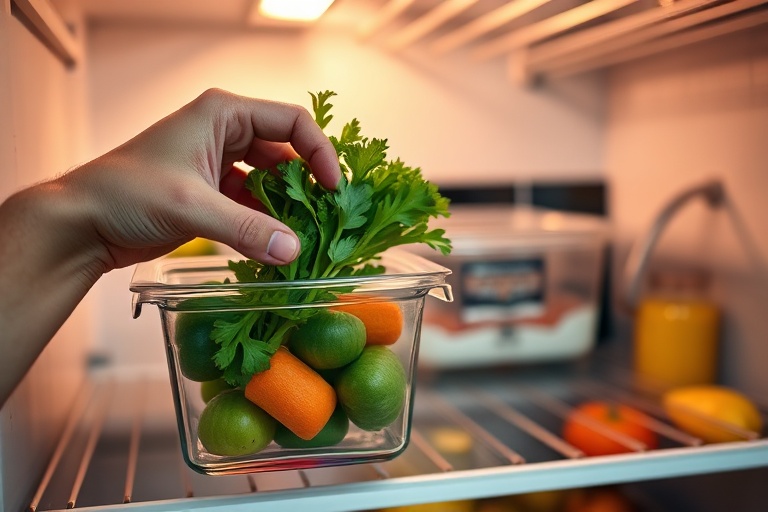
Optimizing protein rotation: By rotating proteins, you ensure that nothing sits too long in your fridge, reducing waste and maintaining freshness.
-
Inventory flow: The 2+1 Strategy helps you manage your inventory like a pro. You know exactly what you have and when to use it, preventing overstock and spoilage.
-
Waste conversion: By strategically planning meals, you're converting what could have been waste into delicious, nutritious meals.
**
Overcoming Psychological Barriers
You might be thinking, "This all makes sense, but I've tried meal planning before, and it didn't stick." The reason might lie in the psychological barriers outlined in a comprehensive systematic review applying the Theory of Planned Behavior to household food waste.[3] The 2+1 Strategy is designed to overcome these barriers by offering a structured but flexible framework that fits into your life, not the other way around.
The Economic Imperative
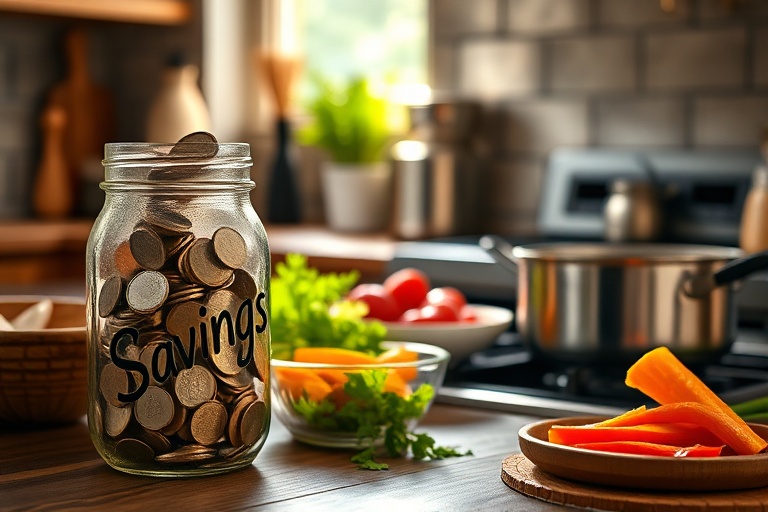
The environmental and ethical arguments for circular kitchens are compelling, but let's not forget the financial incentive. By reducing waste, you're directly putting money back into your pocket. According to the EPA, the average American household could save $2,913 annually by adopting circular kitchen practices.[1]
Key Takeaway: "Every meal planned is a step towards saving money, reducing waste, and creating a more sustainable kitchen."
**
Upstream Effects
The benefits of circular kitchens don't stop at your front door. By reducing demand-side pressures, you're helping to decrease farm-level waste and create a more efficient, sustainable food system.[4] It's a powerful reminder that our individual actions can create systemic change.
Visualizing Your Circular Kitchen
Here's a simple visual representation of what your circular kitchen could look like:

**
Start Your Circular Kitchen Journey Today
Embracing the circular economy in your kitchen might seem like a big change, but it all starts with one meal. By adopting the 2+1 Strategy, you're taking a significant step towards a more sustainable, efficient, and cost-effective kitchen. So, what are you waiting for? Your circular kitchen future is just a meal plan away.
Sources
[1] EPA Updates Data on Cost of Household Food Waste
[2] Circular Economy Principles for Sustainable Food Systems
[3] The Theory of Planned Behavior and Household Food Waste: A Systematic Review
[4] The Problem