
The Cognitive Load Paradox Why Strategic Constraint Liberates Kitchen Creativity
Discover how MealSolved's 2+1 Strategy uses strategic constraint to beat decision fatigue, save money, reduce waste, and unlock true kitchen creativity.
The Cognitive Load Paradox: Why Strategic Constraint Liberates Kitchen Creativity
In the modern kitchen, home cooks face a paradox: the more choices we have, the less creative and more stressed we become. This counterintuitive relationship between structured meal planning and culinary creativity is a phenomenon we'll explore in this post, delving into the science behind decision fatigue, economic pressures, and food waste. We'll then introduce the MealSolved 2+1 Strategy, showing how it transforms kitchen management from a reactive stressor into a proactive creative space, all while protecting your budget and reducing waste.
The Decision Fatigue Dilemma
Imagine this: you're standing in front of the open fridge, staring at shelves filled with ingredients, yet feeling uninspired and overwhelmed. This isn't just you; it's a universal challenge. A 2025 peer-reviewed narrative review in Nutrients revealed that individuals make "hundreds of food-related decisions each day," creating "substantial cognitive load." This constant decision-making can lead to "impulsive and less health-conscious food selections" and increased reliance on convenience foods when our mental resources are depleted.1
Decision fatigue is real, and it's affecting our kitchens. When our cognitive resources become depleted throughout the day, individuals are more likely to rely on automatic, effortless strategies.1 In other words, unstructured meal planning fails because it relies on us making fresh decisions every day, leading to mental exhaustion and poor choices.
The Economic Pressure Cooker
While decision fatigue is a persistent challenge, the economic landscape is shifting as well. A February 2026 FoodNavigator-USA article reported that while food-at-home prices are rising more slowly than food away from home, they're still increasing.2 This widening divide in consumer food costs means many families still feel squeezed compared to pre-pandemic times. With meat prices predicted to rise by 5.5%, strategic meal planning isn't just about nutrition; it's about household economics.
The Waste Conundrum
The final piece of this puzzle is food waste. According to a 2026 food waste statistics compilation, the average household of four throws away about $1,500 worth of food each year.3 That's $1,500 down the drain, not to mention the environmental impact. More than 80% of Americans discard perfectly good, consumable food simply because they misunderstand expiration labels.3 Clearly, we need a better system for managing our kitchens and reducing waste.
The MealSolved 2+1 Strategy: A Path to Culinary Liberation
Enter the MealSolved 2+1 Strategy. This approach adapts industrial efficiency principles to home kitchens, creating a structured yet flexible framework that liberates mental space for culinary innovation while protecting household budgets and reducing food waste.
Industrial Efficiency in the Kitchen
The 2+1 Strategy is rooted in the same principles that make factories run smoothly. A Six Sigma article on home Kanban systems explains how these efficiency methods can make our homes more organized, efficient, and fun.4 By visualizing our inventory, using a pull system for consumption, and systematically rotating ingredients, we can transform our kitchens into well-oiled machines.
The 2+1 System in Action
Here's how the 2+1 Strategy works:
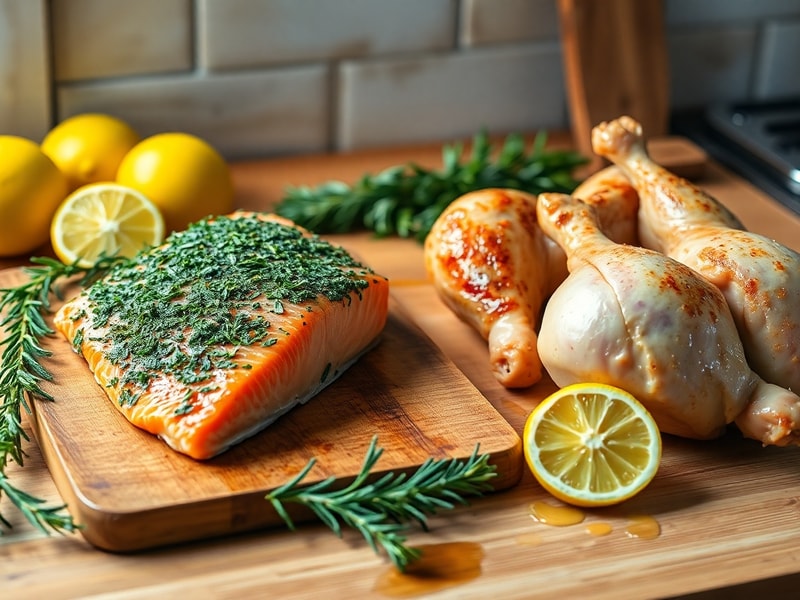
- Plan around two fresh core proteins: These are the stars of your weekly meals. By choosing two, you limit your decisions while still offering variety.
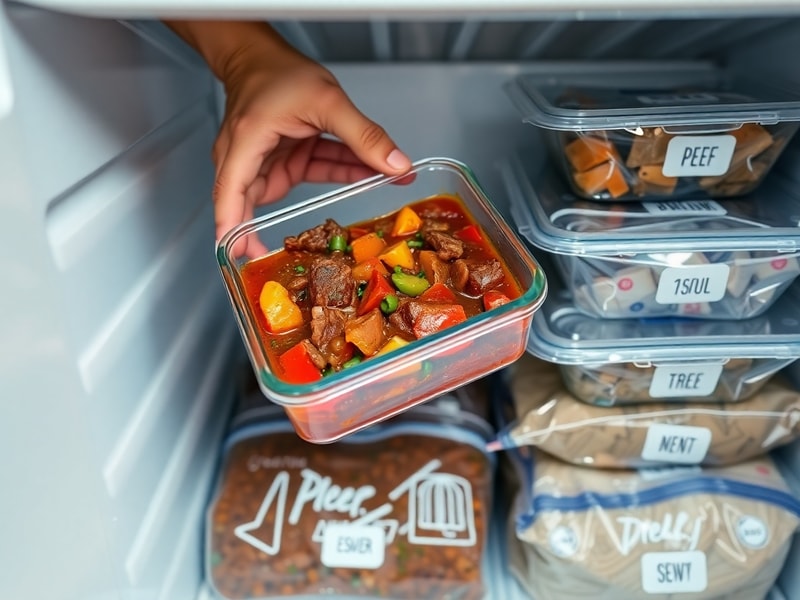
- Add one freezer breaker: This is your strategic backup, ready to step in when fresh supplies run out. It could be a casserole, a stew, or a batch of chili. The freezer breaker ensures you always have a meal ready, preventing last-minute takeout orders.
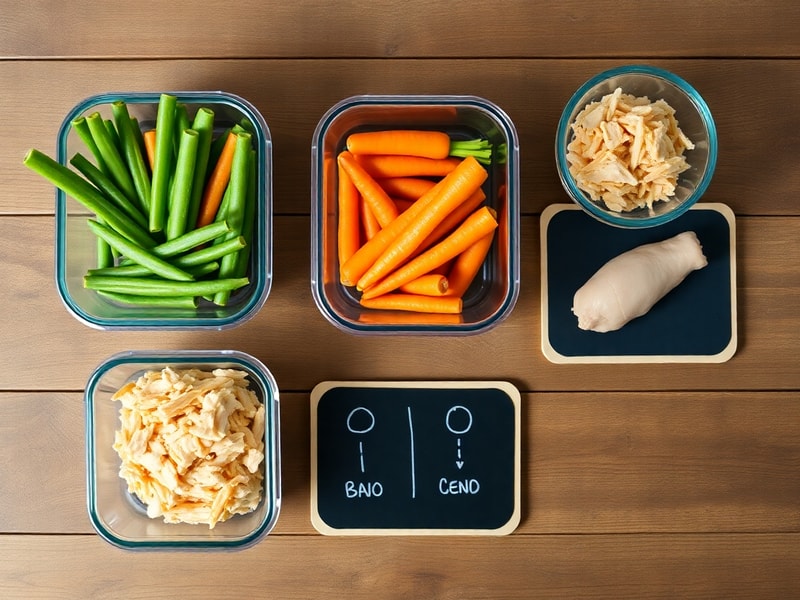
- Rotate and repeat: The 2+1 Strategy isn't just about this week; it's about creating a sustainable kitchen ecosystem. By rotating your core proteins and freezer breakers, you ensure nothing goes to waste, and you maintain a steady stream of meal ideas.
Freezing: A Nutritional Preservation Tool
But what about the nutritional value? A UC Davis study found that the nutritional value of frozen fruits and vegetables are generally equal to – and in some cases better than – their fresh counterparts.5 In fact, freezing has a positive effect on the vitamin E content. So, your freezer breaker isn't a compromise; it's a nutritional powerhouse.
Key Takeaway: Strategic Constraint Liberates Creativity
The MealSolved 2+1 Strategy isn't about limiting your choices; it's about liberating your creativity. By strategically constraining your decisions, you free up mental space for culinary innovation. You also protect your budget from inflationary pressures and reduce food waste through strategic rotation. It's a win-win-win.
So, the next time you find yourself staring into an open fridge, remember the cognitive load paradox. Embrace the strategic constraint of the 2+1 Strategy, and watch your kitchen creativity soar.
Pro Tip: Start small. Try the 2+1 Strategy for just one week. See how it feels to have your meal decisions made for you. Then watch as your creativity blooms in the kitchen.