The GLP-1 Kitchen Revolution: How Ozempic Is Rewriting Meal Planning Economics
Appetite suppression medications are reducing grocery bills 5.3% but creating new challenges in protein optimization, food waste, and meal planning efficiency. Learn the 'Protein-First 2+1 Strategy' for GLP-1 users.
The GLP-1 medication revolution isn't just changing waistlines—it's fundamentally rewriting kitchen economics. As millions adopt Ozempic, Wegovy, and similar appetite-suppressing drugs, grocery shopping patterns are shifting, meal planning needs are evolving, and traditional approaches to home cooking are facing unprecedented challenges. The data is clear: households using GLP-1 medications reduce grocery spending by an average of 5.3% within six months, with higher-income households seeing over 8% reductions according to a Cornell University study.
The Unseen Cost of Appetite Suppression
While the financial savings are undeniable—savory snack purchases drop about 10%, with similar declines in sweets, baked goods, and cookies—this new reality creates hidden costs and complex planning challenges. The biggest risks? Accelerated muscle loss from inadequate protein intake and increased food waste as appetite suppression leads to forgotten perishables.
A 2025 narrative review in Obesity Pillars reveals the critical nutritional challenge: GLP-1 use is associated with reduced consumption of meat (beef, pork, fish) and therefore reduced protein intake, which can accelerate lean body mass loss and increase sarcopenia risk. The review recommends 1-1.5g protein per kg of body weight, with higher targets (1.2-1.5g) for older individuals.
The dilemma is clear: GLP-1 users need less food overall but higher-quality, protein-dense meals—a perfect storm for traditional meal planning systems to fail.
The Three Kitchen Economies of GLP-1 Living
1. The Waste Economy
A 2024 study in Nutrients found that 25% of GLP-1 users report increased food waste, particularly during initial medication phases when nausea is most common. Those experiencing nausea are significantly more likely to waste food, while those who've been on medication longer than a year report less waste—suggesting an adjustment period where kitchen habits need to evolve.
2. The Protein Paradox
The Ohio State University health guidance provides clear targets: at least 60 grams of protein daily to prevent muscle loss for GLP-1 users. But here's the challenge: appetite suppression makes achieving this target difficult through normal eating patterns. Traditional meal planning assumes consistent appetite and portion sizes—assumptions that no longer hold.
3. The Gastrointestinal Balancing Act
Common GLP-1 side effects—nausea, bloating, constipation—require strategic food choices. The Ohio State guide recommends limiting high-fat, spicy, fried foods and prioritizing lean proteins, fiber-rich vegetables, and complex carbohydrates. This isn't just nutrition; it's kitchen logistics engineering.
The Protein-First 2+1 Strategy for GLP-1 Households
Traditional meal planning systems fail GLP-1 users because they're built around assumptions of consistent appetite and traditional portion sizes. The Protein-First 2+1 Strategy adapts our proven framework to medication-affected appetites:
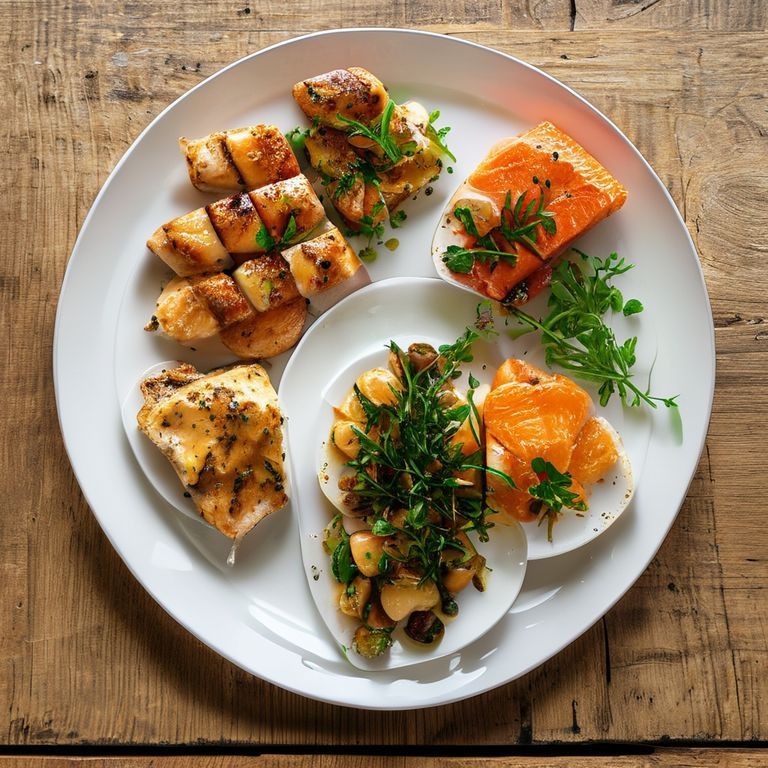
- Two High-Protein Core Meals: Plan around quality protein sources that deliver 30+ grams per serving—think grilled chicken breast, salmon fillets, lean beef strips, or tofu scrambles. These become your non-negotiable anchors.
- One Flexible Freezer-Breaker: This is your adaptation meal for days when appetite is particularly suppressed. Pre-portioned frozen proteins (like individually vacuum-sealed chicken or fish) prevent waste while ensuring protein targets are met even on low-appetite days.
- Strategic Supplementation Buffer: Keep protein shakes, Greek yogurt, or hard-boiled eggs available for when planned meals feel overwhelming but protein needs remain.
The Four Pillars of GLP-1 Meal Planning Efficiency
Pillar 1: Batch Protein Preparation
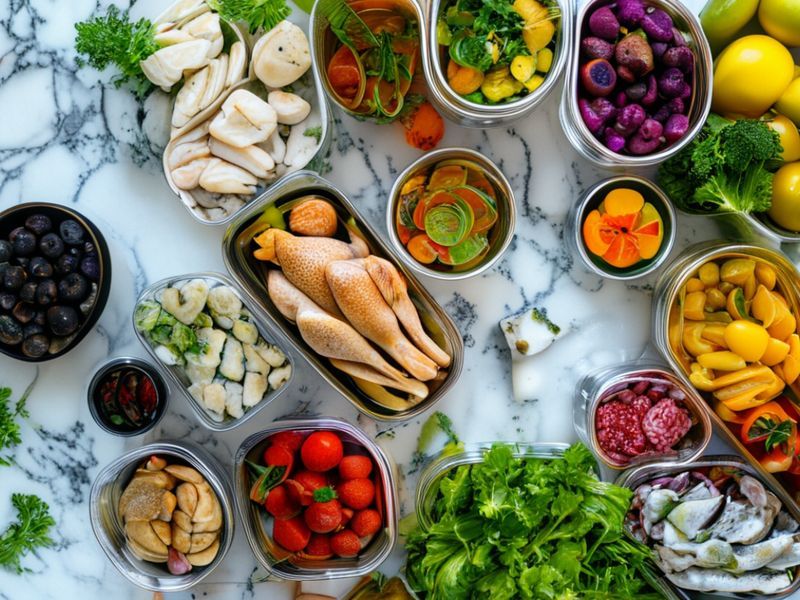
Sunday becomes protein prep day: grill 2 pounds of chicken breast, roast a salmon filet, hard-boil a dozen eggs. Portion into 4-ounce servings (approximately 30g protein each) and refrigerate or freeze. This creates your protein backbone for the week.
Pillar 2: Appetite-Responsive Side Systems
Prepare base grains (quinoa, brown rice) and roast vegetables separately from proteins. This allows portion adjustment based on daily appetite—more veggies on days when carbs feel heavy, more protein when energy needs are high.
Pillar 3: Waste-Averse Shopping Protocol
Research shows GLP-1 users naturally gravitate toward smaller, more intentional purchases. Structure your shopping around the Protein-First 2+1: buy only what you'll use for your two fresh protein meals, rely on freezer staples for the third, and avoid bulk purchases that lead to waste.
Pillar 4: Hydration and Digestive Support
GLP-1 medications can reduce thirst perception. Build hydration into your meal structure: keep water bottles visible, incorporate hydrating foods (cucumbers, watermelon, berries), and schedule fluid intake like medication.
The Financial Mathematics of Medication-Aware Meal Planning
Let's run the numbers on a typical GLP-1 household versus traditional approaches:
- Traditional Unstructured Approach: $150 weekly grocery bill × 5.3% reduction = $7.95 weekly savings. But with 25% increased waste risk, net savings could be negative.
- Protein-First 2+1 Strategy: Targeted $120 weekly protein-focused shopping + $30 supplement buffer = $150 total. With 5.3% medication-driven reduction + 15% waste reduction from planning = $23.85 weekly savings.
- Annual Impact: $23.85 × 52 = $1,240 annual savings while optimizing nutrition and preventing muscle loss.
The most expensive protein isn't steak or salmon—it's the protein you buy but don't eat because appetite suppression caught you off guard. Strategic freezing and portioning turn potential waste into planned flexibility.
Implementation Framework: Your GLP-1 Kitchen Operating System
- Protein Calculation Phase: Calculate your daily protein target (1-1.5g per kg body weight). Divide by 3 meals to get per-meal minimums.
- Weekly Protein Mapping: Plan two fresh protein meals meeting your targets, one freezer-breaker meal using existing stocks.
- Side Strategy Development: Prepare versatile vegetable and grain bases that can scale with appetite fluctuations.
- Hydration Integration: Schedule fluid intake alongside medication timing and meal planning.
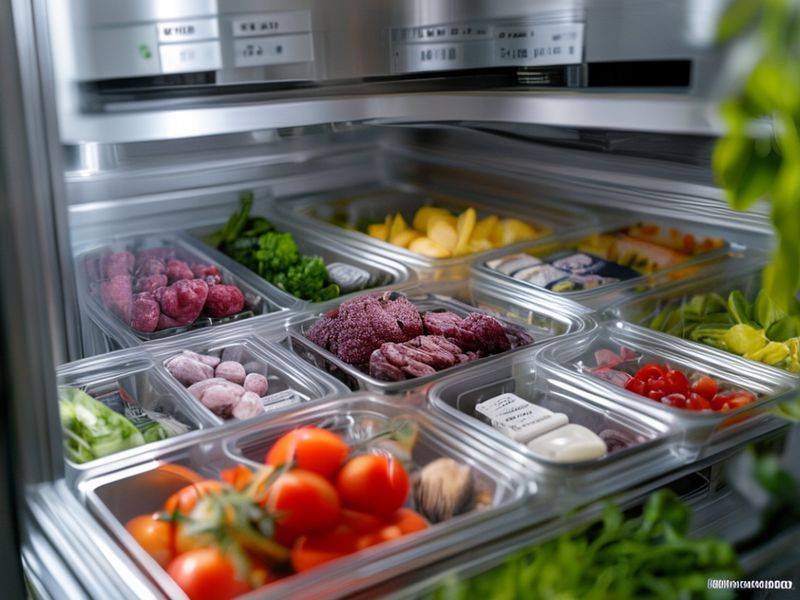
- Waste Audit Protocol: Weekly check of refrigerator and freezer to rotate stock before expiration.
The Future-Proof Kitchen
As GLP-1 adoption continues to grow—from about 11% of U.S. households in late 2023 to over 16% by mid-2024 according to the Cornell research—kitchen economics are being permanently reshaped. The medications that reduce grocery bills by shrinking appetites simultaneously create new requirements: protein optimization, waste reduction, and appetite-responsive planning.
The Protein-First 2+1 Strategy isn't just another meal plan—it's a kitchen operating system built for the new reality of medication-assisted weight management. It acknowledges that while grocery bills may shrink, nutritional requirements don't. It recognizes that while appetite decreases, protein needs increase. And it provides the structured flexibility needed to navigate the complex intersection of pharmacology, nutrition, and home economics.
The revolution isn't just in the medicine cabinet—it's in the kitchen. And the households that adapt their meal planning to this new reality will save money, preserve health, and reduce waste simultaneously.