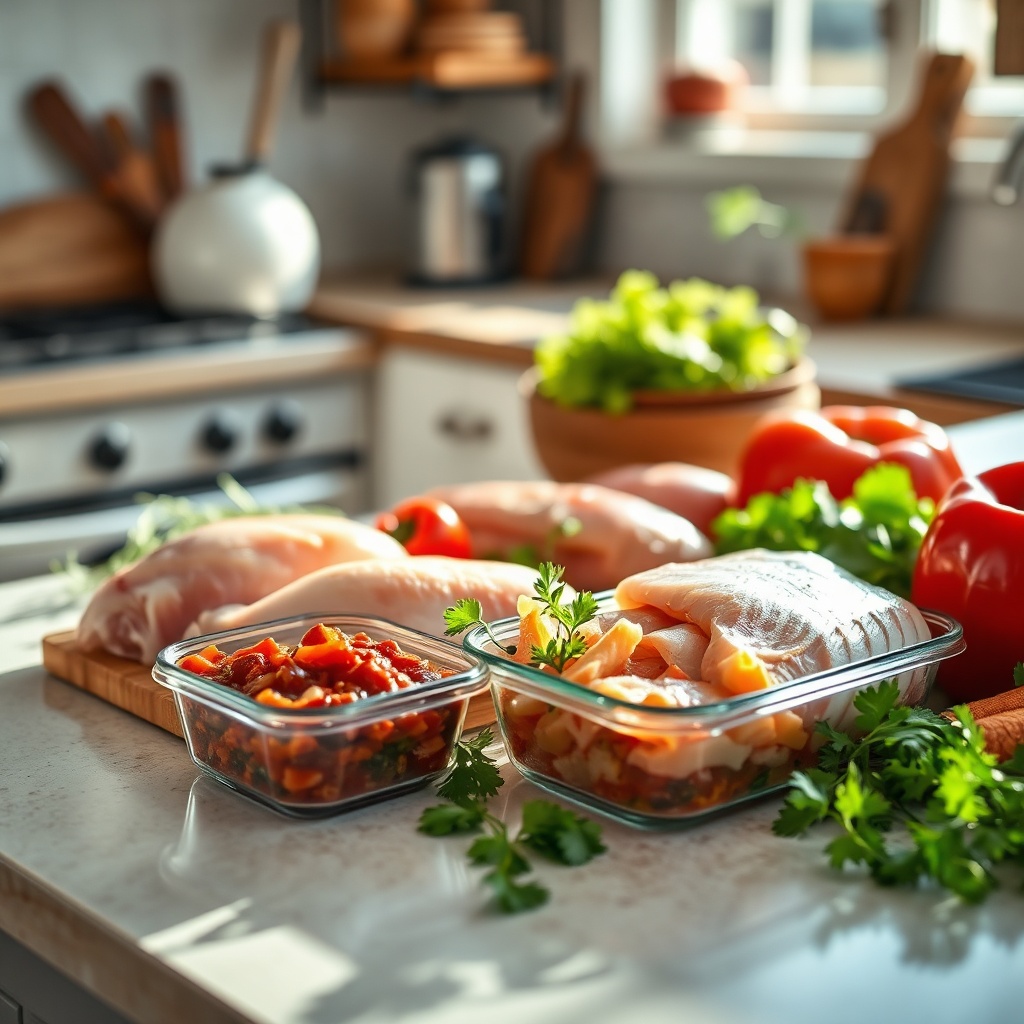
The Lean Kitchen Conundrum Strategic Constraint For Meal Prep Resilience
Feeling meal prep burnout? Discover the 2+1 Strategy—a Lean manufacturing-inspired system that reduces cognitive load and waste while building kitchen resilience.
The Lean Kitchen Conundrum: Strategic Constraint for Meal Prep Resilience
Meal planning and prep can often feel like an endless, exhausting cycle—especially when you're trying to maintain a healthy, varied diet. Despite our best intentions, many of us find ourselves burnt out, with wasted food, and takeout menus looming large. But what if the problem isn't our lack of organization or willpower? What if the issue lies in our approach to meal planning itself?
In the vast, efficient world of industrial manufacturing, a concept called "strategic constraint" has been driving success for decades. It's a principle that, when applied to our home kitchens, can transform meal prep from a chore into a sustainable, even enjoyable, system. Let's dive into the intersection of Lean manufacturing principles and cognitive load theory to understand why batch cooking often fails and how structured flexibility can create resilient kitchen ecosystems.
The Cognitive Load of Meal Planning
At the heart of meal prep burnout lies a simple, often overlooked fact: our brains have limits. Cognitive load theory tells us that when demands exceed our working memory capacity, performance suffers*. In the context of meals, navigating labels, ingredients, grocery lists, recipes, and competing priorities simultaneously erodes our follow-through.
A 2026 study by Pure Plates revealed that 64% of home cooks want to "quit dinner" due to stress, with 89% citing planning and prep as major culprits*. The same study found that 52% of adults avoid meal prepping due to recipe boredom and time constraints, and 95% abandon healthy eating goals by February 1st due to lack of prepared options. These statistics underscore the need for a meal planning strategy that reduces cognitive demand, not increases it.
The Myth of Freshness and the Freezer's Secret
Before we dive into strategic constraint, let's address a common barrier to efficient meal planning: the freshness myth. Many of us believe that "fresh" produce is superior to frozen, but science tells a different story. Cryogenic freezing technology, used industrially since the 1960s, preserves vegetables, seafood, and other proteins with superior nutrient retention*. Flash-freezing at -321°F arrests enzymatic activity, prevents large ice crystal formation that damages cell walls, and locks in flavor and nutrition—making frozen options nutritionally competitive or superior to "fresh" counterparts after days of transportation.

Cryogenic freezing process
Understanding the science behind freezing empowers us to rethink our meal planning strategies. By embracing the freezer as a valuable tool, we can create meal systems that reduce waste and cognitive load.
Strategic Constraint: The Power of Less
In industrial engineering, strategic constraint involves purposefully limiting resources to drive efficiency and innovation*. In our kitchens, applying this principle means setting boundaries around our meal planning to prevent cognitive overload. Here's where the 2+1 Strategy comes in:
The 2+1 Strategy: A Blueprint for Resilience
The 2+1 Strategy is a meal planning approach that combines the structure of batch cooking with the flexibility of just-in-time inventory management. Here's how it works:
-
Plan around two fresh core proteins: By focusing on two proteins per planning session, you reduce decision fatigue and streamline grocery shopping. This approach also encourages variety, ensuring you're not stuck in a recipe rut.
-
Add one freezer-breaker: This is your strategic constraint. By designating one meal or ingredient to be prepared and frozen in advance, you create a buffer against burnout and waste. The freezer-breaker can be anything from a casserole to a batch of soup or chili, or even cooked grains and proteins that can be repurposed throughout the week.
-
Fill in the gaps with pantry staples, sides, and leftovers: With your core proteins and freezer-breaker in place, you can easily fill in the rest of your meals with pantry staples, sides, and leftovers. This approach reduces waste and minimizes last-minute decision-making.
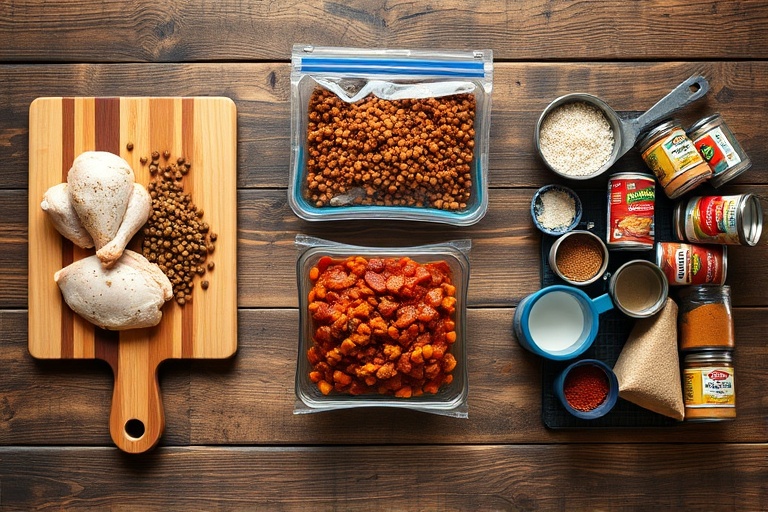
Illustration of the 2+1 Strategy
Standardized Work: The Key to Sustainability
At the heart of the 2+1 Strategy lies the concept of standardized work, a Lean manufacturing principle that creates consistent, efficient processes*. By establishing a routine around your meal planning and prep, you reduce variability, eliminate waste, and create a sustainable system that works for you.
The Role of the Freezer in Waste Reduction
Embracing the freezer as a strategic tool not only enhances meal planning resilience but also significantly reduces food waste. According to a 2026 study by ReEncle, the average American wastes roughly 325 pounds of food per year, with a family of four wasting an estimated $1,500 worth of food annually*. By incorporating a freezer-breaker into our meal planning, we can extend the shelf life of perishable ingredients, reduce waste, and save money.
Implementing the 2+1 Strategy: A Step-by-Step Guide
Now that we've explored the theory behind the 2+1 Strategy, let's dive into the practical steps for implementation:
-
Assess your current meal planning: Start by evaluating your current approach to meal planning. What's working? What's not? Identify areas where you feel overwhelmed or wasteful.
-
Identify your core proteins: Based on your assessment, choose two proteins that you enjoy and that offer variety in your meals. These could be anything from chicken and fish to lentils and tofu.
-
Plan your freezer-breaker: Next, decide on a meal or ingredient that you can prepare and freeze in advance. This could be a casserole, a batch of soup, or even cooked grains and proteins that can be repurposed throughout the week.
-
Create a meal plan: With your core proteins and freezer-breaker in place, create a meal plan for the week. Fill in the gaps with pantry staples, sides, and leftovers.
-
Shop efficiently: With your meal plan in hand, create a grocery list that focuses on your core proteins and any fresh produce or ingredients needed for your freezer-breaker.
-
Prep and freeze: Dedicate a few hours each week to preparing and freezing your freezer-breaker. This could be done in one fell swoop or broken up into smaller tasks throughout the week.
-
Review and adjust: At the end of each week, review your meal plan and assess what worked and what didn't. Make adjustments as needed to create a sustainable system that works for you.
Key Takeaway: Embrace Strategic Constraint for Meal Prep Resilience
The Lean kitchen is not about perfect organization or endless variety; it's about strategic constraint. By embracing the 2+1 Strategy, we can create meal planning systems that reduce cognitive load, minimize waste, and maximize flavor. So go ahead, give your brain a break, and let the power of less transform your kitchen into a resilient, efficient ecosystem.
Pro Tip: Don't forget to involve the whole family in meal planning and prep. By sharing the cognitive load, you not only create a more sustainable system but also foster a sense of ownership and responsibility in your children.