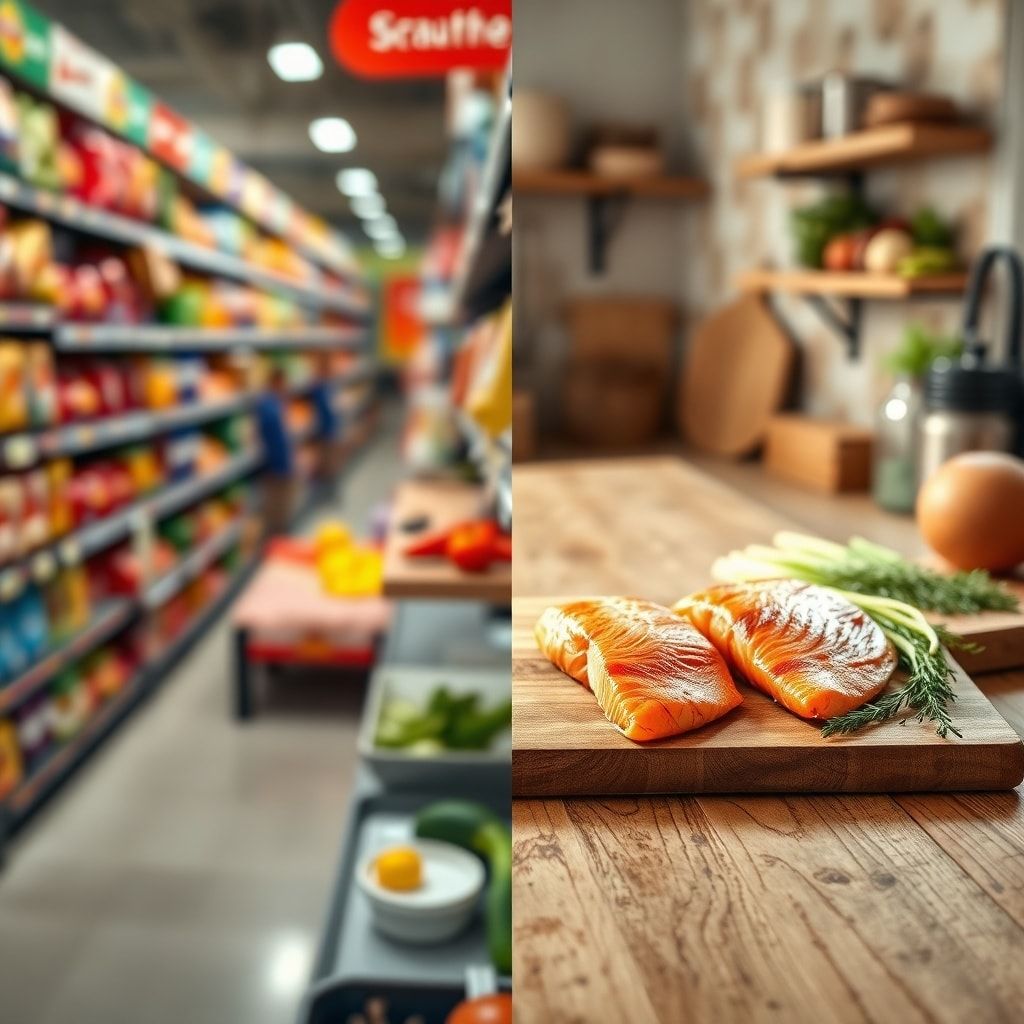
The Present Bias Paradox How Grocery Store Psychology Exploits Our Immediate Gratification Instincts And How Structured Meal Planning Creates Behavioral Immunity
Learn how grocery stores exploit present bias to drive impulse buys and discover how structured meal planning like MealSolved's 2+1 strategy creates behavioral immunity against unhealthy choices.
The Present Bias Paradox: How Grocery Store Psychology Exploits Our Immediate Gratification Instincts and How Structured Meal Planning Creates Behavioral Immunity
**
Introduction
In the grand arena of human decision-making, few battles are as fierce and persistent as the one between our present selves and our future selves. This internal tug-of-war, known as present bias, is a fundamental aspect of our psychology that shapes our daily lives, including our food choices. Understanding this phenomenon is key to unlocking the full potential of meal planning strategies like MealSolved's 2+1 approach.
The Grocery Store: A Battlefield of Temptation
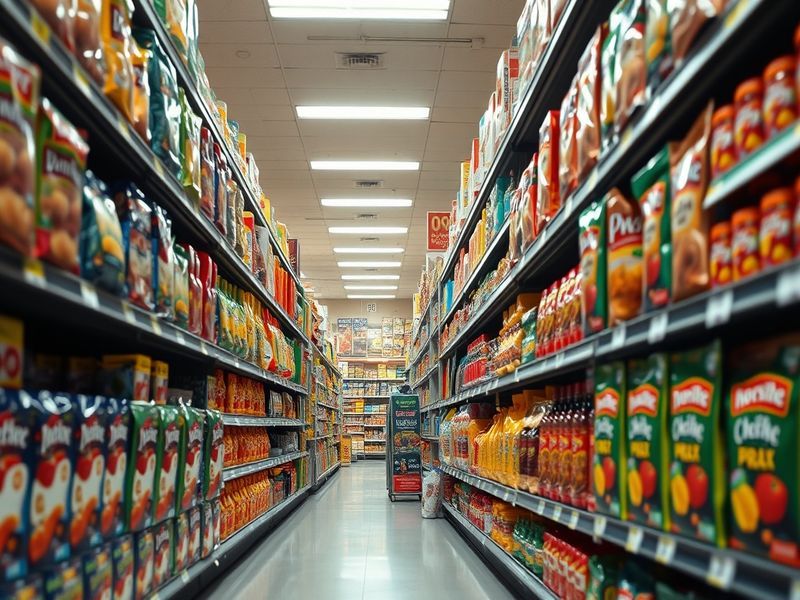
Grocery stores are not merely places to buy food; they are engineered environments designed to exploit our present bias. By understanding how they do this, we can better equip ourselves to resist temptation and make smarter food choices.
The Science Behind Impulse Purchases
A study by Ravyx.com revealed that "20–50% of grocery shoppers make at least one unplanned purchase per trip," with impulse items accounting for up to "62% of total store revenue." This is no coincidence. Grocery stores use a combination of strategic layout, visibility, and urgency signals to create immediate gratification triggers. For instance, placing high-margin, low-nutrition items at eye level or near checkout counters exploits our present bias, leading us to make unplanned purchases.
Pro Tip: Always shop with a list and stick to it. This simple act can significantly reduce impulse purchases.
The Role of Technology in Driving Impulse Buying
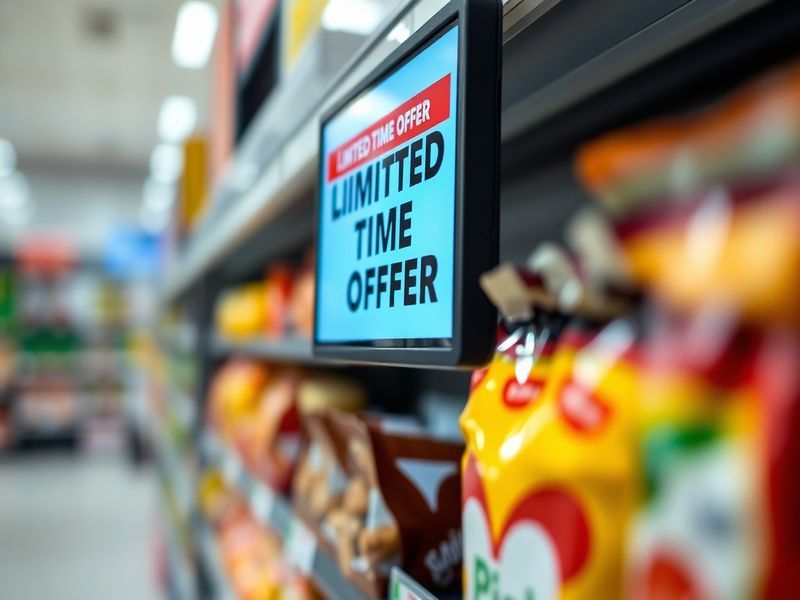
Electronic Shelf Labels (ESLs) and dynamic pricing are not just about convenience; they're tools to manipulate our present bias. By creating a sense of urgency ("Limited Time Offer!") or highlighting discounts ("Save 20% Today!"), these technologies encourage us to make impulsive decisions.
**
Present Bias and Food Choices: The Evidence
A 2024 research paper from the Institute of Labor Economics provides academic evidence for present bias in food choices. The study found that "44% of individuals show dynamic inconsistency in the expected direction" when choosing food, while only "31% show present-biased behavior" with money decisions. This suggests that our present bias is more pronounced when it comes to food.
Moreover, the study found that "subjects treat food categories differently and balance food healthiness across categories." This mental accounting affects our food choices, leading us to believe that we can "balance out" unhealthy choices with healthier ones later. However, this strategy often backfires, as present bias tends to dominate our decision-making.
The Modern Grocery Shopper: Aspiration vs. Reality
A 2025 Food Industry Association report revealed that for modern shoppers, "eating well is the foundation of how they think about value." However, the reality is that present bias often leads us to make unhealthy choices in the moment, despite our best intentions.
The report also showed that shoppers are trading discretionary spending for food-related benefits, indicating a shift in priorities. This shift presents an opportunity for structured meal planning strategies like MealSolved to help shoppers achieve their goals.
**
The 2+1 Strategy: Creating Behavioral Immunity
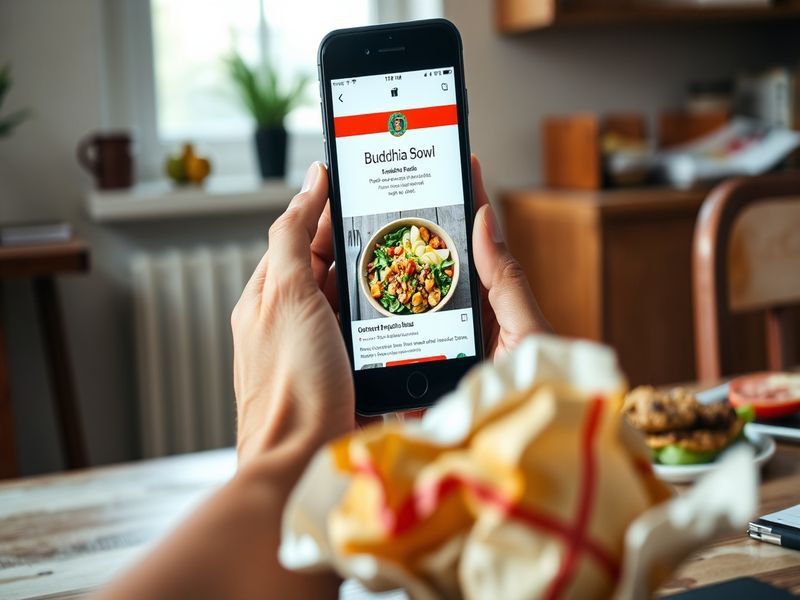
MealSolved's 2+1 strategy creates behavioral immunity against present bias by making healthy, planned eating the default rather than the exception. Here's how it works:
1. Pre-commitment Devices
By planning your meals in advance, you're making a commitment to your future self. This pre-commitment device helps overcome present bias by reducing the temptation to make unhealthy, impulsive choices in the moment.
2. Reduced Decision Friction
The 2+1 strategy eliminates the daily "what's for dinner?" stress by providing a clear plan. This reduction in decision friction makes it easier to stick to your plan and resist temptation.
3. Structural Constraints
Having a plan paradoxically increases your freedom by eliminating temptation points. When you know what you're having for dinner, you're less likely to be swayed by impulse purchases or last-minute takeout decisions.
4. Mental Accounting
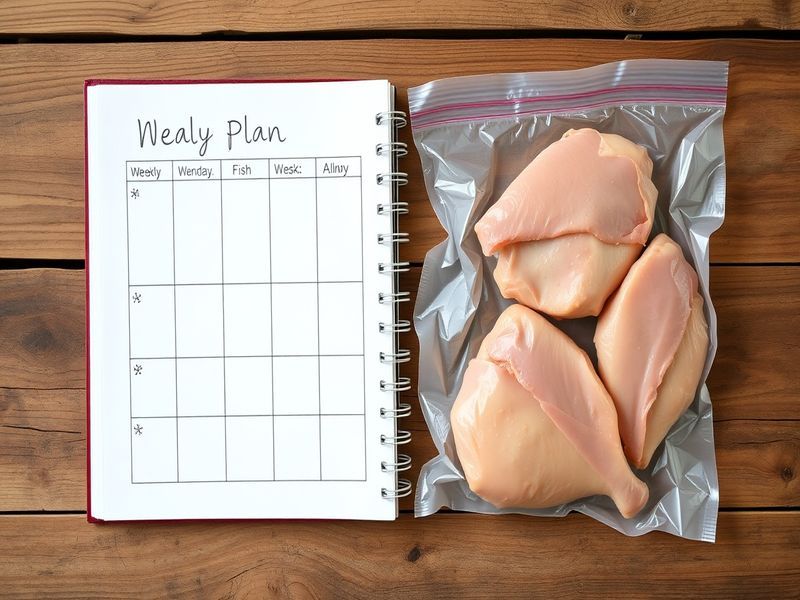
The 2+1 strategy encourages mental accounting by balancing your food categories. By planning around two fresh core proteins and one freezer-breaker, you're creating a system that allows you to enjoy a variety of foods while maintaining a healthy diet.
**
The Power of Structured Meal Planning
In a Purdue University Consumer Food Insights Report from January 2026, it was found that "82% of respondents modified their shopping behaviors" in 2025, with higher-income households being "more likely to cite food prices as their reason for change." This indicates a widespread desire for change in grocery shopping behaviors. However, the report also noted that only "5% expect to continue these changes in 2026," suggesting that temporary, rather than systematic, solutions are not enough.
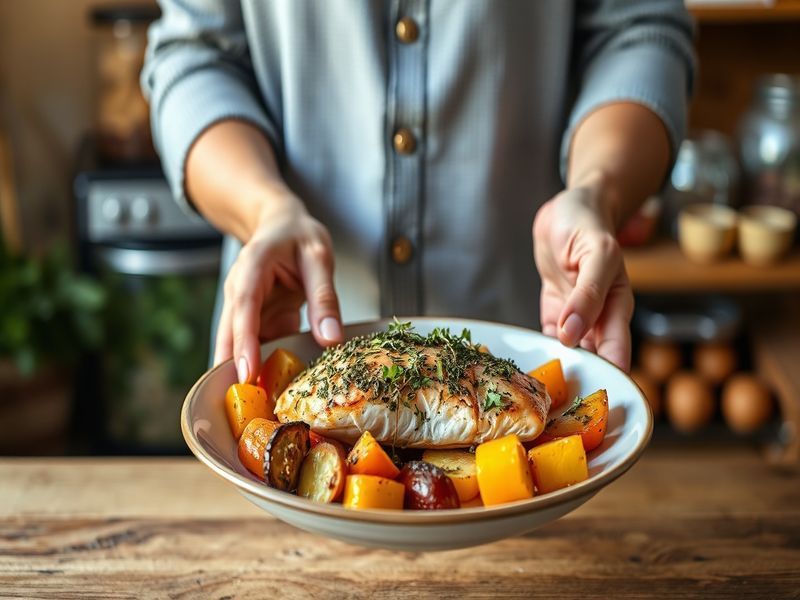
Structured meal planning strategies like MealSolved offer a sustainable solution to this problem. By creating behavioral immunity against present bias, these strategies help shoppers make smarter food choices that align with their long-term goals.
**
Conclusion
Understanding present bias is key to unlocking the full potential of meal planning strategies. By recognizing how grocery stores exploit our immediate gratification instincts, we can better equip ourselves to resist temptation and make smarter food choices. The 2+1 strategy offered by MealSolved creates behavioral immunity against present bias, making it a powerful tool for anyone looking to improve their home cooking life.
Key Takeaway: To overcome present bias and make smarter food choices, commit to a structured meal planning strategy like MealSolved's 2+1 approach. By planning your meals in advance, reducing decision friction, creating structural constraints, and practicing mental accounting, you can create behavioral immunity against the temptation of impulse purchases and last-minute takeout decisions.