The Choice Architecture Paradox How Grocery Store Layouts Exploit Cognitive Vulnerabilities And Why Strategic Meal Planning Creates Behavioral Immunity
Discover how grocery stores manipulate your decisions and how strategic meal planning acts as your cognitive immune system to save money and reduce food waste.
The Choice Architecture Paradox: How Grocery Store Layouts Exploit Cognitive Vulnerabilities and Why Strategic Meal Planning Creates Behavioral Immunity
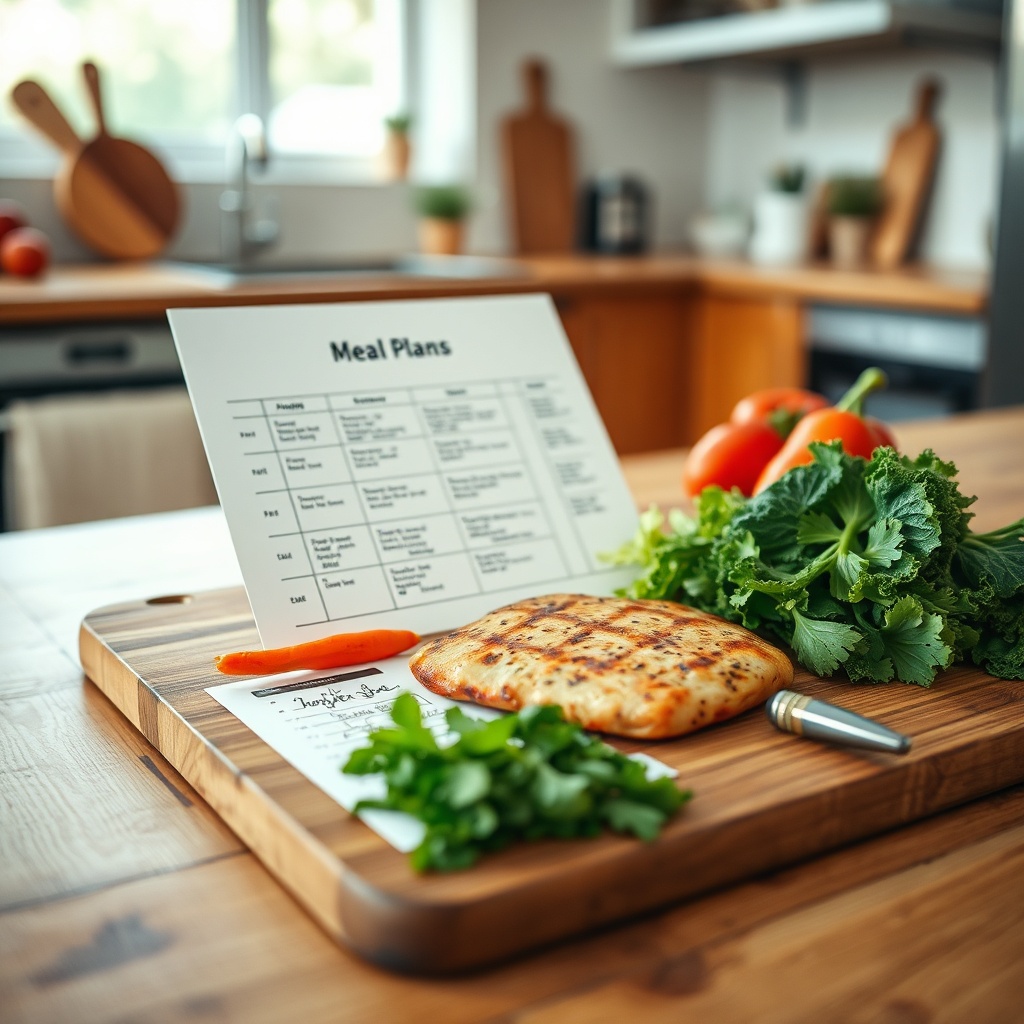
Welcome to The Kitchen Log, where we bridge the gap between culinary creativity and strategic resource management. Today, we're diving into the fascinating world of choice architecture – the science behind how we make decisions, and how grocery stores exploit our cognitive vulnerabilities to maximize profits. We'll explore how modern supermarkets are designed to manipulate our choices, leading to overspending and food waste. But don't worry, we'll also show you how a well-structured meal plan can act as a "cognitive immune system," helping you navigate the retail battlefield and save money.
The Cognitive Battlefield: Decision Fatigue and Choice Overload
Before we delve into the supermarket's psychological tactics, let's understand the cognitive landscape we're navigating. Our brains are remarkable, but they're not infinite. Adults make an average of 35,000 decisions daily!

(https://speakwiseapp.com/blog/wp-content/uploads/2023/06/decision-fatigue-statistics.png), and a staggering 73% of consumers feel overwhelmed by choices!
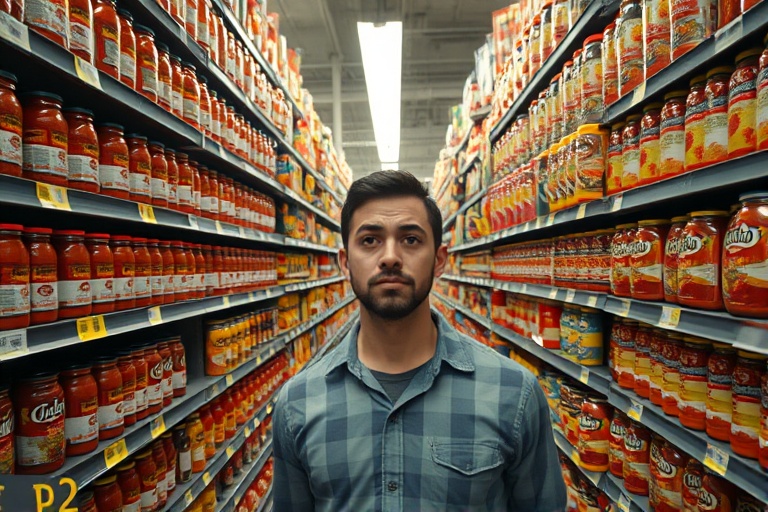
(https://speakwiseapp.com/blog/wp-content/uploads/2023/06/decision-fatigue-statistics.png). When it comes to food, the load is even heavier – we make around 226 food decisions daily!
(https://speakwiseapp.com/blog/wp-content/uploads/2023/06/food-decisions.png), but we estimate only 14!
(https://speakwiseapp.com/blog/wp-content/uploads/2023/06/food-decisions.png)! This discrepancy highlights our cognitive blind spots, which grocery stores exploit masterfully.
The "Jam Study" and the Power of Less
In 2000, Sheena Iyengar and Mark Lepper conducted a study now famously known as the "jam study." They set up a booth in a grocery store, offering samples from a selection of jams. On one day, they offered 24 varieties; on another, they offered only 6. The results were surprising: while more options led to more initial interest, customers were 10 times more likely to purchase when offered fewer choices!
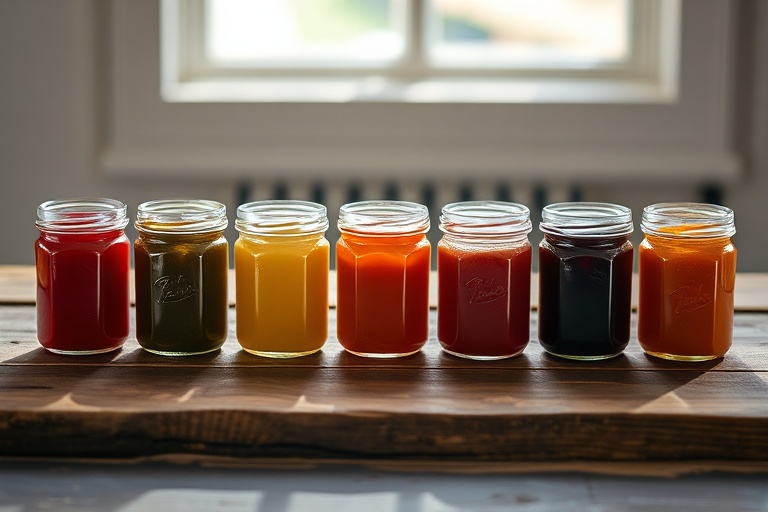
(https://speakwiseapp.com/blog/wp-content/uploads/2023/06/jam-study.png). This study demonstrates the power of choice reduction in driving action and purchase.
The Supermarket's Psychological Tactics
Now that we understand our cognitive limitations, let's explore how grocery stores exploit them. Supermarkets are designed to manipulate our decisions, leading us to overspend and waste food. Here are some key tactics:
1. Excessive Choices: The 47,000+ Product Puzzle
Grocery stores offer an overwhelming number of products – 47,000+ on average!
(https://speakwiseapp.com/blog/wp-content/uploads/2023/06/grocery-store-products.png). This choice overload is no accident; it's designed to create decision fatigue, making us more likely to make impulsive, less rational choices.
2. Endcap Promotions: The Power of Placement
Endcaps – the displays at the end of aisles – are highly strategic. Stores place high-margin, high-profit items here, knowing that endcap displays can increase sales by 21%!
(https://speakwiseapp.com/blog/wp-content/uploads/2023/06/endcap-promotions.png). They exploit our cognitive biases, knowing we're more likely to grab items we see first or last.
3. Bulk Promotions: The Illusion of Savings
Stores use bulk promotions to encourage us to buy more. However, these promotions often exploit our anchoring bias, making us focus on the perceived discount rather than the actual value. We might think we're saving money, but we're often just spending more.
The Economic Impact: Shrinkflation and Food Waste
The psychological tactics grocery stores use have real economic consequences. Let's explore two key issues: shrinkflation and food waste.
Shrinkflation: The Hidden Inflation
You've probably noticed prices going up, but have you noticed package sizes going down? This is shrinkflation – when companies reduce the size of products while keeping prices the same. A 2026 study revealed that failing to account for shrinking packages would have understated food inflation by 3.7 percentage points over seven years!
(https://phys.org/news/2026-01-reveals-package-sizes-significant-food.html). Shrinkflation exploits our framing bias, making us focus on price increases but overlook size reductions.
Food Waste: The $728 Problem
The psychological tactics of grocery stores contribute significantly to food waste. According to the EPA, consumer food waste costs $728 per person annually!
(https://www.summitplate.com/blog/food-waste-statistics.png) – that's $2,913 for a family of four! Impulse purchases of perishables without meal plans, overbuying due to bulk promotions, and disconnected ingredients that spoil all contribute to this waste.
Strategic Meal Planning: Your Cognitive Immune System
Now that we've explored the cognitive battlefield and the supermarket's psychological tactics, let's discuss how strategic meal planning can act as a "cognitive immune system," helping you navigate the retail landscape and save money.
The 2+1 Strategy: Reducing Cognitive Load
At MealSolved, we advocate for the 2+1 strategy: planning around two fresh core proteins plus one freezer-breaker. This strategy reduces cognitive load in several ways:
-
Choice Reduction: By limiting your protein choices, you reduce decision fatigue. Remember the jam study? Less is more when it comes to choices.
-
Ingredient Overlap: Planning around two proteins encourages ingredient overlap, reducing waste and saving money.
-
Buffer Against Shrinkflation: The freezer-breaker acts as a buffer against shrinkflation. When core proteins shrink, the frozen backup maintains meal portion integrity.
Flash Freezing: Preserving Quality and Value
Not all freezers are created equal. Understanding the science of freezing can help you preserve food quality and value. A 2025 study showed that rapid freezing creates smaller ice crystals, preserving texture and nutrient retention in meat products!
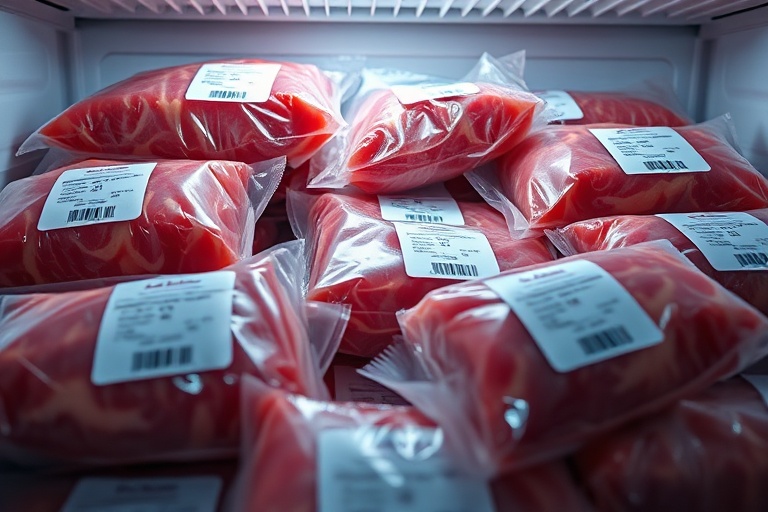
(https://www.alliedacademies.org/articles/cryogenic-freezing-vs-conventional-freezing-a-comparative-study-on-texture-and-nutrient-retention-in-meat-products.pdf). Investing in a quality freezer can help you maintain food quality better than "fresh" foods degrading during transport.
Pro Tip: When investing in a new freezer, look for features like fast freeze and consistent temperature control to maximize food quality and preservation.
Key Takeaway: Strategic Meal Planning Saves Money and Reduces Waste
Strategic meal planning is not just about saving time and reducing stress; it's also about saving money and reducing waste. By understanding the cognitive battlefield and the supermarket's psychological tactics, you can navigate the retail landscape more effectively. The 2+1 strategy, combined with a quality freezer, can act as a "cognitive immune system," helping you make smarter choices and maintain your hard-earned cash.