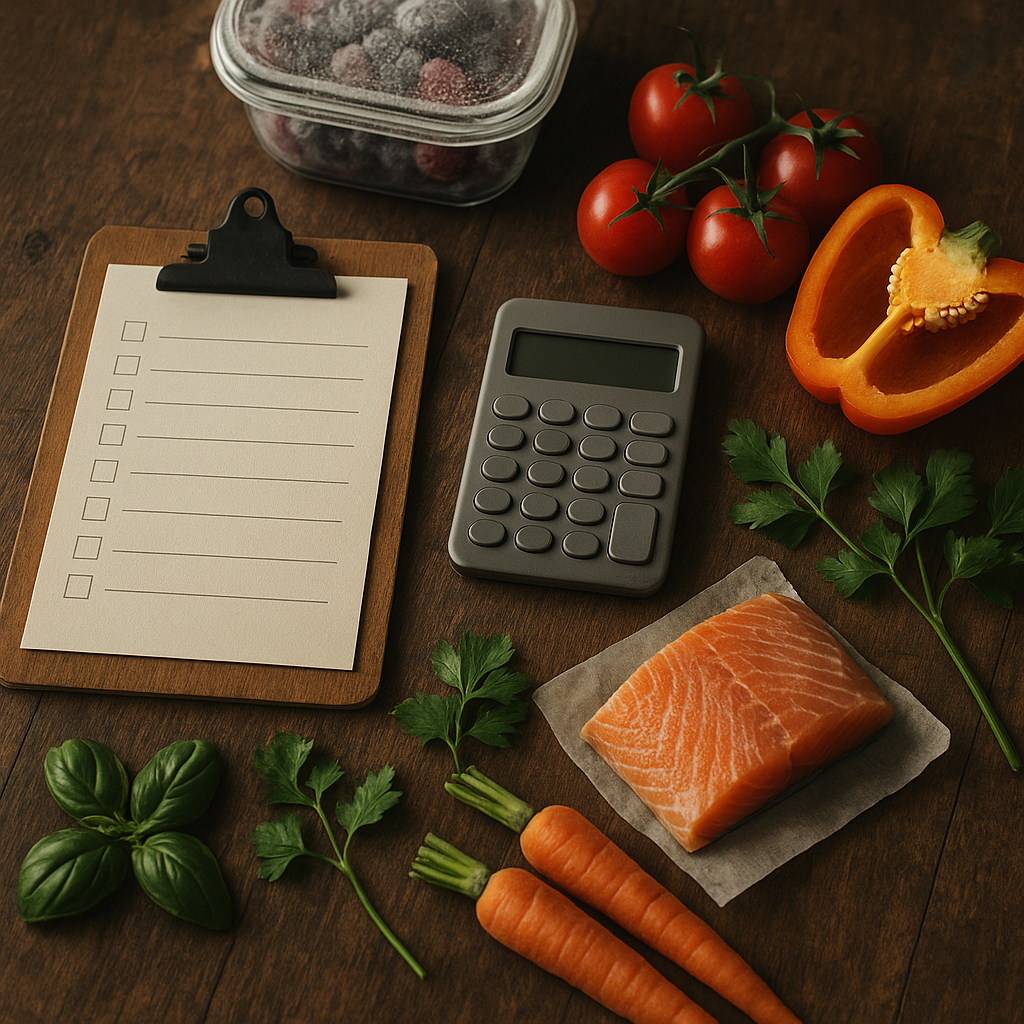
The Financial Audit: Calculating the Real Cost Per Plate of the 2+1 Strategy vs. The Takeout Trap
We audit the true cost of convenience vs. strategy. Learn how the 2+1 system saves $2,900/year and why your 'cheap' takeout is a financial leak.
The P&L of Your Kitchen
If you ran your household like a business, the kitchen would likely be the department under the most scrutiny. It is high-volume, inventory-heavy, and susceptible to massive operational leakage. Most home cooks look at the grocery bill and wince, but they fail to account for the two biggest line items bleeding their budget: the "Takeout Trap" and the "Waste Tax."
Today, we aren't talking about recipes. We are conducting a financial audit of the 2+1 Strategy (planning two fresh proteins and one freezer-breaker) versus the standard reactive model of modern feeding.
Line Item 1: The Takeout Trap
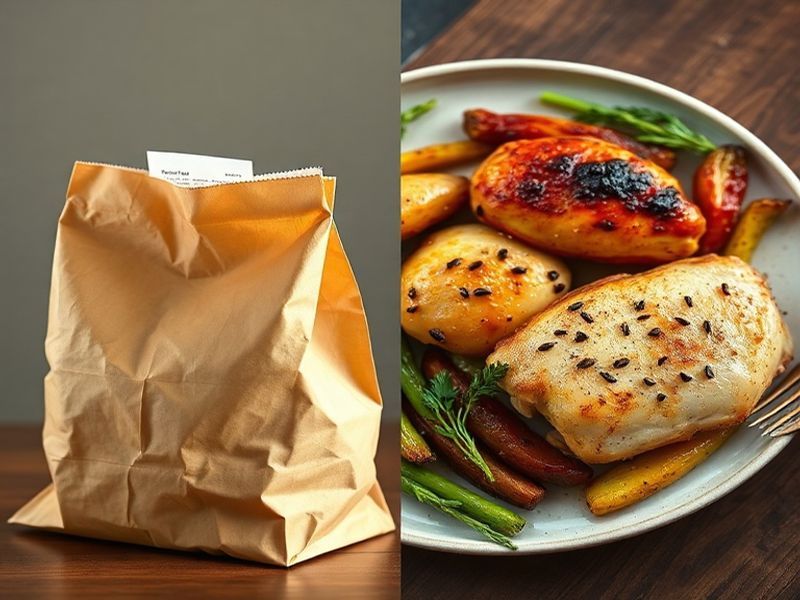
We often justify takeout as a "treat" or a necessary evil of a busy Tuesday. However, the costs have decoupled from value. According to recent dining trends, the average delivery meal now costs $29.92. Note that this is per meal context—meaning a family of four can easily stare down a $100+ invoice for lukewarm food that arrives 45 minutes late.
If you succumb to this trap just once a week—often driven by exhaustion rather than desire—you are hemorrhaging over $5,000 annually. This is where the 2+1 Strategy intervenes. By having a "Freezer-Breaker" (a fully prepped, high-quality meal) ready for deployment, you eliminate the friction that leads to the delivery app. The cost of a home-cooked freezer meal? Approximately $4 to $6 per plate. The ROI on that single swap is nearly 500%.
Line Item 2: The Waste Tax
The second leak is quieter but equally damaging. It’s the cilantro turning into sludge in the crisper drawer; the chicken breast that expired yesterday. A 2025 report by the EPA reveals a staggering statistic: the average U.S. household of four wastes $2,913 worth of food annually. That breaks down to $56 every single week thrown directly into the trash.
The 2+1 Strategy mitigates this through forced constraints. By limiting your fresh inventory to exactly two core proteins per shopping cycle, you artificially constrict your supply chain. You cannot waste what you do not buy. You cook the two fresh meals while they are pristine, and then move to your freezer reserve.
The Asset Class: Frozen vs. Fresh
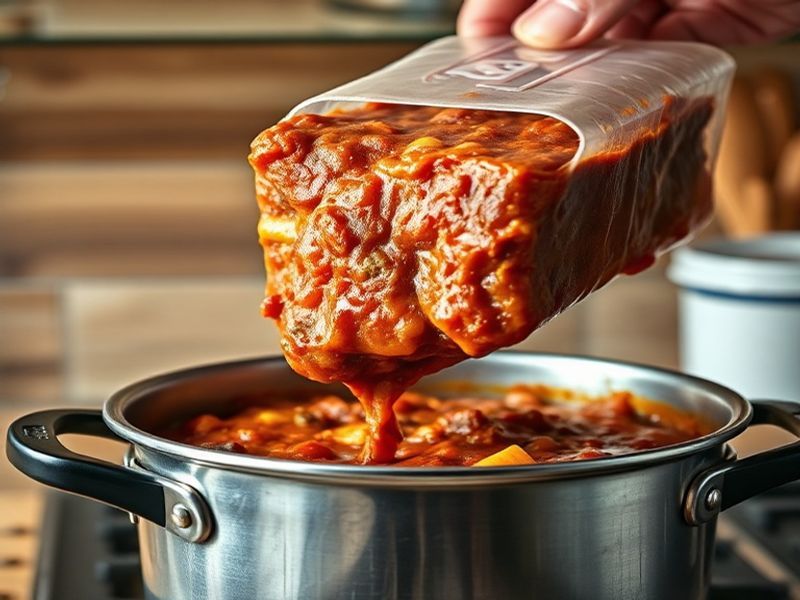
One barrier to adopting the "Plus One" (freezer) aspect of our strategy is the misconception that frozen food is nutritionally bankrupt. This is a supply chain misunderstanding. Fresh produce often degrades during long shipping and shelf times. Conversely, scientific findings indicate that flash-frozen produce often retains equal or greater nutrient levels compared to their fresh counterparts. Your freezer isn't a graveyard; it's a nutrient bank.
The Root Cause: Decision Fatigue
Why do we waste money on takeout we don't really want and waste food we already bought? It is rarely a lack of skill; it is a lack of bandwidth. A 2025 systematic review highlights how decision fatigue leads directly to poorer food choices and an increased reliance on convenience foods. By afternoon, your executive function is depleted.
The 2+1 Strategy acts as an automated decision tree. You don't have to decide what's for dinner on Thursday because the logic was established on Sunday. By removing the decision, you remove the cost.
The Bottom Line
Implementing the 2+1 Strategy isn't just about eating better—it is about stopping a $7,000+ annual leak in your household finances (combined takeout premium and food waste). Treat your kitchen like a business, manage your inventory with precision, and watch your savings grow.