The Choice Architecture Revolution How Strategic Constraint Liberates Home Cooks From Decision Paralysis
Discover how the 2+1 Strategy uses choice architecture to beat decision paralysis. Plan smarter, cook easier, and enjoy meals more with strategic constraint.
The Choice Architecture Revolution: How Strategic Constraint Liberates Home Cooks from Decision Paralysis
Welcome to the kitchen, where the humble home cook is faced with a daunting challenge: an overwhelming array of choices that can lead to decision paralysis, wasted time, and ultimately, burnout. But what if there was a way to transform this chaotic landscape into a well-oiled machine, where strategic constraint liberates you from decision fatigue and empowers you to create delicious, nutritious meals? Enter the world of choice architecture and the 2+1 Strategy.
The Paradox of Choice: Too Much of a Good Thing
We've all been there: standing in the grocery store aisle, staring at a wall of pasta sauces, each promising to be the best, the healthiest, the most authentic. The more options we have, the harder it becomes to choose, right? This is the paradox of choice, a psychological phenomenon where having too many options can lead to decision paralysis, reduced satisfaction, and even anxiety [1].
In the context of home cooking, this means that while a vast array of ingredients and recipes might seem like a dream, it can actually make meal planning a nightmare. This is where strategic constraint, or choice architecture, comes into play.
Structured Constraint: The Power of Strategic Meal Planning
Choice architecture is the science of designing decision environments to make desired choices more likely. Instead of presenting us with infinite options, a well-designed choice set curates our options, making it easier for us to choose and ultimately, more satisfying [2].
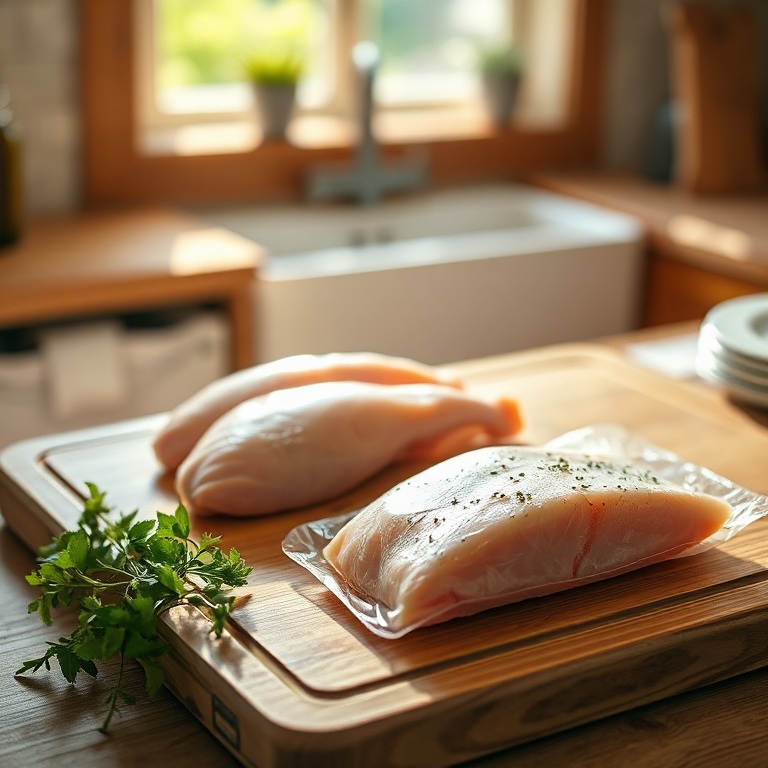
In the kitchen, this translates to structured meal planning systems like the 2+1 Strategy. By planning around two fresh core proteins and one freezer backup, we create a curated choice set that reduces cognitive load while maintaining culinary satisfaction. But how does this work in practice?
The 2+1 Strategy: Balancing Structure and Flexibility
The 2+1 Strategy is a practical approach to meal planning that balances structure with flexibility. Here's how it works:
-
Two Fresh Core Proteins: By choosing two fresh proteins for the week, you create a manageable choice set. This could be anything from chicken and fish to tofu and beans. The key is to keep it varied and interesting, but not overwhelming.
-
One Freezer Backup: This is your secret weapon against decision fatigue and meal prep burnout. By keeping a well-stocked freezer with high-quality, flash-frozen proteins, you have a reliable nutritional backup that maintains its nutritional value and quality [3].
By applying this strategy, you're not only reducing decision fatigue but also creating a system that works with your natural cognitive processes. You're curating your choices, making it easier to plan, shop, and cook.
The Science Behind Strategic Constraint
But why does this work? The answer lies in the science of choice architecture and the psychology of decision-making.
Decision Paralysis and the Optimal Choice Set
When we're faced with too many options, our brains struggle to process and compare them all. This leads to decision paralysis, where we delay choices or avoid them altogether [1]. By curating our choices with the 2+1 Strategy, we create an optimal choice set that balances variety with manageability, making it easier to choose and ultimately, more satisfying.
Cognitive Load and the Mental Effort of Meal Planning
Meal planning isn't just about deciding what to eat; it's also about managing the cognitive load of shopping, cooking, and cleaning up. By creating a structured meal plan, we reduce the mental effort required for each of these tasks, making the whole process more efficient and less stressful [4].
Meal Prep Burnout and the Importance of Flexibility
While structure is key, it's important not to overlook the role of flexibility in meal planning. By having a freezer backup, we create a safety net that allows us to adapt to changes in our schedule or cravings. This flexibility is crucial for preventing meal prep burnout and maintaining our enthusiasm for home cooking [5].
Navigating Shrinkflation: The Hidden Challenge of Meal Planning
But even with a structured meal planning system in place, there are still challenges to navigate. One of these is shrinkflation, the practice of reducing the size of products without lowering the price. This can make grocery budgeting and meal planning more complex, as we have to adapt to smaller package sizes [6].
However, by using a structured meal planning system like the 2+1 Strategy, we can create a level of consistency in our shopping and cooking that helps us navigate these challenges. By standardizing our purchasing patterns and recipes, we create a system that is more resilient to the hidden challenges of shrinkflation.
Key Takeaway: Strategic Constraint Liberates, It Doesn't Limit
The beauty of the 2+1 Strategy is that it doesn't limit our choices; it liberates us from the tyranny of too many choices. By creating a structured, curated choice set, we make it easier to choose, easier to shop, and easier to cook. We reduce decision fatigue, meal prep burnout, and food waste. We empower ourselves to create delicious, nutritious meals that nourish our bodies and our souls.
So, the next time you find yourself paralyzed by the pasta sauce aisle, remember the power of strategic constraint. Embrace the 2+1 Strategy, and let the revolution begin.
Pro Tip: To get started with the 2+1 Strategy, try dedicating a day each week to meal planning and another to meal prep. Use this time to choose your two fresh proteins and one freezer backup, and plan your meals around them. With a little practice, you'll find that this simple system transforms your kitchen into a well-oiled machine.
Sources
[1] The Awareness News. (2025). Trapped in Choice: How More Choices Make Us Less Happy. https://theawarenessnews.com/2025/12/16/trapped-in-choice-how-more-choices-make-us-less-happy/
[2] Eat Better Meals. (2026). Solutions for Meal Prep Burnout: How to Eat Well Without the Stress in 2026. https://eatbettermeals.com/blogs/news/solutions-for-meal-prep-burnout-how-to-eat-well-without-the-stress-in-2026
[3] Ideal Freezer. (n.d.). Flash Freezing vs. Traditional Freezing Methods. https://www.idealfreezer.com/Flash-Freezing-vs-Traditional-Freezing-Methods
[4] University of Massachusetts Amherst. (2026). Study reveals package sizes' significant role in food inflation. https://phys.org/news/2026-01-reveals-package-sizes-significant-food.html
[5] The Kitchen Log: Insights, updates, and strategies for smarter cooking. (2026). The Choice Architecture Revolution: How Strategic Constraint Liberates Home Cooks from Decision Paralysis. https://thekitchenlog.com/choice-architecture-revolution