The Cognitive Engineering Of Home Cooking Why Most Meal Planning Systems Fail And How The 2 Plus 1 Strategy Creates Sustainable Success
Discover the 2+1 Strategy: a cognitive engineering approach to meal planning that combats decision fatigue, reduces food waste, and builds sustainable home cooking success.
The Cognitive Engineering of Home Cooking: Why Most Meal Planning Systems Fail and How the 2+1 Strategy Creates Sustainable Success
Meal planning is a complex task that involves balancing nutritional needs, budget constraints, and time management. However, many meal planning systems fail to address the psychological and logistical challenges that home cooks face, leading to burnout, waste, and unsustainable practices. In this post, we'll delve into the cognitive engineering of home cooking, exploring why traditional meal planning systems often fall short and how the 2+1 Strategy offers a sustainable solution.
The Psychological Barriers to Sustainable Meal Planning
Decision Fatigue and Meal Prep Burnout
Traditional meal planning systems often overlook the psychological toll that repetitive decision-making takes on the brain. This concept, known as decision fatigue, is well-documented in psychological research. A 2025 study in Frontiers in Cognition found that the more decisions we make throughout the day, the more our cognitive resources deplete, leading to poor choices and decreased motivation [1].
In the context of home cooking, this means that the constant stream of decisions required for meal planning and prep can lead to meal prep burnout. This is why many home cooks struggle to maintain consistent, healthy meal plans despite their best intentions.
The Role of Sensory-Specific Satiety
Another psychological barrier to sustainable meal planning is sensory-specific satiety. This phenomenon, first described by psychologist John W. Thibodeau in 1976, refers to the declining satisfaction we experience when consuming a particular type of food [2]. In other words, the more we eat of one thing, the less we enjoy it, leading to a renewal in appetite when we encounter new flavors.
This principle helps explain why eating the same meal repeatedly can lead to psychological burnout. It's not just about variety for the sake of taste; it's about working with our neurological wiring for food enjoyment.
The Financial and Environmental Costs of Inefficient Meal Planning
The psychological challenges of meal planning are compounded by the significant financial and environmental costs of food waste. According to recent EPA data, American families now waste nearly $3,000 annually on uneaten food—more than double previous estimates [3]. This financial drain represents not just grocery dollars lost but a systemic failure in home food management that demands practical solutions.
Moreover, the environmental impact of this waste is staggering. Food waste is a leading contributor to greenhouse gas emissions, with landfills emitting methane as waste decomposes. Addressing food waste is therefore not just an economic imperative but an ecological one.
The Limitations of Traditional Meal Planning Systems
Given these psychological, financial, and environmental challenges, it's clear that traditional meal planning systems must evolve to better support home cooks. However, many current systems fall short in several key areas:
-
Lack of Flexibility: Traditional meal planning systems often rely on rigid schedules and recipes, failing to account for the natural variability in our lives and appetites. This lack of flexibility can lead to wasted food, wasted money, and increased stress.
-
Overemphasis on Fresh Ingredients: Many meal planning systems prioritize fresh ingredients at the expense of frozen or canned options. While fresh produce is certainly beneficial, this overemphasis can lead to increased food waste and a failure to leverage the nutritional and logistical benefits of frozen foods.
-
Inadequate Inventory Management: Traditional meal planning systems often fail to account for the logistical challenges of home cooking, such as inventory management and Just-in-Time (JIT) principles. This can lead to overbuying, underbuying, and increased waste.
The 2+1 Strategy: A Cognitive Engineering Approach to Meal Planning
The 2+1 Strategy offers a sustainable solution to these meal planning challenges by integrating principles from cognitive psychology, industrial efficiency, and nutritional science. Here's how it works:
Structured Flexibility: Respecting the Brain's Need for Variety
At the heart of the 2+1 Strategy is the principle of structured flexibility. This approach recognizes the brain's need for variety while maintaining the efficiency and predictability of a meal plan. Here's how it works:
-
Two Fresh Core Proteins: The strategy begins with planning around two fresh core proteins for the week. This provides a structure that simplifies grocery shopping and ensures a balanced diet. However, by limiting the number of fresh proteins, the strategy respects the brain's need for variety.
-
One Freezer-Breaker: In addition to the fresh proteins, the 2+1 Strategy includes one freezer-breaker meal. This meal can be made ahead of time and frozen, providing a built-in backup plan for busy weeks or nights when you crave something different. By incorporating a freezer-breaker, the strategy acknowledges the psychological reality that humans aren't built for repetitive food experiences.
Just-in-Time Inventory Management: Transforming Meal Planning into Efficient Logistics
The 2+1 Strategy also applies principles of Just-in-Time (JIT) inventory management from manufacturing to home kitchens. By treating the freezer as a strategic asset rather than a graveyard, the strategy reduces food waste and cognitive load simultaneously:
-
Limiting Fresh Liability: By planning around just two fresh proteins, the strategy limits the kitchen's fresh inventory liability. This reduces the risk of spoilage and waste.
-
Maximizing Freezer Yield: The strategy treats the freezer as a high-yield asset, allowing home cooks to make the most of their ingredients. By incorporating freezer-breaker meals, the strategy ensures that the freezer is used strategically, not just as a catch-all for leftovers.
Nutritional Science and the Benefits of Frozen Foods
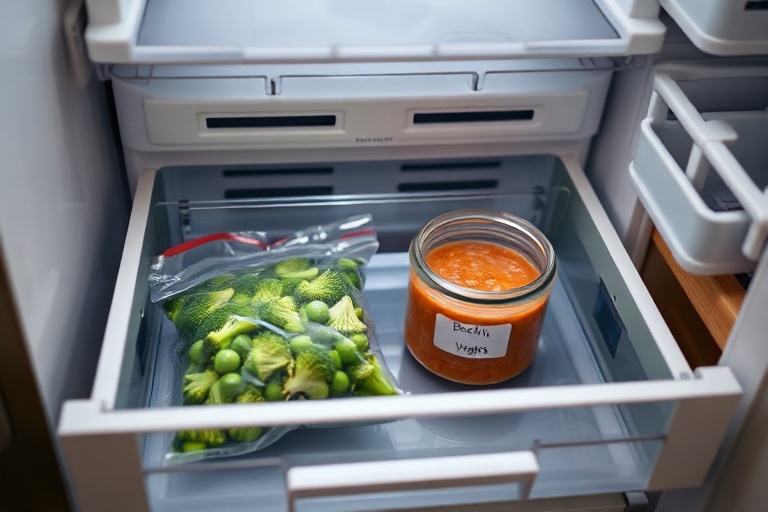
The 2+1 Strategy also incorporates nutritional science, challenging common misconceptions about frozen foods. Modern flash-freezing techniques preserve nutrients at peak ripeness, making frozen vegetables nutritionally competitive with—and sometimes superior to—their fresh counterparts [4]. This scientific understanding validates the freezer-breaker component of the 2+1 Strategy as both nutritionally sound and logistically smart.
Implementing the 2+1 Strategy: A Practical Guide
Implementing the 2+1 Strategy is straightforward. Here's a step-by-step guide to get you started:
-
Identify Two Fresh Core Proteins: Choose two fresh proteins for the week, based on your family's preferences and dietary needs. Consider factors like cost, availability, and preparation time.
-
Plan Your Meals: Plan your meals around these two proteins, considering factors like side dishes, cooking methods, and leftovers. Remember to include at least one freezer-breaker meal.
-
Grocery Shop: Based on your meal plan, create a grocery list and shop accordingly. The 2+1 Strategy simplifies grocery shopping by reducing the number of items you need to buy fresh each week.
-
Prepare and Freeze: Prepare your freezer-breaker meal and freeze it for later use. This meal can be a lifesaver on busy weeks or nights when you crave something different.
-
Review and Adjust: At the end of the week, review your meal plan and adjust as needed. Consider what worked well and what didn't, and use this information to refine your future meal plans.
Key Takeaway: The 2+1 Strategy as a Cognitive Engineering Solution
The 2+1 Strategy offers a sustainable solution to the psychological, financial, and environmental challenges of meal planning. By integrating principles from cognitive psychology, industrial efficiency, and nutritional science, the strategy provides a structured yet flexible approach to home cooking that respects the brain's need for variety, reduces food waste, and simplifies grocery shopping.
Incorporating the 2+1 Strategy into your meal planning routine can help you overcome the barriers to sustainable meal planning, leading to a more enjoyable, efficient, and environmentally responsible home cooking experience.
Pro Tip: Start small and be patient with yourself. It can take time to adjust to a new meal planning system. Don't be afraid to modify the strategy to fit your family's unique needs and preferences. The goal is to create a sustainable meal planning routine that works for you, not to adhere rigidly to a one-size-fits-all plan.
Sources
[1] Decision Fatigue and Meal Prep Burnout: Frontiers in Cognition
[2] Sensory-Specific Satiety: Wikipedia
[3] The Financial Cost of Food Waste: Civil Eats
[4] The Nutritional Science of Frozen Foods: Nature's Soul Shop