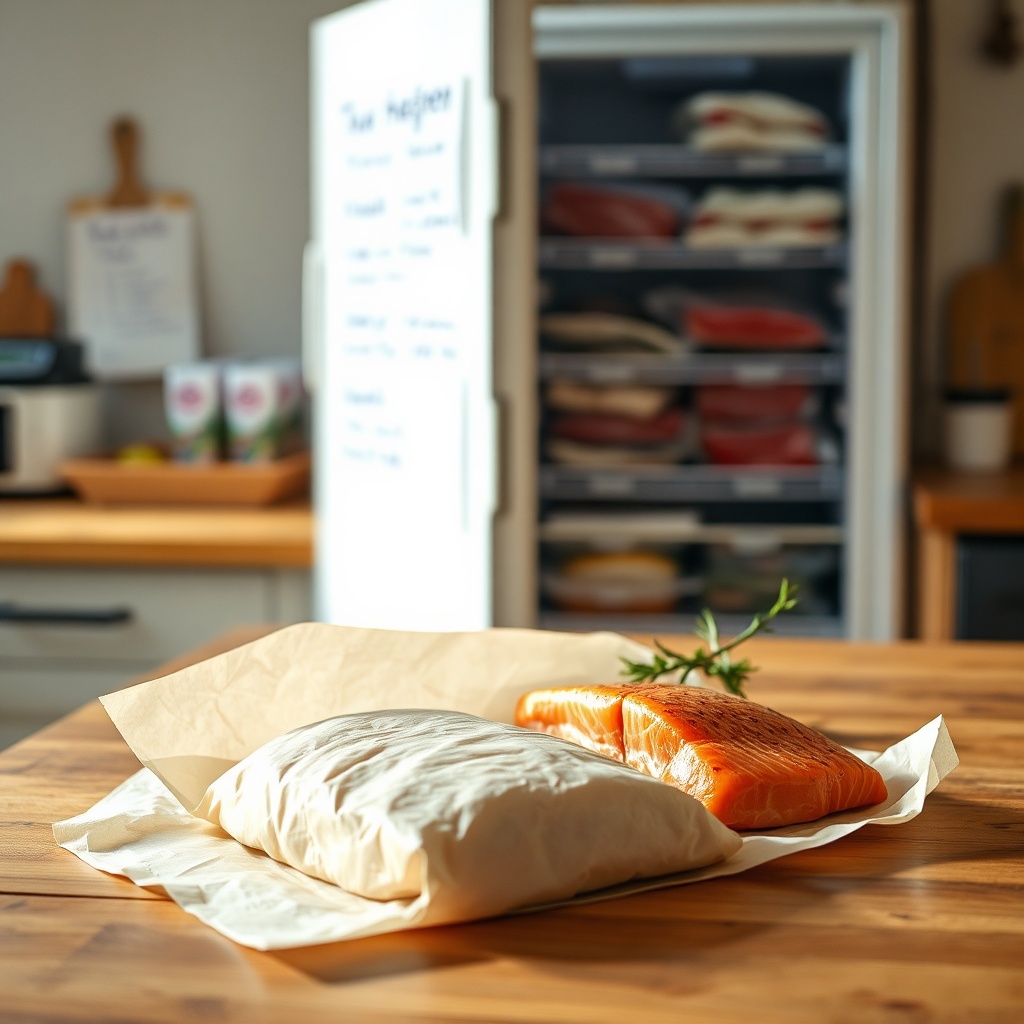
The Buffer Stock Paradox Why Strategic Reserve Thinking Keeps Your Kitchen Resilient
Learn why abandoning pantry buffers creates kitchen vulnerability. Discover the MealSolved 2+1 strategy to build food system resilience and reduce waste.
The Buffer Stock Paradox: Why Strategic Reserve Thinking Keeps Your Kitchen Resilient
In the wake of recent disruptions, like the 2025 cybersecurity breach at United Natural Foods, Inc. (UNFI), that left Minnesota grocery stores with empty shelves and scrambling for substitutions [1], home cooks are increasingly feeling the fragility of our modern "just-in-time" grocery dependency. This article explores how the MealSolved 2+1 strategy, with its embedded strategic redundancy, offers a smarter alternative by building resilience into our weekly meal planning.
The Lean Inventory Myth
The prevailing narrative around efficient household food management has championed lean, just-in-time inventory principles. However, this approach mirrors the vulnerabilities exposed in modern industrial supply chains. Abandoning all pantry buffers in pursuit of maximal "freshness" and minimal "clutter" creates a single point of failure in the household food system, leaving families vulnerable to disruptions that cause the most weeknight stress.
The Systems Thinking Behind Buffer Stocks
Households are microcosms of larger systems, and planning for food system disruptions is not just a government concern. A 2025 study from Johns Hopkins University validates the need for proactive planning at all levels, including the household [2]. The MealSolved 2+1 strategy embodies these resilience principles: diversity (two core fresh proteins + one freezer option) and redundancy (the freezer stock acts as a backup).
Debunking the Waste Myth
Critics argue that buffer stocks lead to waste. However, a November 2025 CUNY study found that food waste is driven more by behavioral patterns and poor meal planning than by simple stock levels [3]. Strategic, planned redundancy, like the intentional freezer rotation in the 2+1 strategy, reduces overall waste by mitigating the need for last-minute, impulsive grocery trips.
Food Resilience: More Than Just Stockpiling
True food resilience is about more than just stockpiling. It's about building skills, networks, and diversified sourcing [4]. The MealSolved system isn't about mindless hoarding; it's about empowering home cooks with strategic meal planning, dynamic inventory management, and a reliable personal supply network.
The MealSolved 2+1 Strategy in Action
Here's how the MealSolved 2+1 strategy builds resilience into your weekly meal plan:
- Plan around two fresh core proteins: This ensures variety and freshness in your meals.
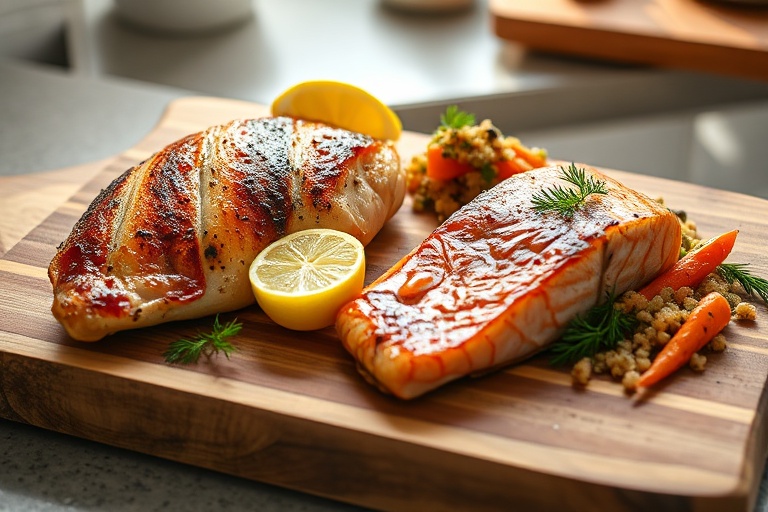
Example meal plan with two fresh proteins
- Add one freezer-breaker: This acts as your strategic reserve, providing backup when fresh proteins are unavailable.
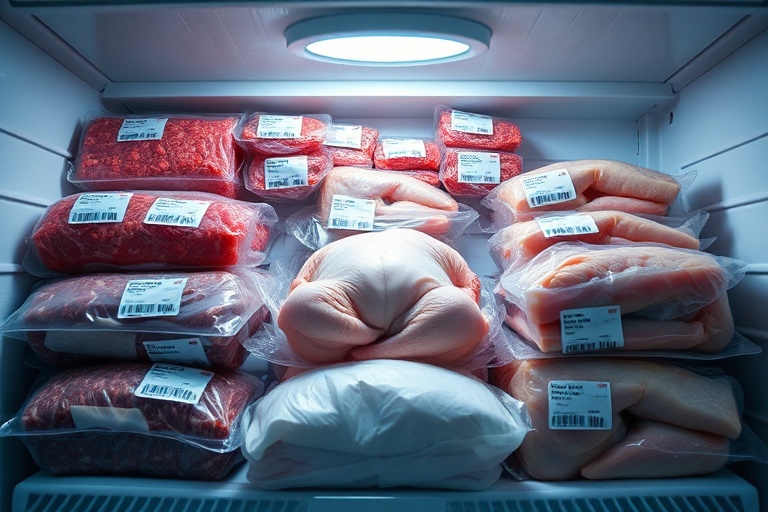
Example freezer inventory
- Rotate and manage your freezer inventory: Regularly use and replenish your freezer stock to maintain freshness and prevent waste.
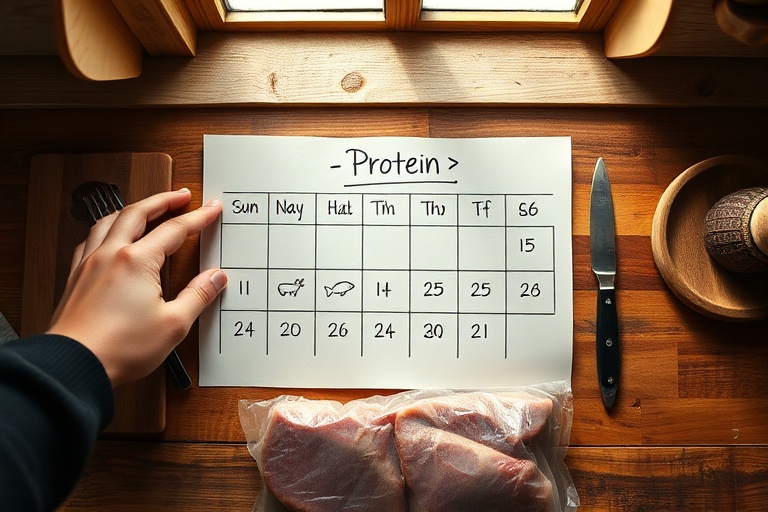
Example freezer rotation calendar
Key Takeaway: Embrace Strategic Reserve Thinking
"Embrace the freezer-breaker in your meal planning. It's not about hoarding; it's about building resilience and reducing waste. Your kitchen will thank you."
Sources
[1] Grocery Stores Face Disruptions After Major Supplier Breach
[2] Planning for Food System Disruptions