The Cognitive Food Safety Paradox How Structured Meal Planning Protects Your Family
Learn how the 2+1 meal strategy reduces decision fatigue and embeds food safety protocols to protect your family from foodborne illness.
The Cognitive Food Safety Paradox: How Structured Meal Planning Protects Your Family
The Growing Concern: More Home Cooking, More Foodborne Illnesses
Cooking at home is making a comeback, driven by economic factors and health goals. However, this trend comes with a significant challenge: more home cooking means greater responsibility for food safety. According to the Partnership for Food Safety Education, consumers need "guidance they can trust to practice food safety" to navigate this responsibility. Without structured systems, the convenience-driven mindset of today's home cooks can lead to skipped safety steps, increasing the risk of foodborne illnesses.
The Scale of the Problem: 9.9 Million Illnesses Annually
The Centers for Disease Control and Prevention (CDC) reports alarming statistics on foodborne illnesses in the United States. In 2025, 9.9 million domestically acquired foodborne illnesses were caused by six major pathogens, resulting in 53,300 hospitalizations and 931 deaths annually (HACCP Training). Norovirus led the list with 5.5 million illnesses, followed by Salmonella (1 million) and Campylobacter (0.8 million). These numbers highlight the urgent need for improved food safety practices in home kitchens.
Decision Fatigue: The Hidden Culprit in Home Kitchen Contamination
The psychological concept of decision fatigue sheds light on why exhausted home cooks compromise food safety. After a long day, the mental energy required to make one more decision - like checking a food's temperature or washing hands thoroughly - can feel overwhelming. This leads to shortcuts that increase the risk of foodborne illnesses (Medical Xpress).
The Organized Refrigerator: A Barrier to Microbial Growth
A study published in 2026 titled "Domestic Food Safety Risks: A Two-Year Assessment of Refrigerator Temperature Profiles and Surface Microbial Contamination" found significant deviations from safe temperatures in home refrigerators. The research also identified microbial contamination on refrigerator door handles and internal surfaces, including pathogens like E. coli (MDPI). This underscores the importance of maintaining organized, clean, and well-stocked refrigerators to minimize contamination risks.
The 2+1 Strategy: Structured Meal Planning for Food Safety
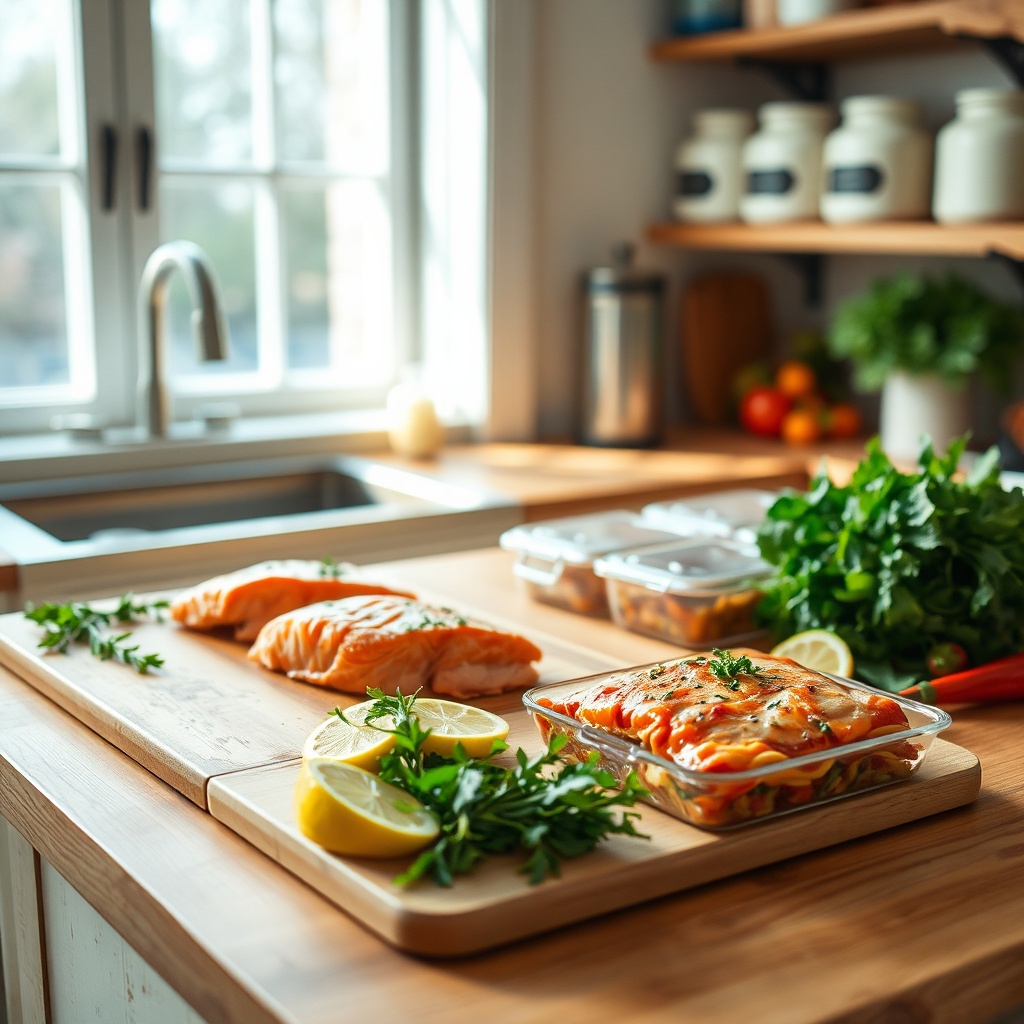
The 2+1 Strategy - planning meals around two fresh core proteins and one freezer backup - addresses the cognitive food safety paradox by reducing decision fatigue and embedding safety protocols into the meal planning system itself.
Predictable Protein Selection
By selecting two fresh core proteins and one freezer meal, the 2+1 Strategy reduces cognitive load. This preserves mental energy for safety protocols, ensuring that home cooks can focus on critical tasks like checking temperatures and practicing proper hygiene.
Integrated Safety Protocols
The 2+1 Strategy integrates food safety into its framework:
-
Proper Freezing: Freezing kills parasites and slows bacterial growth, reducing the risk of foodborne illnesses.
-
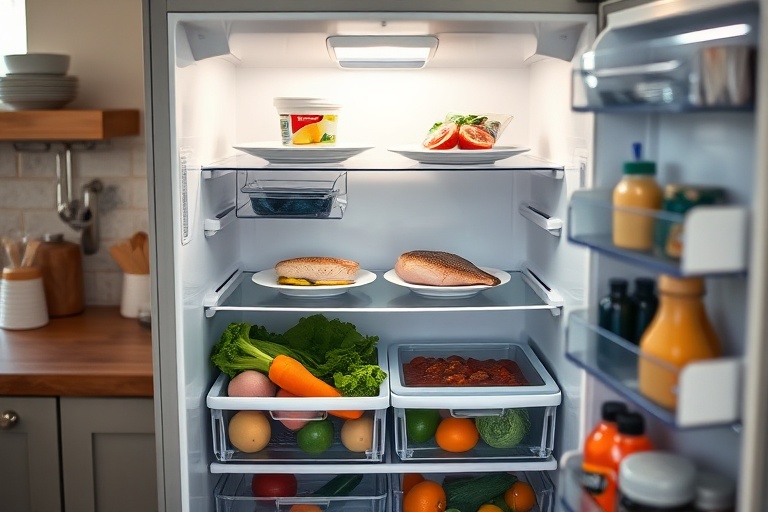
Organized Refrigerator Zones: Designating clear zones for different types of food (e.g., ready-to-eat on top, raw proteins at the bottom) minimizes cross-contamination.
-
Clear Shelf-Life Tracking: Monitoring and planning for the use of ingredients before they spoil reduces the risk of consuming unsafe food.
**
Example of a well-organized refrigerator using the 2+1 Strategy
Meal Planning Themes and Shortcuts: Convenience Meets Safety
The 2+1 Strategy also incorporates themes and shortcuts to make meal planning more convenient, addressing the "Convenience is King" trend identified by the Partnership for Food Safety Education. By providing a predictable framework and reducing the number of decisions home cooks must make, the 2+1 Strategy helps preserve mental energy for food safety tasks.
Key Takeaway
"Structured meal planning using the 2+1 Strategy is not just about convenience; it's a biological protection system that reduces decision fatigue and embeds food safety protocols into the home cooking experience. By planning meals around two fresh core proteins and one freezer backup, home cooks can minimize foodborne illness risks and enjoy the benefits of home cooking with greater peace of mind."