Revolutionize Your Kitchen Industrial Engineering Principles For Home Cooks
Apply Lean manufacturing, 5S, Kanban, and Just-in-Time principles to reduce kitchen waste, minimize decision fatigue, and streamline meal prep.
Revolutionize Your Kitchen: Industrial Engineering Principles for Home Cooks
MealSolved is here to transform your home cooking experience by applying industrial engineering principles to optimize your kitchen efficiency. By adopting strategies like Lean manufacturing, 5S methodology, Kanban systems, and Just-in-Time inventory management, you can reduce waste, minimize decision fatigue, and streamline your meal production. Let's dive into these innovative solutions and see how they can revolutionize your kitchen.
The 5S Methodology: Your Kitchen's Visual Management System
The 5S methodology, a core component of Lean manufacturing, is a powerful tool for organizing and maintaining a clean, efficient workspace. When applied to the kitchen, 5S creates a visual management system that reduces decision fatigue and improves overall flow. Let's break down each 'S' and see how it can be implemented in your home.
Sort - Eliminate Unnecessary Items
Start by removing items you no longer need or use. This could include expired products, broken appliances, or recipes you'll never cook. A clutter-free kitchen is the first step towards improved efficiency.
Straighten - Create a Place for Everything
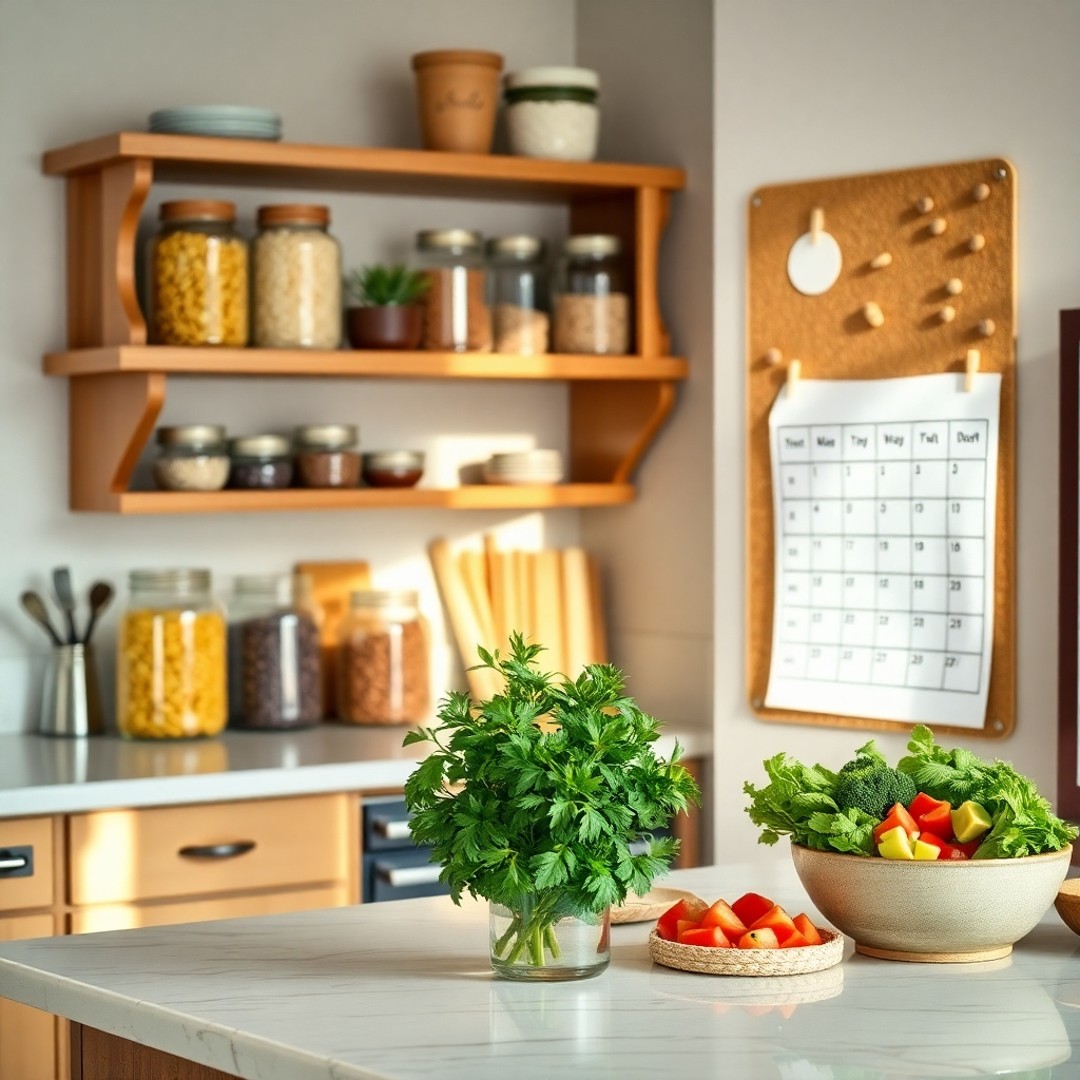
Designate specific locations for items based on frequency of use. Store everyday items within easy reach, and less-used items in higher or lower cabinets. Use clear containers and labels to maintain organization and make finding items a breeze.
Pro Tip: Consider using glass jars and clear containers to easily see contents and prevent mystery items from accumulating.
Shine - Clean and Inspect Regularly
Establish a cleaning routine to keep your kitchen space tidy and functional. Regularly wipe down counters, sweep the floor, and clean appliances to maintain a sanitary and inviting workspace.
Standardize - Maintain Consistency
Develop standard operating procedures (SOPs) for common tasks, like loading the dishwasher or putting away groceries. Consistent processes help maintain order and make it easier for family members to contribute to kitchen upkeep.
Sustain - Make Organization a Habit
Incorporate 5S into your daily routine to ensure long-term success. Assign specific tasks to family members or set aside dedicated time each week to maintain your kitchen's organized state.
Implementing 5S in your kitchen creates a visual management system that reduces decision fatigue and improves overall flow. By applying these principles, you'll save time shopping, reduce packaging waste, and make it easier to track inventory needs. To learn more about organizing your pantry using 5S, check out this practical guide: 5S for the Kitchen.
The Psychology of Decision Fatigue in the Kitchen
Before exploring industrial solutions, it's essential to understand the psychological challenge home cooks face: decision fatigue. A 2025 review from Nutrients journal validates this issue, showing that the cognitive burden of repeated food decisions leads to impulsive, less health-conscious choices 1.
On average, individuals make dozens to hundreds of food decisions daily, overwhelming working memory and leading to depleted self-control. This ego depletion increases reliance on automatic, impulsive responses that undermine healthy dietary intentions 1.
Industrial engineering principles offer systematic responses to this validated problem, creating efficient kitchen workflows that reduce decision fatigue and support healthier eating habits.
Industrial Inventory Management for Home Kitchens
Just-in-Time (JIT) inventory principles, widely used in grocery retail, can significantly improve home kitchen efficiency. By applying JIT concepts, households can minimize food waste, improve margins, and respond quickly to demand fluctuations 2.
Just-in-Time Inventory Management
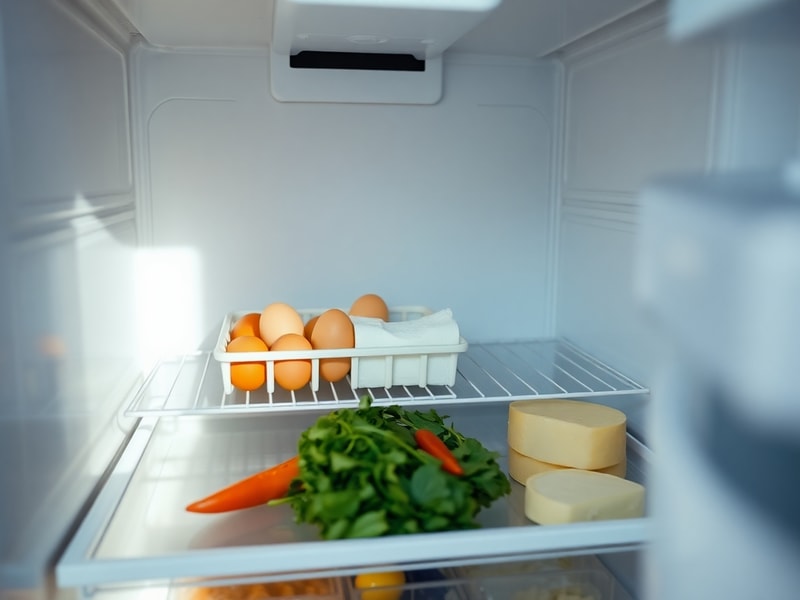
In the home kitchen, JIT principles help minimize food waste by purchasing only what's needed for immediate use while maintaining strategic reserves. This approach ensures you have fresh ingredients on hand without overstocking perishable items.
Pro Tip: Implementing JIT at home requires consistent execution. Just like in commercial settings, proper execution is essential for success and waste reduction.
The 2+1 Strategy: Your Home Kitchen's JIT System
At MealSolved, we've developed the 2+1 strategy to apply JIT principles to meal planning. By focusing on two fresh core proteins and one freezer-breaker, you can maintain a balanced inventory that adapts to your schedule and preferences.
-
Fresh Proteins (2): Plan your meals around two fresh core proteins to create a scheduled production run, ensuring you have ingredients on hand for the week.
-
Freezer-Breaker (1): Maintain a strategic inventory of freezer meals that serve as a buffer against unexpected events or busy schedules. This buffer prevents system breakdowns and reduces decision fatigue by providing convenient, low-effort meal options.
By combining JIT inventory management with the 2+1 strategy, you can create a sustainable, stress-free meal production system that adapts to real-life conditions.
Kanban Systems: Visual Inventory Management for the Home
Kanban inventory systems, another industrial workflow optimization technique, can significantly improve pantry management and reduce the mental load of tracking contents. By creating visual signals for regular-use products and establishing reorder points, you can maintain optimal inventory levels with minimal effort 4.
Visual Signals and Reorder Points
Create visual signals, such as Kanban cards or clearly labeled containers, for items you use regularly. Establish reorder points for each item based on your consumption rate and lead time for restocking. When your inventory reaches the reorder point, it's time to plan a restocking trip or place an online order.
The 2+1 Strategy as a Natural Kanban System
The 2+1 strategy functions as a natural Kanban system for your freezer inventory. When a freezer item is used, it triggers replacement planning, creating a self-regulating inventory system that adapts to your needs without requiring constant inventory checks.
Pro Tip: Industrial workflow principles create sustainable habits rather than requiring willpower-dependent discipline. By externalizing memory demands into physical or digital systems, you can reduce the mental load of tracking inventory and make meal planning more enjoyable.
The Anti-Pattern of Rigid Meal Planning
Before diving into industrial-inspired solutions, it's essential to understand why traditional meal planning systems often fail. A 2022 article from Triagemethod.com argues that most meal plans collapse because they're built for ideal conditions rather than real human lives, lacking flexibility for unpredictable schedules and changing preferences 3.
Rigid batch cooking approaches depend on "everything going according to plan," whereas industrial systems are designed to handle variability and disruption. To create a sustainable, stress-free meal production system, focus on building flexibility and adaptability into your workflow.
MealSolved: Industrial Engineering for the Home Kitchen
At MealSolved, we've developed a meal-planning system that combines industrial efficiency concepts with a deep understanding of human psychology. By applying Lean manufacturing, 5S methodology, Kanban systems, and Just-in-Time inventory management, we've created a flexible, adaptable solution that reduces waste, minimizes decision fatigue, and supports healthier eating habits.
Our 2+1 strategy, built on industrial principles, works with human psychology rather than against it. By incorporating buffers and flexibility into your meal planning, you can create a kitchen ecosystem that adapts to real-life conditions and supports a sustainable, stress-free cooking experience.
Key Takeaway
Embracing industrial engineering principles in the home kitchen can revolutionize your cooking experience by reducing waste, minimizing decision fatigue, and improving overall efficiency. By applying 5S methodology, Kanban systems, Just-in-Time inventory management, and the MealSolved 2+1 strategy, you can create a sustainable, stress-free meal production system that adapts to your needs and supports healthier eating habits.
Sources

 Source: 5S for the Kitchen

 Source: Simple Kanban Systems to Set Up at Home


Source: Just-in-Time Inventory in Grocery Retail

Source: MealSolved