The Present Bias Grocery Gamble How Impulsive Buying Costs Households 1500 In Annual Food Waste
Beat impulsive grocery buying with the 2+1 meal planning system. Learn how present bias costs $1,500 in annual food waste and reclaim your budget.
The Present Bias Grocery Gamble: How Impulsive Buying Costs Households $1,500 in Annual Food Waste
**
The Cognitive War in Your Shopping Cart
Welcome to the kitchen, where every meal is a battle won—and lost—in the war against present bias. This invisible foe, lurking in the aisles of your local supermarket, is costing American households dearly: approximately $1,500 annually in wasted food. But fear not, brave shopper! Today, we're arming you with the strategic 2+1 meal planning system to outsmart your brain's impulsive tendencies and reclaim your grocery budget.
The Science Behind Impulsive Buying
Before we dive into the 2+1 strategy, let's understand the enemy. Present bias, a well-documented cognitive phenomenon, explains why we prioritize immediate satisfaction over long-term planning. In the context of grocery shopping, this means we're more likely to buy what we want right now rather than what we'll need later.
Did you know? Recent 2025 research in Frontiers in Psychiatry demonstrates that impulsive grocery buying isn't just poor planning—it's a measurable cognitive impairment in response inhibition. Compulsive buyers showed 4 times faster decision-making and spent 17% more than non-compulsive buyers in controlled experiments, revealing the neuropsychological mechanism behind over-purchasing.

**
The Financial Toll of Present Bias
Now, let's talk numbers. The 2026 food waste statistics report paints a stark picture of the direct financial impact of impulsive grocery behavior.
Shocking Statistic: American households literally throw away $1,500 worth of groceries annually—not because they intend to waste, but because impulse purchases and aspirational buying create pantry inventory that spoils before use. This represents the direct financial penalty for unstructured grocery shopping. Source
Present Bias in Action: The Delivery Dilemma
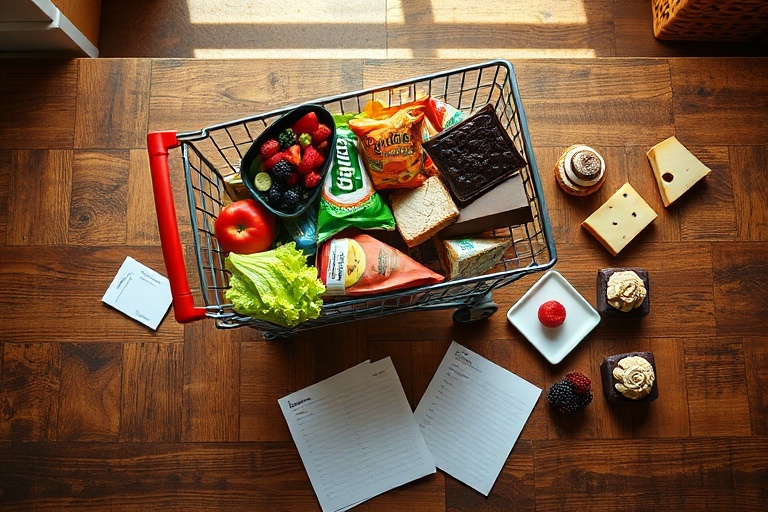
Let's consider the humble online grocery order. As delivery time decreases, our carts fill up with more "want" items and fewer "should" items.
Present Bias in Action: Psychologists call this 'present bias'—our brain's tendency to prioritize immediate satisfaction over future benefits. Studies show that when ordering groceries for delivery, each day closer to delivery increases 'want' items by 15% while decreasing 'should' items. By the time groceries arrive, the cart bears little resemblance to the healthy, economical plan made five days prior. Source

**
The 2+1 Strategy: Your Cognitive Shield Against Impulsive Buying
Enter the 2+1 meal planning system, your secret weapon against present bias. This simple, structured approach helps you outsmart your brain's impulsive tendencies while maintaining culinary excitement.
The 2+1 Formula: Fresh Proteins + Freezer-Breaker = Waste-Free Victory
The 2+1 strategy is built on two core principles:
-
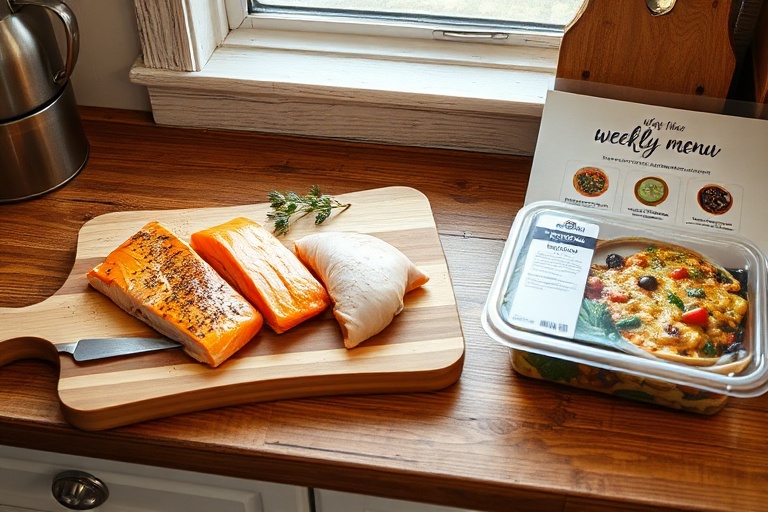
Plan around two fresh core proteins: By focusing on two proteins for the week, you create a manageable, efficient shopping list that minimizes impulse buys.
-
Include one freezer-breaker: Incorporating a freezer-friendly meal into your plan provides flexibility when life throws you a curveball, preventing panic purchases when plans change.
**
The Freezer: Your Strategic Nutritional Buffer
But what about the freezer? Isn't frozen food inferior? Not so fast.
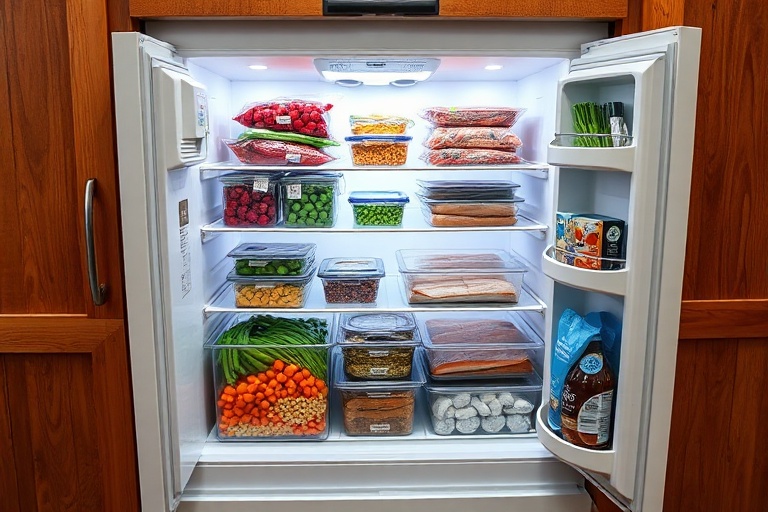
Freezer Surprise: The 2025 nutrition science confirms that flash-frozen produce actually preserves more nutrients than fresh items that have endured days of transport and storage. This data legitimizes the freezer-breaker as a nutritional asset, not a compromise—allowing you to maintain variety without sacrificing nutrition while providing the flexibility buffer that prevents panic purchases when plans change. Source
Just-In-Time Inventory Management for Your Kitchen
Think of the 2+1 strategy as bringing professional-grade inventory management to your home kitchen. Just as industrial grocery chains use just-in-time (JIT) inventory systems to minimize waste and improve margins, you too can align your grocery inventory with real demand.
Industrial Efficiency at Home: As Upshop's retail analysis explains, JIT 'reduces excess stock by aligning inventory more closely with real demand,' exactly what the 2+1 Strategy accomplishes at home: limiting fresh liability to two core proteins while using the freezer as a strategic buffer against both spoilage and decision fatigue.
**
Key Takeaway: Plan, Protect, and Prosper
The 2+1 meal planning system is more than just a grocery list—it's a cognitive guardrail that protects your budget, your time, and your sanity from the perils of present bias.
Pro Tip: By committing to the 2+1 strategy, you'll not only save $1,500 annually but also reduce decision fatigue, minimize waste, and maintain culinary excitement. It's a win-win-win!
So, the next time you find yourself reaching for that extra bag of chips, remember: you're not just fighting for your waistline—you're fighting for your financial future. And with the 2+1 strategy in your corner, victory is within reach.
Happy shopping, and happy cooking!