The Thermal Physics Kitchen Paradox Revolutionize Cooking Efficiency And Nutrition
Apply thermal physics to transform cooking! Master heat transfer for perfect 2+1 meals that save energy, boost nutrition & slash waste. #PhysicsOfCooking
The Thermal Physics Kitchen Paradox: Revolutionize Cooking Efficiency and Nutrition
Welcome to the kitchen, where the laws of physics meet culinary creativity. Today, we're diving into the fascinating world of thermal physics and exploring how understanding heat transfer principles can transform your cooking experience, enhance nutrition, and reduce waste. By applying a few simple physics concepts, you can optimize your 2+1 meal strategy, making your kitchen a more efficient, safer, and healthier space.
The Physics of Cooking: Heat Transfer in the Kitchen
At its core, cooking is applied thermal physics. It's all about moving heat energy from a source (like your stove) to your food, and understanding the three fundamental heat transfer mechanisms – conduction, convection, and radiation – is key to mastering this process.
Conduction: The Heat Within
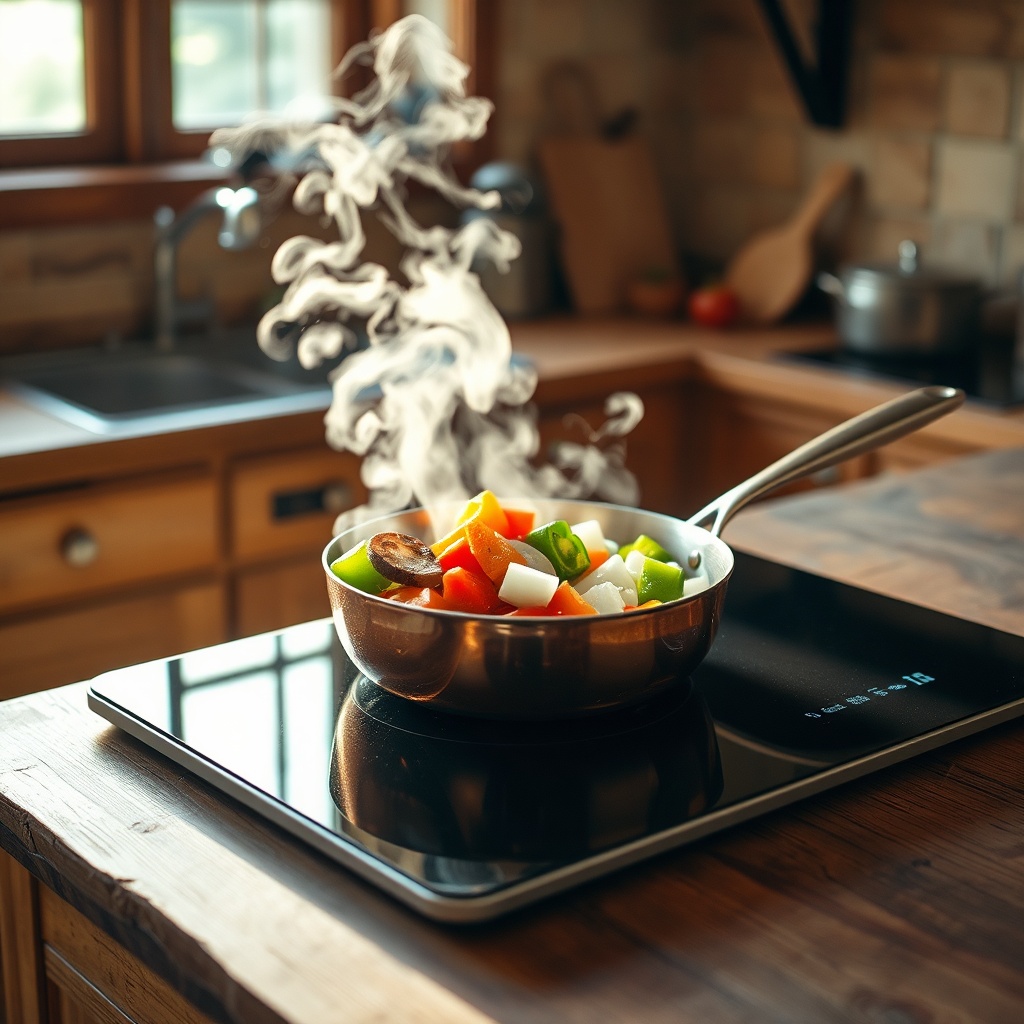
Conduction occurs when heat moves through direct physical contact between objects. In the kitchen, this means heat travels from your burner through your pan to your food. The material and thickness of your pan play a significant role in how efficiently heat is conducted. For instance, copper-bottomed pans have excellent thermal conductivity, ensuring even heat distribution and reducing energy waste [1].
Convection: The Heat Around
Convection happens when heat is transferred through liquids or gases in motion. In cooking, this could be the hot air in your oven or the simmering liquid in your pot. Understanding convection helps you control cooking times and temperatures, preventing overcooking and nutrient loss.
Radiation: The Heat Without Touch
Radiation is heat transfer through electromagnetic waves, independent of a medium. Your oven's broiler is an excellent example of radiant heat, which can quickly brown and caramelize food. Understanding radiation helps you optimize cooking times and reduce energy use.
The Role of Equipment in Thermal Physics
The right equipment can amplify your understanding of thermal physics, making your 2+1 meal strategy even more efficient.
Induction Cooking: The Electromagnetic Revolution
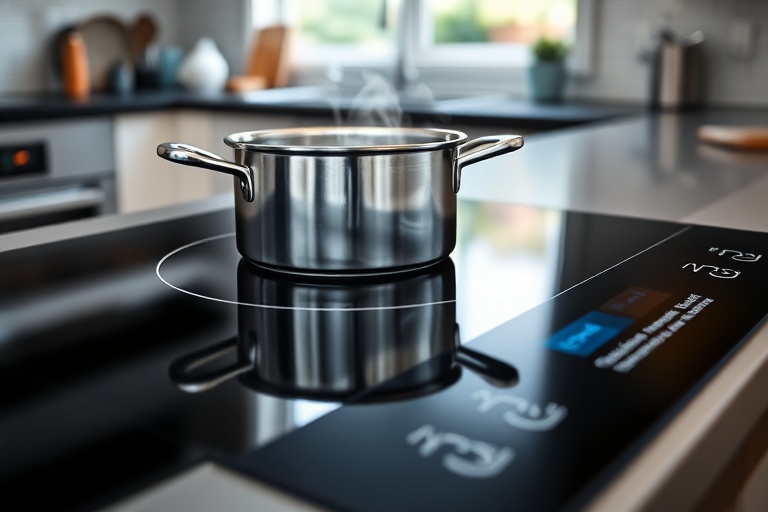
Induction cooking uses electromagnetic energy to heat cookware directly, eliminating the need for a heating element. This results in 90% efficiency, compared to 40% for gas and 74% for traditional electric stoves [2]. Induction cooktops provide precise temperature control and eliminate combustion byproducts, making them a sustainable and safe choice for your kitchen.
The Impact of Thermal Physics on Nutrition and Waste
Understanding thermal physics isn't just about saving energy; it's also about preserving nutrients and reducing waste.
The Physics of Browning: Maillard Reaction and Nutrient Quality
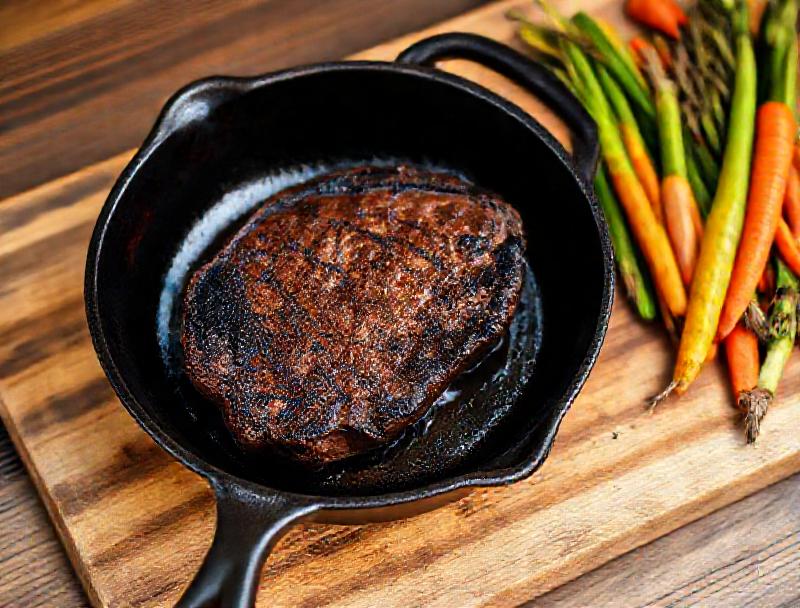
The Maillard reaction, a chemical process between amino acids and reducing sugars, creates desirable flavors and nutrients in cooked foods. This reaction occurs optimally within a specific temperature range (140-165°C), highlighting the importance of precise temperature control [3]. Understanding thermal gradients within food helps you balance cooking times, preventing overcooking and nutrient loss.
Food Waste: The Thermal Physics Perspective
Improper cooking techniques contribute significantly to food waste. Overcooking, uneven heating, and poor storage practices waste thermal energy and valuable ingredients. By applying thermal physics principles, you can reduce waste through better cooking timing, temperature control, and storage, complementing your 2+1 meal strategy [4].
Key Takeaway: Physics in the Kitchen
Understanding and applying thermal physics principles in the kitchen can revolutionize your cooking experience. By optimizing heat transfer, you can enhance flavor, preserve nutrients, reduce waste, and create a safer, more efficient cooking environment. So go ahead, embrace the physics of cooking, and make your 2+1 meal strategy even more powerful!
Pro Tip: Invest in a high-quality, induction-ready pan with excellent thermal conductivity, and you'll be well on your way to a more efficient, physics-driven kitchen.
Sources
[1] Physics of Cooking: Heat Transfer in the Kitchen
[2] Induction Stove Cooking: Sustainable, Efficient, and Safer
[3] The Maillard Reaction in Food Processing
[4] How Much Food Do Households Waste? New and Improved Residential Food Waste Estimates