The Efficiency of Scale: How to Execute the '2 Fresh Proteins' Strategy Without Losing Your Weekend
Stop spending Sundays meal prepping. Learn the supply chain logic behind the '2 Fresh Proteins' strategy to maximize ROI on kitchen time.
The Sunday Prep Trap
There is a pervasive myth in the home cooking world: to eat well during the week, you must sacrifice your Sunday to the altar of Tupperware. We visualize the “responsible adult” spending six hours chopping, roasting, and portioning five distinct recipes while the rest of the world relaxes. This is not efficiency; this is poor resource allocation.
In manufacturing and software engineering, we understand the concept of Context Switching. Every time you switch tasks—from chopping onions for a stew to marinating steak for tacos—you incur a cognitive penalty. A study by the American Psychological Association indicates that shifting between tasks can cost as much as 40% of someone's productive time. In the kitchen, this manifests as decision fatigue, a sink full of disparate dirty dishes, and burnout by Tuesday.
The Supply Chain Fix: The '2 Fresh' Protocol
MealSolved applies supply chain logic to the home fridge. Instead of shopping for five separate recipes (the “Just-in-Time” model, which is fragile in a home environment), we utilize the 2 Fresh Proteins Strategy.
The rules are simple:
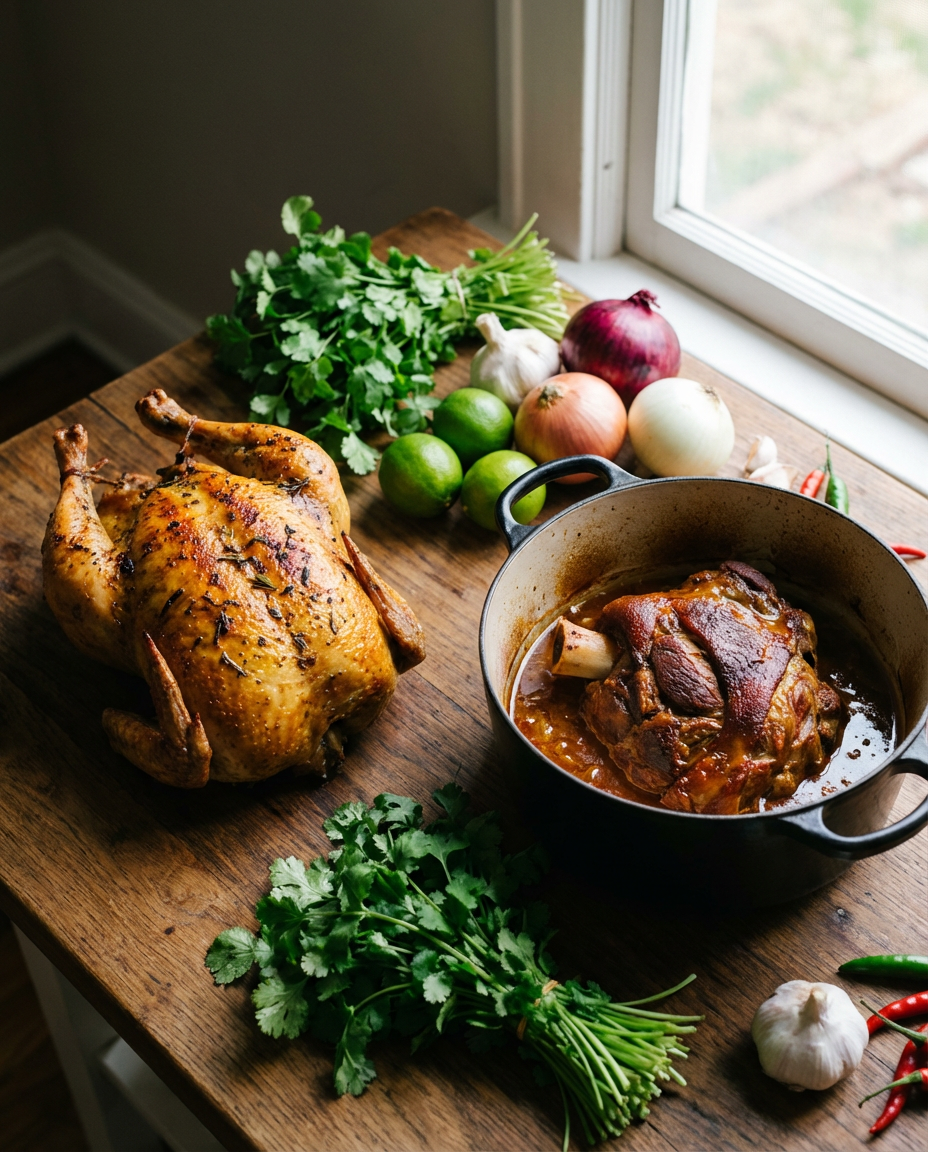
- Select two core proteins for the week (e.g., a 4lb Pork Shoulder and two whole Roast Chickens).
- Batch process them immediately upon purchase or during a single, short “Power Hour.”
- Diverge the assets downstream.
By focusing on volume cooking of neutral bases, you gain the Efficiency of Scale. It takes marginally the same amount of effort to roast two chickens as it does one. However, the ROI triggers massive time savings later in the week.
Execution: Diverging the Assets
Let's look at the breakdown. You have effectively created a strategic reserve of high-quality protein. Now, the modular application begins. This effectively eliminates food waste, a critical metric considering the USDA estimates 30-40% of the food supply is wasted, much of it at the consumer level due to poor planning.
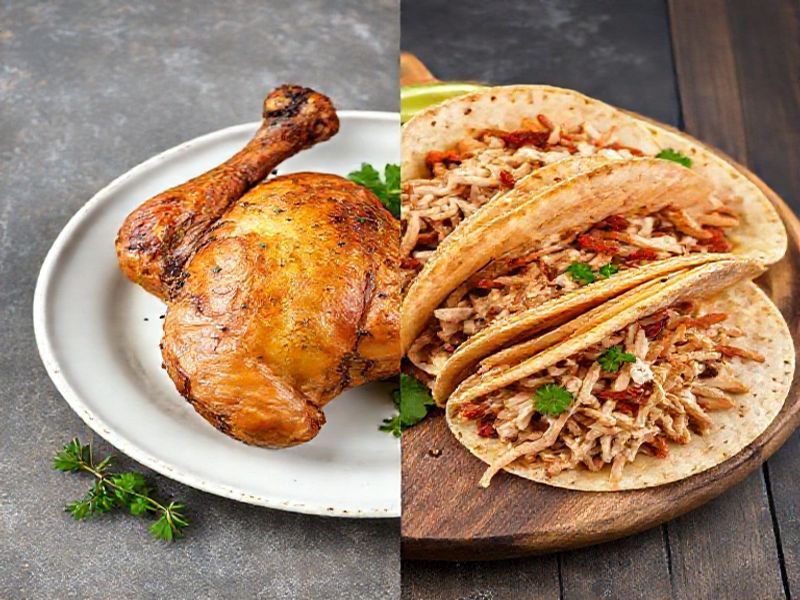
Protein A: The Roast Chicken
- Night 1: Classic roast dinner with root vegetables (Cook once).
- Night 2: Shredded chicken tacos with salsa verde (Assembly only).
- Night 3: Chicken and wild rice soup utilizing the carcass for stock (Utilization phase).
Protein B: The Pork Shoulder
- Night 4: Carnitas bowls with slaw.
- Night 5: Cubano sandwiches (Pressed and toasted).
The Verdict
By standardizing your inputs (the proteins) and varying your outputs (the flavor profiles/sides), you reduce the “mental load” of cooking. You aren't asking “What’s for dinner?” You are simply asking, “How should I deploy the chicken tonight?”
This is how we operationalize the kitchen. Stop cooking meals. Start managing inventory.