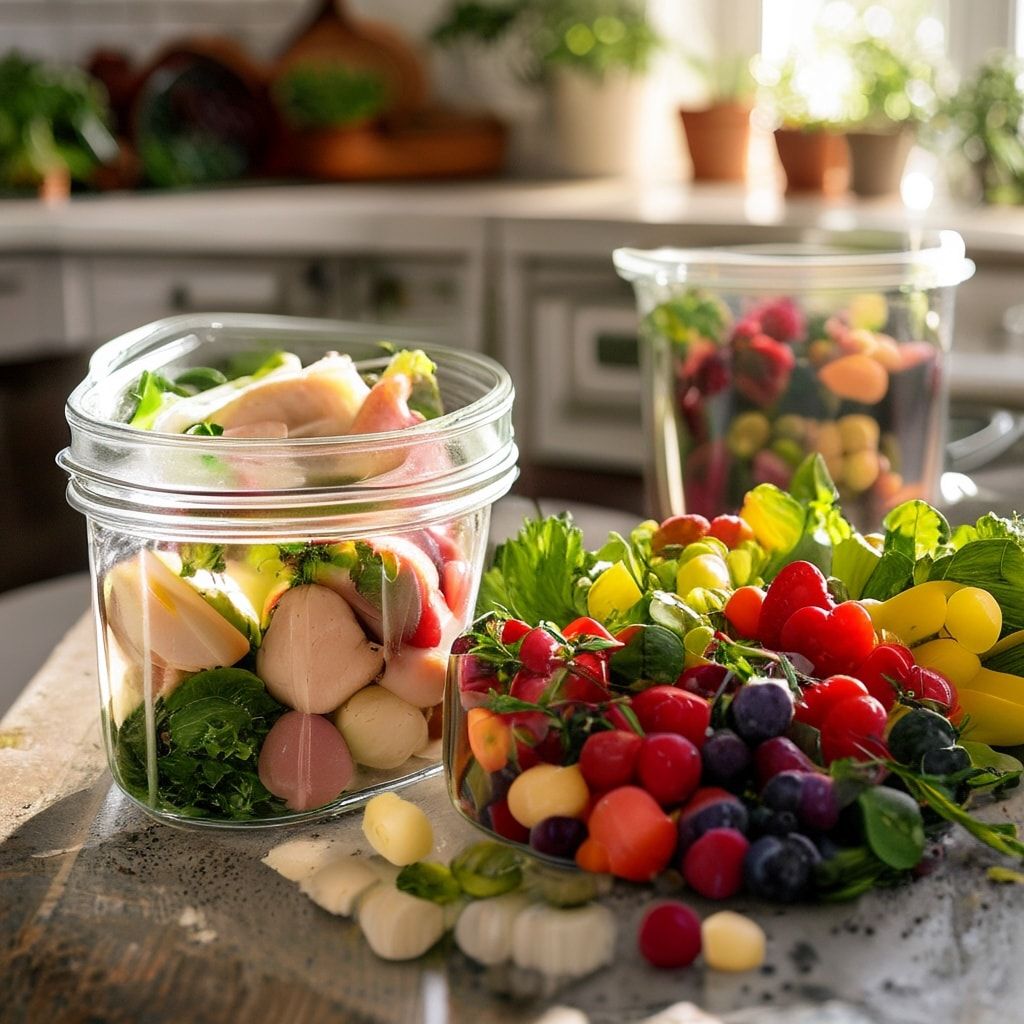
The Nutritional Physics Paradox Why Flash Frozen Foods Outperform Fresh
Discover the science behind flash-frozen foods vs. fresh. Learn how the 2+1 freezer-breaker strategy boosts nutrition, cuts waste & saves money.
The Nutritional Physics Paradox: Why Flash-Frozen Foods Often Outperform "Fresh" in Vitamin Retention and How This Supports the 2+1 Freezer-Breaker Strategy

**
Introduction
In the quest for optimal nutrition and efficient meal planning, we often assume that "fresh" produce is always the best choice. However, recent scientific research reveals a fascinating paradox: flash-frozen foods, processed immediately after harvest, can retain up to 95% of their original nutrients, often outperforming "fresh" produce that has been sitting on store shelves for days. This article explores the science behind this nutritional physics paradox and demonstrates how the 2+1 meal planning strategy leverages this knowledge to support nutritional quality, reduce waste, and minimize decision fatigue.
The Freshness Myth: Nutrient Degradation in Produce
**
Conventional wisdom dictates that fresh produce is nutritionally superior. However, a comprehensive 2025 review from the journal "Foods" challenges this assumption. The study, titled "Nutrient Degradation in Fresh-Cut Produce During Transportation and Storage," examines the mechanisms of nutrient loss in fresh-cut fruits and vegetables [1].
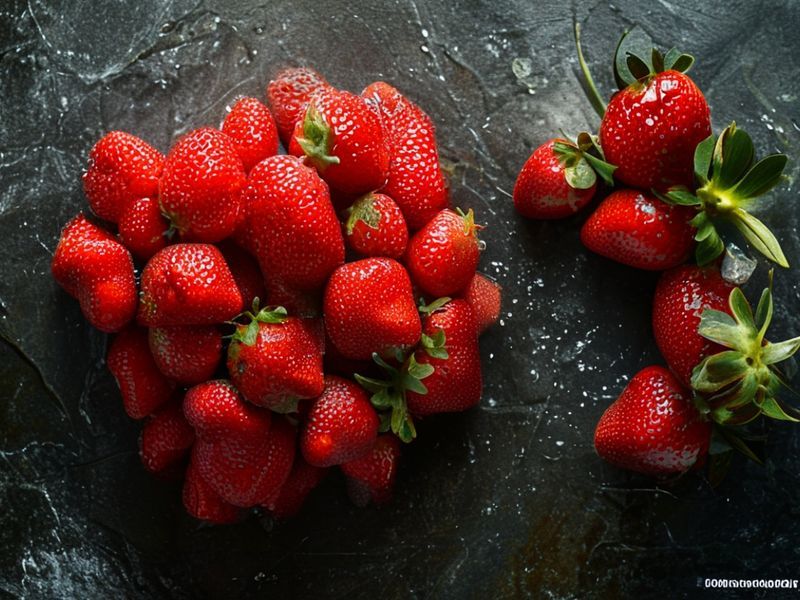
The research reveals that fresh produce begins to deteriorate immediately after harvest and processing due to enhanced ethylene production, increased respiration rates, and oxidative stress from cutting and processing. This results in rapid nutrient loss, with some studies reporting up to 77% vitamin C content loss in fresh-cut strawberries within a week [1].
The Freezer's Secret: Preserving Nutritional Quality
**
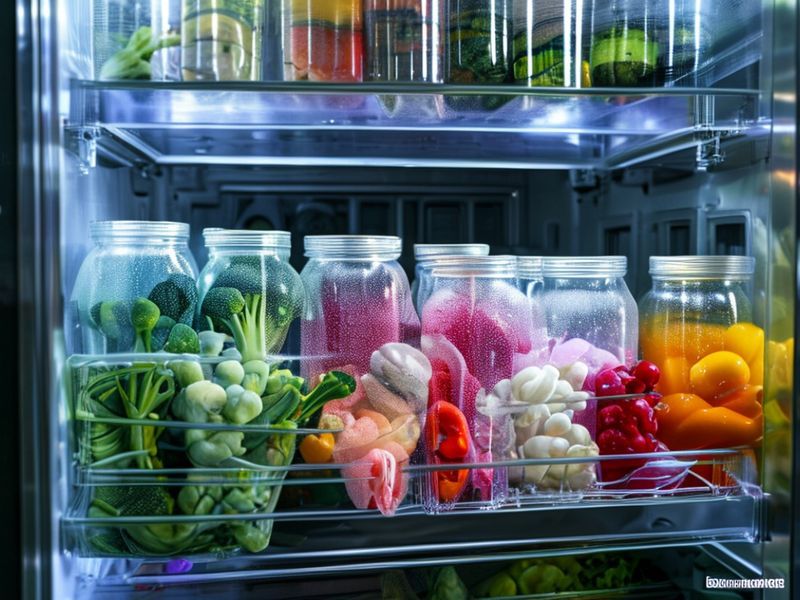
Contrary to popular belief, freezing can be a powerful ally in preserving nutritional quality. When produce is flash-frozen shortly after harvest, it retains up to 90-95% of its original nutrient content [2]. This is because the freezing process locks in nutrients, preventing the enzymatic reactions that cause degradation in fresh produce over time.
Moreover, freezing also allows for more efficient distribution and reduced waste. Frozen produce can be stored for longer periods without significant nutrient loss, reducing the risk of spoilage and waste. This is particularly relevant in the context of the 2+1 meal planning strategy, which incorporates a "freezer-breaker" component to provide backup meals and minimize waste.
The Economic Argument: Reducing Food Waste with Strategic Freezer Use
**
The economic benefits of strategic freezer use are compelling. According to a 2025 EPA report, the average American consumer wastes $728 annually on uneaten food, with households of four wasting $2,913 per year [3]. This represents a significant financial drain that can be mitigated through efficient meal planning.
The 2+1 strategy directly addresses this issue by promoting strategic freezer use. By planning meals around two fresh core proteins and one freezer-breaker, home cooks can reduce waste, minimize impulse purchases, and optimize their food budget.
The Psychological Benefits of Structured Meal Planning

**
The psychological benefits of structured meal planning are often overlooked but no less significant. A 2025 article from The Online GP explores the concept of "food noise" - persistent intrusive thoughts about food that create decision fatigue [4]. The article cites research showing that structured meal planning reduces food-related decision-making by up to 80%, freeing significant mental resources.
The 2+1 strategy capitalizes on this psychological advantage by promoting consolidated planning sessions and reducing daily decision points. This not only improves food choice quality but also prevents impulse purchases and waste.
Key Takeaway: Embracing the Freezer for Nutritional Quality and Efficiency
"Embrace the freezer as a nutritional ally. Strategic use of flash-frozen foods in your meal planning can enhance nutritional quality, reduce waste, and minimize decision fatigue. The 2+1 strategy's freezer-breaker component is not just a convenience; it's a nutritional and economic necessity in today's food landscape."
Sources
[1] PMC.ncbi.nlm.nih.gov/articles/PMC12385714/ [2] www.epa.gov/system/files/documents/2025-04/costoffoodwastereport_508.pdf [3] word-and-deed.org/2015/11/18/kitchen-kanban-a-flavourful-introduction-to-kanban-and-lean-principles/ [4] www.theonlinegp.com/blog/breaking-free-from-food-noise-the-science-behind-constant-food-thoughts-and-why-meal-planning-changes-everything