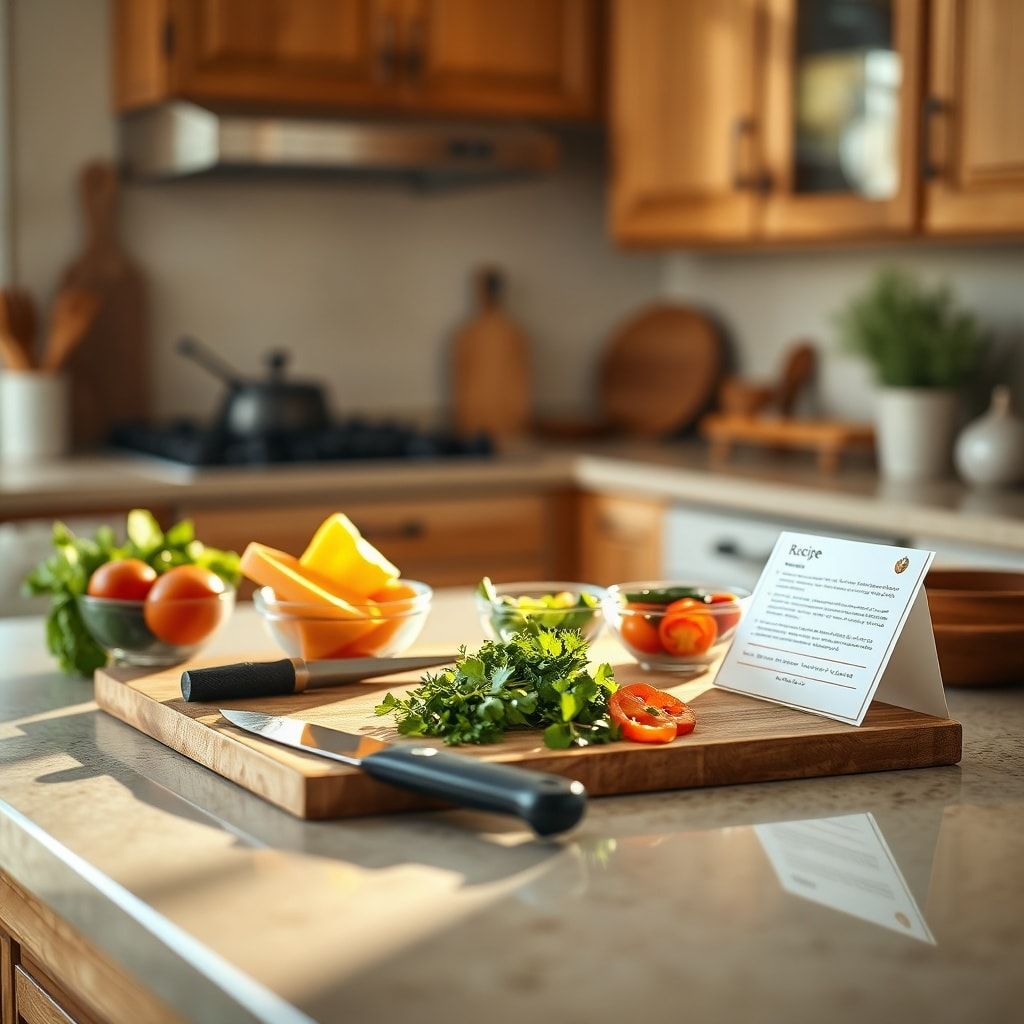
The Industrial Kitchen Revolution Optimizing Meal Planning With Jit Kanban And Lean Six Sigma
Transform chaotic home cooking into an optimized system. Use factory-proven strategies like JIT, Kanban, and Lean Six Sigma to eliminate waste and decision fatigue.
The Industrial Kitchen Revolution: Optimizing Meal Planning with JIT, Kanban, and Lean Six Sigma
Transform your home cooking from chaotic to optimized with these factory-proven strategies.

Introduction
In the quest for a more efficient and enjoyable home cooking experience, look no further than the principles that have revolutionized manufacturing: Just-In-Time (JIT) inventory, Kanban visual workflow systems, and Lean Six Sigma waste reduction. By adapting these industrial strategies to our kitchens, we can eliminate decision fatigue, maximize food quality, and minimize waste. Let's dive into how these methodologies can transform your meal planning and cooking routines.
Just-In-Time Inventory Management for Your Kitchen
Just-In-Time inventory management ensures that you have exactly what you need, when you need it, and nothing more. In the kitchen, this means buying and preparing food in small, frequent batches rather than trying to cook a week's worth of meals at once.

Key Takeaway: JIT inventory in the kitchen reduces waste, saves money, and prevents burnout.
How to Implement JIT in Your Kitchen
-
Plan Meals for the Week: Schedule meals for the next 7 days, focusing on two fresh core proteins and one freezer-breaker for backup.
-
Shop Frequently: Grocery shop every 3-4 days to ensure fresh ingredients and prevent overbuying.
-
Cook and Preserve: Prepare meals in small batches, preserving leftovers for later use.
Kanban Visual Workflow Systems for Meal Planning
Kanban systems use visual cues to manage and optimize workflows. In the kitchen, this translates to clear, visible meal plans that everyone in the household can understand and contribute to.
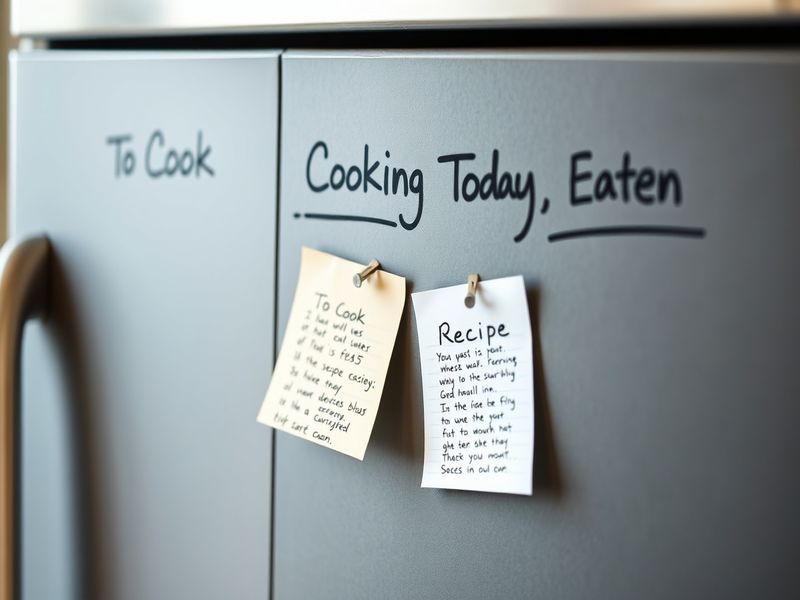
Pro Tip: Use a physical or digital Kanban board to track meals, ingredients, and cooking progress.
Setting Up Your Meal Planning Kanban
-
Columns: Create columns for "To Cook," "Cooking Today," "In Progress," and "Eaten."
-
Cards: Write each meal on a card, listing ingredients and cooking instructions.
-
Movement: Move cards through the columns as meals progress from planning to consumption.
Lean Six Sigma Waste Reduction in the Kitchen
Lean Six Sigma aims to eliminate waste in all its forms. In the kitchen, this means reducing food waste, minimizing effort, and maximizing nutritional value.
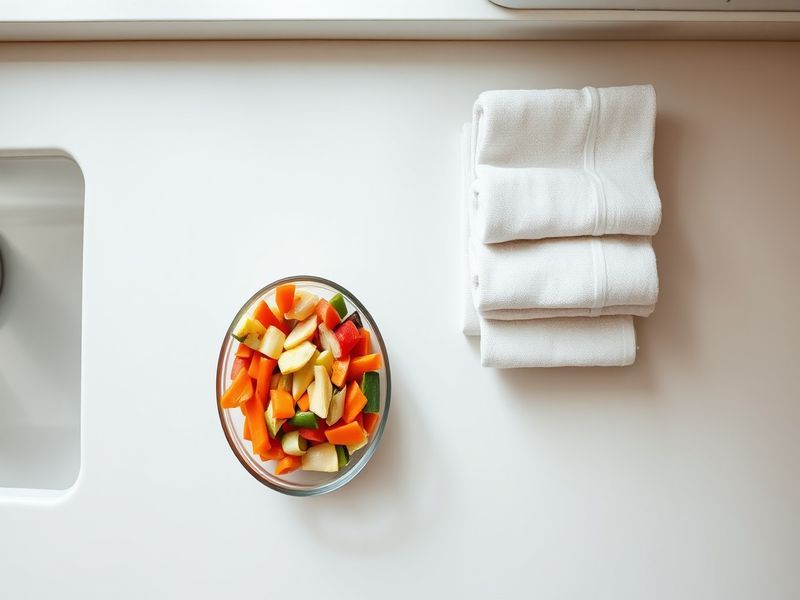
Key Takeaway: Applying Lean Six Sigma principles to meal planning reduces waste, saves money, and improves overall kitchen efficiency.
Identifying and Eliminating Kitchen Waste
-
Overproduction: Avoid cooking more than you need by using a JIT approach.
-
Inventory Issues: Monitor and manage your pantry and refrigerator inventory to prevent spoilage.
-
Defects: Minimize cooking errors by using clear recipes and proper equipment.
-
Overprocessing: Streamline cooking processes to save time and effort.
-
Waiting: Plan meals and organize your kitchen to minimize idle time.
-
Transportation: Store ingredients and tools efficiently to reduce search time.
-
Motion: Optimize cooking movements to save time and energy.
-
Excess Inventory: Regularly review and adjust your meal plan to avoid excess ingredients.
The Power of Freezer Inventory in Meal Planning
Freezer inventory serves as a buffer against shrinkflation, grocery inflation, and meal planning uncertainty. By maintaining a well-stocked freezer, you can ensure a steady supply of high-quality proteins and reduce the impact of external factors on your meal planning.
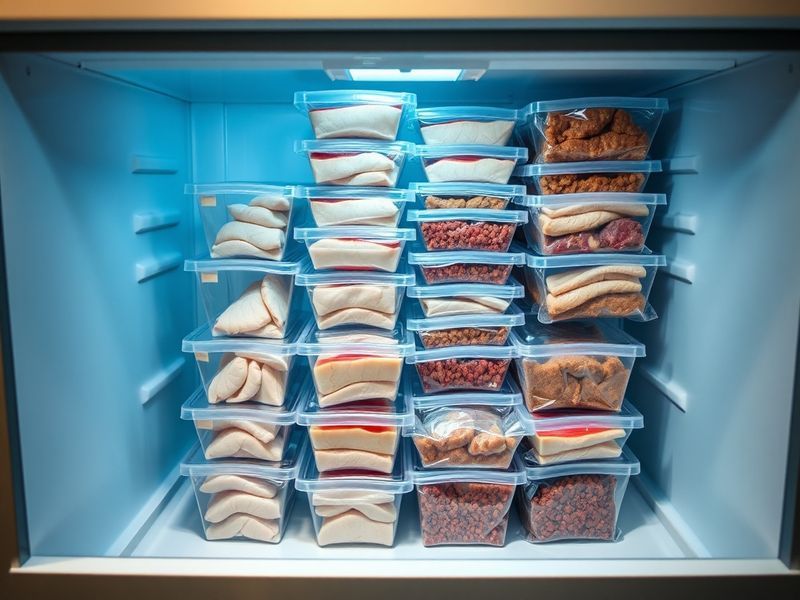
Pro Tip: Freeze proteins in meal-sized portions for easy, efficient cooking.
MealSolved: Your Guide to Industrial Kitchen Efficiency
MealSolved is designed to help you apply these industrial principles to your home cooking, making it easier, more efficient, and less stressful. By focusing on two fresh core proteins and one freezer-breaker, MealSolved helps you:
-
Reduce decision fatigue with structured meal planning
-
Minimize waste through Just-In-Time inventory management
-
Save money by optimizing grocery shopping and reducing food waste
-
Improve overall kitchen efficiency with clear, visual workflows