The Chronobiochemical Paradox Why Your Fresh Vegetables Are Biologically Deader Than Frozen
Discover why frozen produce often beats 'fresh' on nutrition. A data-backed guide to smarter food choices that reduce waste and mental load.
The Chronobiochemical Paradox: Why Your "Fresh" Vegetables Are Biologically Deader Than Frozen
**
The Fresh Fallacy: The Invisible Degradation
Have you ever wondered why, despite your best efforts to buy fresh produce, your vegetables seem to lose their vibrancy and nutritional value so quickly? The answer lies in the invisible degradation that begins as soon as produce is harvested. This isn't just about aesthetics; it's about nutrient loss that impacts your health and undermines the "fresh is best" mantra.
Pro Tip: Understand that the clock starts ticking on nutrient degradation from the moment your produce is picked.
The Refrigerator Paradox
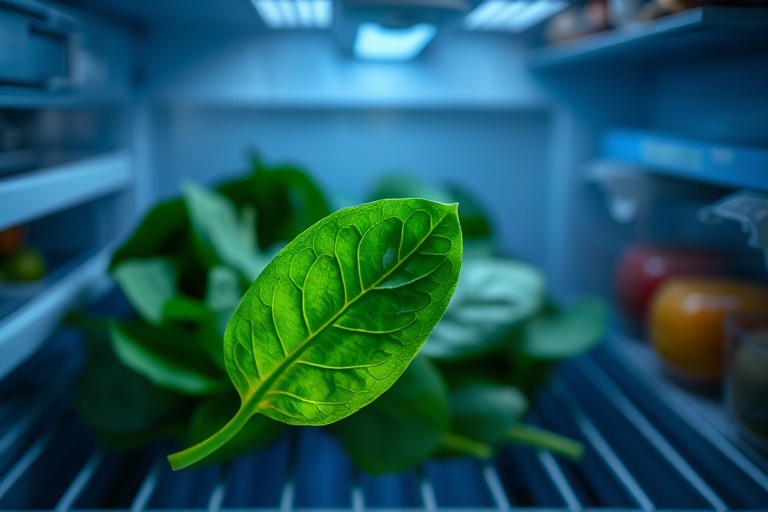
Spinach, for instance, loses a staggering 75% of its vitamin C within just 7 days of refrigeration.1 That's right; your "fresh" spinach is losing nutrients at an alarming rate, even in the cool of your fridge. This isn't a knock on refrigeration; it's a testament to the relentless march of time and chemistry.
**
The Harvest Hurry
The nutrient loss doesn't stop at the farm. Transport, storage, and display at the supermarket all contribute to the degradation. By the time that "fresh" produce reaches your plate, it's often a shadow of its former nutritional self.
The Freezer's Secret: Nutritional Time Capsules
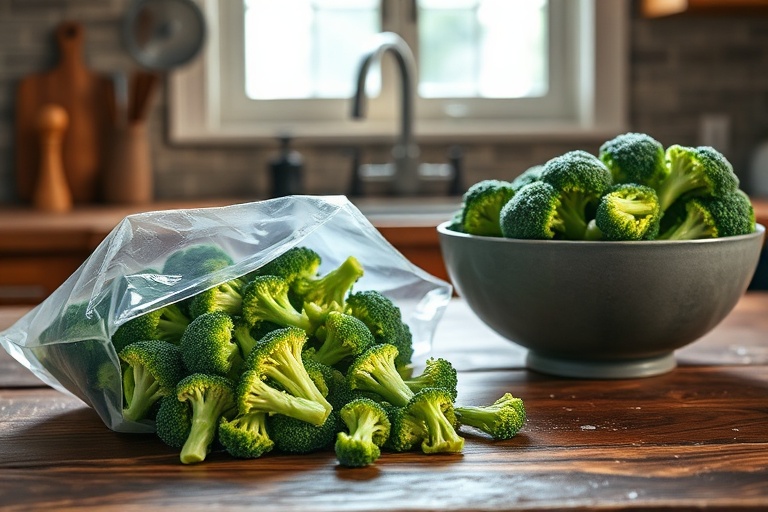
Enter the freezer, the humble hero of this story. Freezing produce at its peak locks in nutrients, creating a nutritional time capsule that outperforms its "fresh" counterparts. Here's why:
Flash-Frozen: Nature's Pause Button
Freezing slows down enzymatic reactions that degrade nutrients. This is why frozen fruits and vegetables can retain their nutritional value for months, even years.2
**
Peer-Reviewed Validation
A 2023 study by UC Davis found that frozen fruits and vegetables were nutritionally equal to - and in some cases superior to - their fresh counterparts.3 This isn't just anecdotal evidence; it's peer-reviewed validation from a major research institution.
The Blanching Paradox
Blanching, the process of briefly cooking vegetables before freezing, does cause some initial nutrient loss. However, this loss prevents further degradation, making frozen vegetables a better nutritional choice in the long run.4
The Protein Puzzle: Why Frozen Meat Can Be Superior
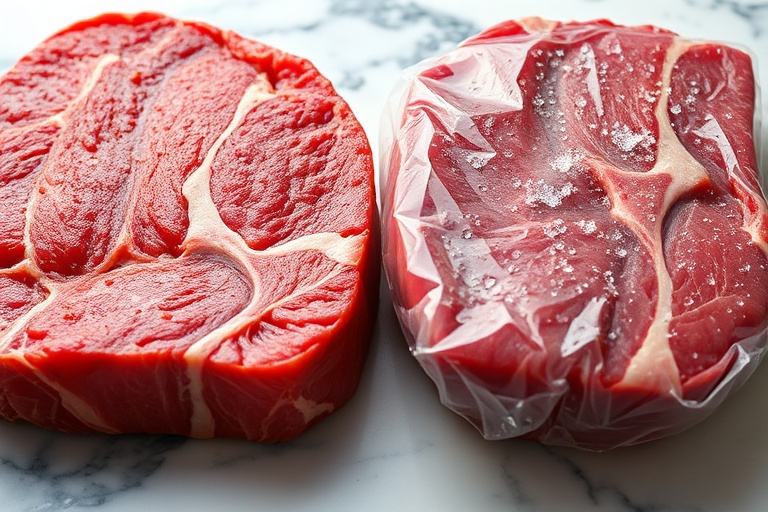
The same principles apply to frozen proteins. Cryogenic freezing, for instance, preserves nutrients more effectively by reducing exposure to oxidation and enzymatic reactions.5 This means frozen meat can actually be superior to "fresh" meat that's been degrading.
**
The Psychological Payoff: Cognitive Stability
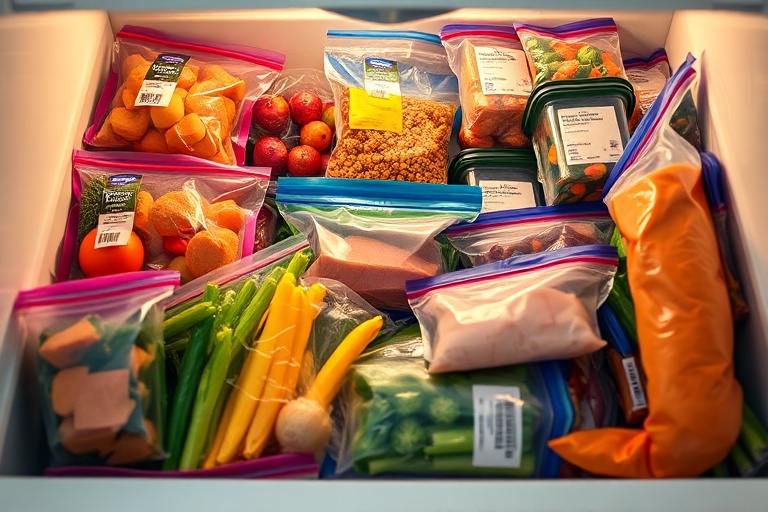
Understanding the biochemical reality of nutrient degradation also addresses a crucial psychological need: reducing decision fatigue. Having freezer-breakers isn't just about nutrition; it's about reducing the cognitive demand of figuring out what to eat.[^6]
Key Takeaway
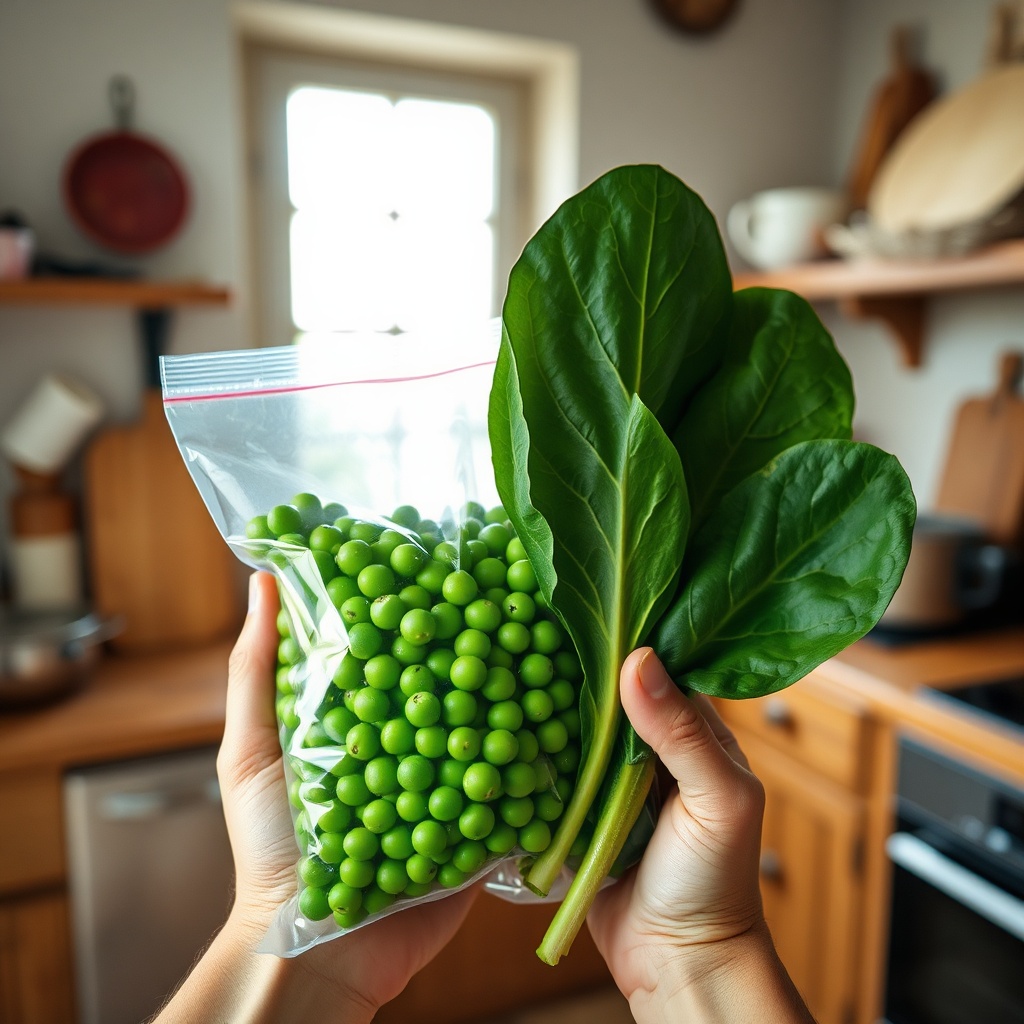
The next time you reach for that bag of frozen peas, remember that you're not settling for less. You're making a smart, data-driven choice that supports your health and reduces mental load. Embrace the freezer-breaker; it's your ally in the war against nutrient loss and decision fatigue.
**