The Zero-Waste Supply Chain: A Grocery SOP for the 2+1 Kitchen
Stop the 5:30 PM panic. Apply Just-in-Time logic and supply chain SOPs to your grocery list to cut waste by 20% and automate dinner decisions.
It is 5:30 PM. You are standing in front of the refrigerator, door wide open, letting the cold air escape. You stare at a half-wilted bag of spinach and a mysterious container of leftovers from Tuesday. Behind you, the kitchen is quiet, but the pressure is loud. Hungry people are waiting, and you have absolutely no plan. This is the universal pain point of the modern home cook: the decision fatigue bottleneck.
At MealSolved, we believe this isn't a failure of culinary skill; it is a failure of logistics. You don’t need a new recipe; you need a Standard Operating Procedure (SOP).
Welcome to The Kitchen Log. This blog isn't just about food; it is about documenting the journey of systematizing the home kitchen. By applying engineering and business principles—like supply chain management and ROI analysis—we remove the mental load so you never have to stress about dinner again. Today, we define the Zero-Waste Supply Chain for your grocery shopping.
The Cost of Chaos: Why We Need an SOP
Most home cooks operate on a "Push" system. You go to the store, buy what looks good (or what you think you should eat), and push it into the fridge. The result? Inventory bloat and spoilage. Ideally, a kitchen should operate on a "Pull" system—demand drives supply.
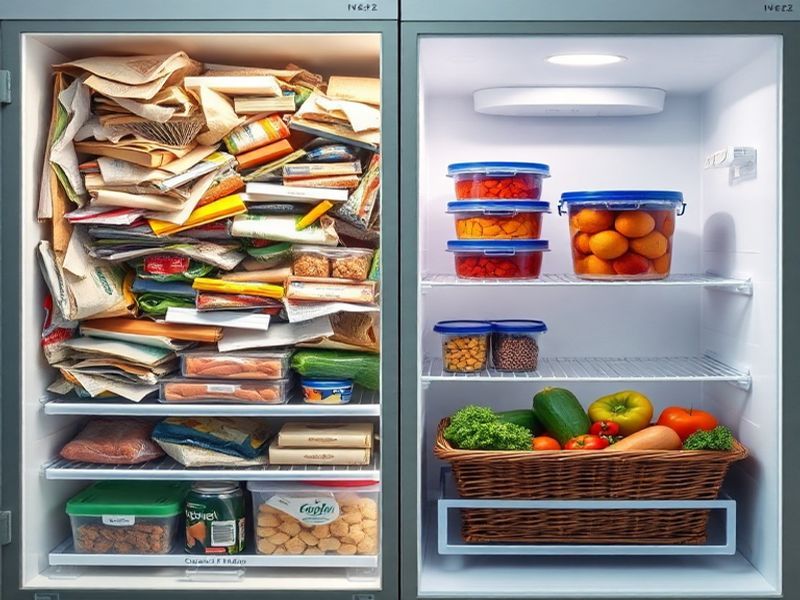
The data paints a grim picture of the alternative. According to waste data analysis, the median household generates approximately 5.5 pounds of food waste per week. That is effectively throwing a high-quality steak or a family-sized portion of salmon directly into the trash every seven days. However, the same data indicates that implementing systematic approaches can drive a 20% reduction in food scraps in just the first four months. The 2+1 Strategy (planning two fresh proteins and one freezer-breaker) is that systematic approach.
Principle 1: Just-in-Time (JIT) Procurement for Fresh Proteins
In manufacturing, efficiency is king. We borrow the concept of Just-in-Time (JIT) inventory management. As noted by industrial experts at Amper, JIT minimizes waste and reduces excess inventory by ensuring materials arrive exactly when they are needed for production.
In your kitchen, this means we strictly cap fresh purchases to our "2 Fresh Proteins."
- The Rule: If you shop on Sunday, buy only the fresh meat or fish you will cook by Wednesday.
- The Benefit: You force a higher turnover rate for perishable goods. There is no "back of the fridge" because the inventory is too lean to hide anything.
Principle 2: The Strategic Reserve (The Freezer-Breaker)
If the "2 Fresh" covers Monday through Wednesday, the "+1 Freezer-Breaker" is your risk mitigation strategy. However, there is a misconception that frozen food is inferior. From a supply chain perspective, the freezer is a tool for halting degradation.

We leverage the science of preservation here. Research indicates that rapid freezing methods preserve cellular structure and nutrient retention significantly better than traditional slow cooling, which causes large ice crystals to rupture cell walls.
The Takeaway: Your "+1" shouldn't be old leftovers you threw in the freezer to avoid guilt. It should be high-quality, flash-frozen proteins purchased specifically for the reserve. This ensures that when plans change and you pivot to your freezer meal on Thursday, you aren't downgrading your dining experience.
Principle 3: Reducing Cognitive Load
The ultimate ROI of this grocery SOP isn't just the money saved on wasted food; it's the preservation of your mental energy. By Sunday night, you have made thousands of choices. You do not need to make more.
Systems automate trivial choices. By strictly adhering to the 2+1 shopping list, you eliminate the variable of "What do I buy?" and consequently, "What do I cook?" As noted in behavioral psychology research, meal planning reduces cognitive load by automating these decisions, preserving your mental bandwidth for high-value tasks—or simply relaxing.
Summary: Your Execution Checklist
- Audit: Check your freezer. Do you have a viable "+1" (Freezer-Breaker)? If yes, you do not buy one this week.
- Select: Choose exactly two fresh proteins for the week. No more, no less.
- Execute: Shop with JIT principles. If it isn't for the "2 Fresh" or a critical replenishment, it stays on the shelf.
Stop managing a warehouse of rotting food. Start managing a lean, high-output supply chain.