The Sensory Cognitive Freezer Triad How Strategic Frozen Meal Integration Enhances Variety While Reducing Daily Decision Fatigue
Beat kitchen burnout! Discover the 2+1 Strategy: use two fresh proteins + one freezer meal to slash decision fatigue while boosting variety. Science-backed and simple.
The Sensory-Cognitive-Freezer Triad: How Strategic Frozen Meal Integration Enhances Variety While Reducing Daily Decision Fatigue
Introduction
In the bustling kitchen ecosystem, balancing sensory delight, cognitive load, and meal variety can feel like a daunting task. However, with a strategic approach that integrates the often-overlooked power of frozen meals, home cooks can create a more sustainable and enjoyable meal planning experience. This article explores the intersection of sensory science, cognitive load management, and freezer strategy, presenting a unique 2+1 Strategy advantage that reduces daily decision fatigue while enhancing meal variety.
The Cognitive Load Challenge in Meal Planning
Meal planning, a crucial aspect of home cooking, often comes with an unexpected challenge: cognitive load. This term, coined by psychologist John Sweller, refers to the mental effort required to process information [1]. In the context of meal planning, cognitive load can be overwhelming, especially when dealing with the sheer number of decisions involved in selecting, preparing, and cooking meals.
A study published in the Frontiers in Psychology journal in 2026 delves into this issue, highlighting the impact of cognitive load theory on meal planning decisions [1]. The research emphasizes the importance of reducing decision fatigue by structuring meals around a manageable number of choices, a concept that lies at the heart of the 2+1 Strategy.
The 2+1 Strategy: A Cognitive Load Solution
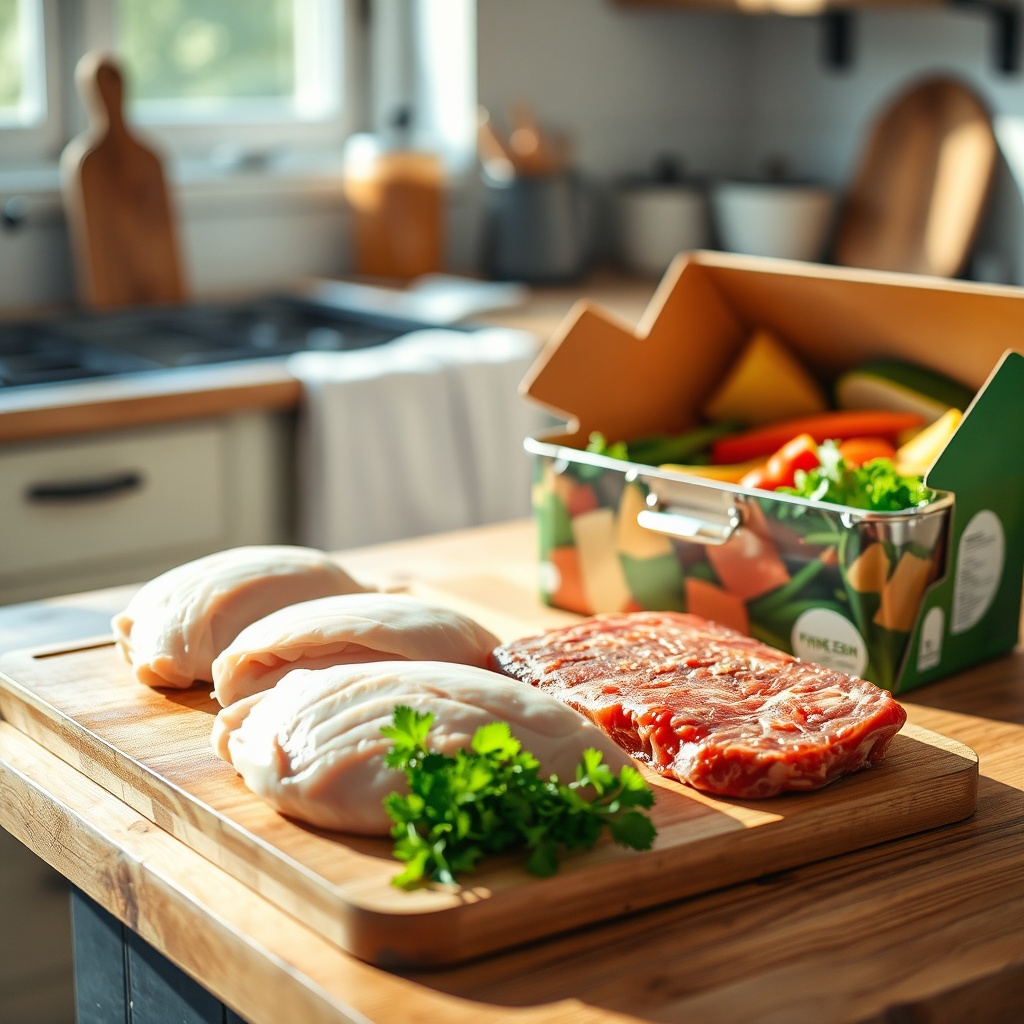
The 2+1 Strategy, a core principle of MealSolved, offers a practical solution to the cognitive load challenge. This approach involves planning meals around two fresh core proteins and one freezer-breaker, providing a structured framework that reduces decision fatigue while maintaining meal variety.
Two Fresh Core Proteins: Consistency and Familiarity
The first pillar of the 2+1 Strategy involves selecting two fresh core proteins for your meal plan. These proteins serve as the foundation of your meals, providing consistency and familiarity throughout the week. By choosing two proteins, you significantly reduce the number of decisions you need to make, as these proteins will form the basis of multiple meals.
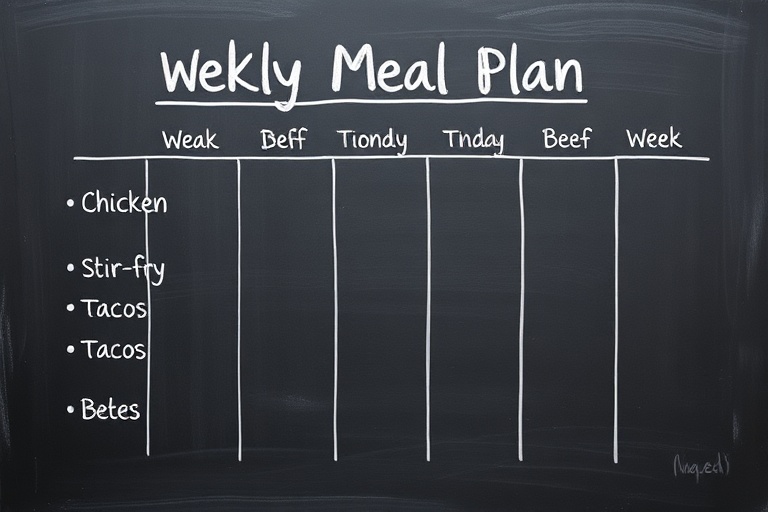
For instance, you might choose chicken and beef as your core proteins. With these two proteins, you can create a variety of meals, such as chicken stir-fry, beef tacos, chicken curry, and beef stew. This approach reduces cognitive load by minimizing the number of decisions you need to make while still providing a diverse range of meals.
One Freezer-Breaker: Variety Through Strategic Frozen Meals
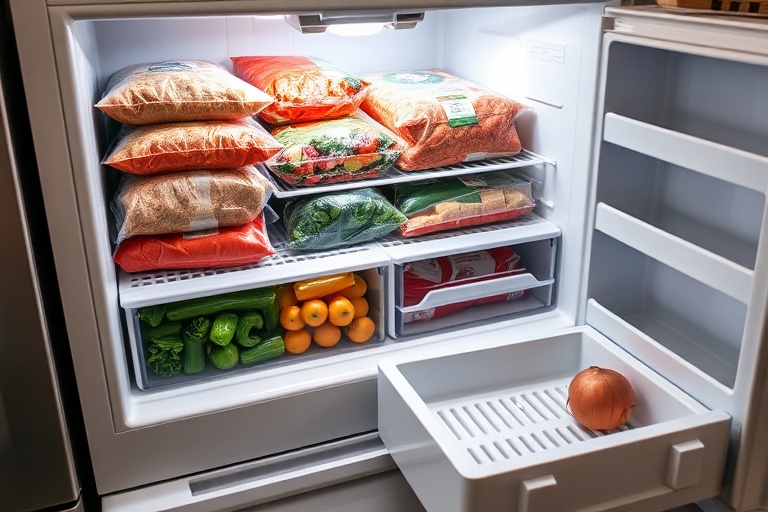
The second pillar of the 2+1 Strategy involves incorporating one freezer-breaker into your meal plan. Freezer-breakers are frozen meals or ingredients that provide variety and act as a backup plan when life gets busy. By strategically integrating frozen meals into your meal plan, you can maintain a high level of meal variety while reducing the cognitive load associated with constant decision-making.
A study published in the Frontiers in Nutrition journal in 2026 highlights the importance of sensory variety in food acceptance and consumption patterns [4]. The research demonstrates that greater sensory variety is associated with higher acceptance and consumption, whereas monotony can lead to menu fatigue and declining intake. By incorporating freezer-breakers into your meal plan, you can strategically introduce variety while maintaining the consistency provided by your core proteins.
The Science Behind Freezer Meals: Nutrient Retention and Sensory Properties
A common misconception about frozen meals is that they lack the nutritional value and sensory appeal of fresh meals. However, a study published in the Wiley scientific journal in 2026 provides evidence to the contrary. The research demonstrates that freezing is a superior method of preservation compared to other techniques with respect to nutrient retention and maintenance of sensory properties [3].
The study found that modern flash-freezing techniques preserve the nutritional content and sensory properties of foods, making frozen meals a viable alternative to fresh meals. This finding supports the use of freezer-breakers in the 2+1 Strategy, as it ensures that the frozen meals you incorporate into your meal plan maintain their nutritional value and sensory appeal.
The Freezer as a Buffer Against Food Waste and Shrinkflation
Incorporating freezer-breakers into your meal plan also offers practical benefits beyond cognitive load reduction and meal variety. A 2026 food waste statistics report highlights the significant economic and environmental impact of household food waste, with the average U.S. household producing approximately 325 pounds of food waste per year [5]. By strategically using your freezer, you can reduce food waste by providing a buffer against unused fresh ingredients.
Moreover, a U.S. Government Accountability Office report on shrinkflation provides data on how grocery packaging changes affect consumer value [6]. By strategically stocking your freezer with meals and ingredients, you can provide price stability and portion control that counters the effects of shrinkflation, ensuring that you get the most value for your money.
The 2+1 Strategy in Action: A Sample Meal Plan
To illustrate the 2+1 Strategy in action, consider the following sample meal plan:
Core Proteins:
-
Chicken
-
Beef
Freezer-Breaker:
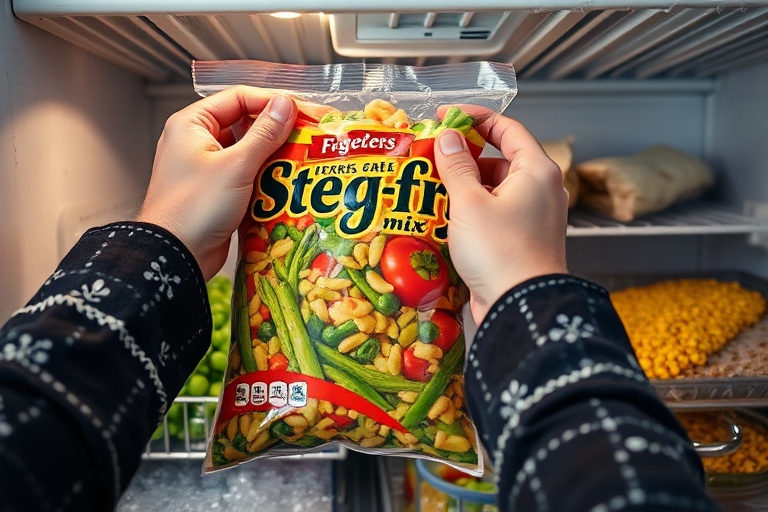
- Frozen vegetable stir-fry mix
Meal Plan:
-
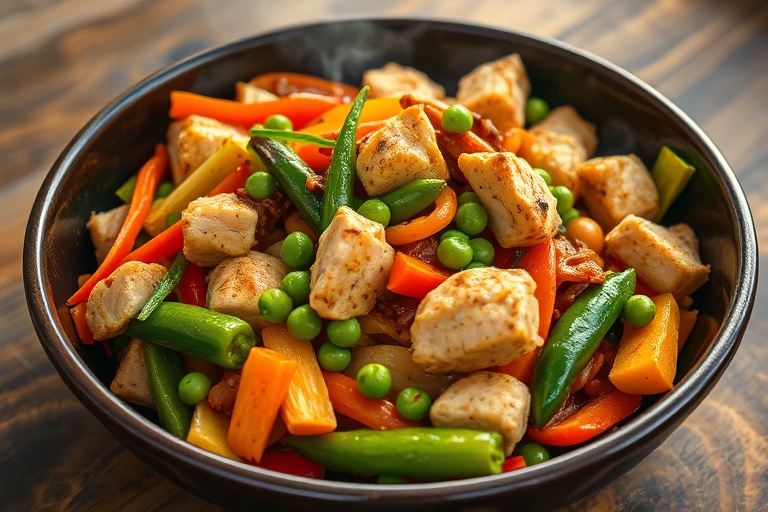
Monday: Chicken stir-fry with frozen vegetable mix
-
Tuesday: Beef tacos with side salad
-
Wednesday: Chicken curry with rice
-
Thursday: Beef stew with crusty bread
-
Friday: Leftover day or frozen pizza night (using the frozen vegetable stir-fry mix as a topping)
In this meal plan, the chicken and beef serve as the core proteins, providing consistency and familiarity throughout the week. The frozen vegetable stir-fry mix acts as the freezer-breaker, offering variety and a convenient backup plan for busy nights. This meal plan demonstrates how the 2+1 Strategy can be easily integrated into a weekly meal plan, reducing cognitive load while maintaining meal variety.
Key Takeaway
"Embracing the 2+1 Strategy – planning meals around two fresh core proteins and one freezer-breaker – offers a strategic approach to reducing daily decision fatigue while enhancing meal variety. By strategically integrating frozen meals into your meal plan, you can create a more sustainable and enjoyable home cooking experience that caters to both your cognitive needs and your sensory delight."
Sources
[1] Cognitive Load Theory and Meal Planning Decisions
[2] Cognitive Load and Planned Meals: An Experimental Study
[3] Freezing Technology and Nutrient Retention: A Scientific Review
[4] Sensory Variety and Food Acceptance: A Review of the Literature
[5] Food Waste Statistics in the United States, 2026
[6] What is Shrinkflation and How Has It Affected Grocery Store Items Recently?