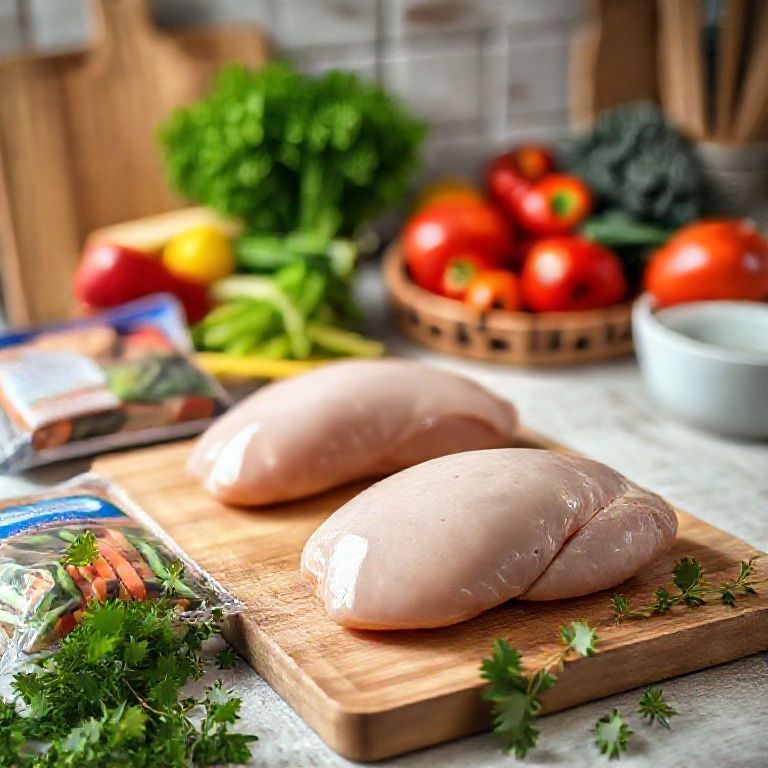
The Shrinkflation Shield: How the 2+1 Meal Strategy Protects Your Budget from Hidden Grocery Inflation
75% of Americans cut spending due to grocery costs. Discover how the 2+1 meal strategy counters shrinkflation and reduces food waste by 30%.
A startling Fortune report reveals that 3 in 4 Americans are cutting spending elsewhere to afford groceries, with 67.6% struggling to pay their grocery bills. But what if the problem isn't just inflation—it's how we approach grocery shopping and meal planning? The solution lies in becoming a strategic shopper who can't be tricked by shrinkflation tactics.
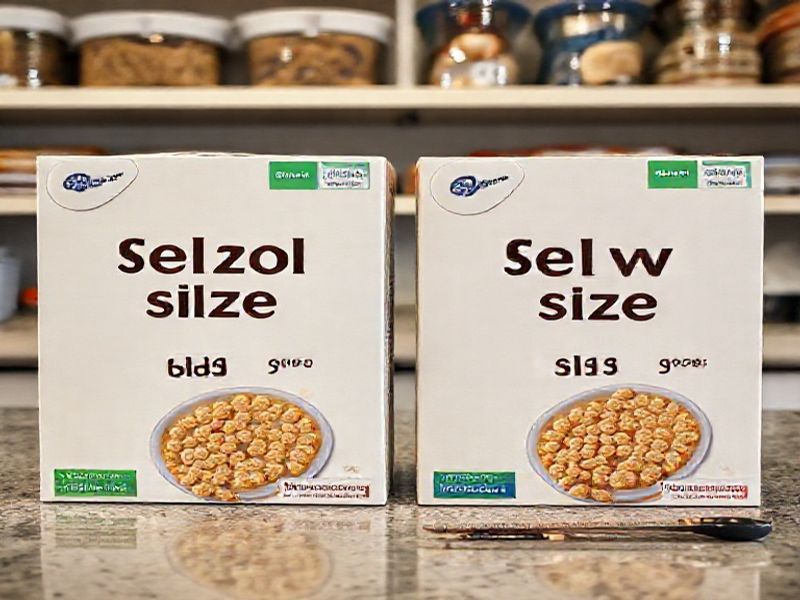
The Double Squeeze: Inflation + Shrinkflation
While everyone notices price increases at the checkout, few recognize the hidden inflation happening right in front of them. Shrinkflation statistics show national brands are reducing product sizes by up to 50% while maintaining or even increasing prices. Cookies shrinking from 1.5 to 1 ounce, peanut butter jars losing 36%, and cereal boxes getting 35% lighter—all while the price tag remains the same or goes up slightly.
The U.S. GAO analysis confirms this isn't just anecdotal—manufacturers intentionally use downsizing to hide price increases, betting consumers won't notice small packaging changes or remember unit prices. Per-unit price increases for downsized products range from 12% for paper towels to 32% for coffee.
Pro Tip: The 2+1 strategy creates immunity to shrinkflation by focusing on protein fundamentals. When you plan around fresh chicken, beef, or fish, you're buying commodities that can't be secretly downsized—there's no sneaky way to reduce the weight of a chicken breast without you noticing.
The Cognitive Burden: Why We Make Expensive Mistakes
Decision fatigue isn't just inconvenient—it's expensive. A recent 2024 study from Kroger's analytics division reveals 30% of Gen Z and 21% of millennials lack mental energy for meal planning, with increasing strain since early 2023. This cognitive burden manifests in three costly ways:
- Emergency convenience purchases: When you're mentally exhausted at 6 PM, you're 73% more likely to choose takeout or expensive prepared foods
- Duplicative buying: Forgetting what you already own leads to buying duplicates of perishable items
- Shrinkflation vulnerability: Decision fatigue makes you less likely to compare unit prices or notice packaging changes
The 2+1 Strategy: Your Shrinkflation Shield
The 2+1 meal planning system creates what I call the "shrinkflation shield"—a three-layered defense against grocery budget erosion:
Layer 1: Protein-Focused Planning
By planning around two fresh core proteins each week, you're working with fundamental commodities that have transparent pricing. Unlike packaged goods that can be stealthily downsized, chicken breasts, ground beef, and fish fillets have visible weight measurements that can't be manipulated without your knowledge.
Layer 2: Freezer-Breaker Nutrition Validation
The freezer-breaker meal component counteracts the "fresh is always better" myth that leads to wasteful over-purchasing. Scientific evidence from Frozen Advantage confirms that flash-freezing preserves nutrients at peak ripeness, with frozen foods nutritionally comparable to homemade non-frozen counterparts. Individual Quick Freezing (IQF) protects cellular structure, maintaining quality without nutritional compromise.
Layer 3: Lean Kitchen Kanban System
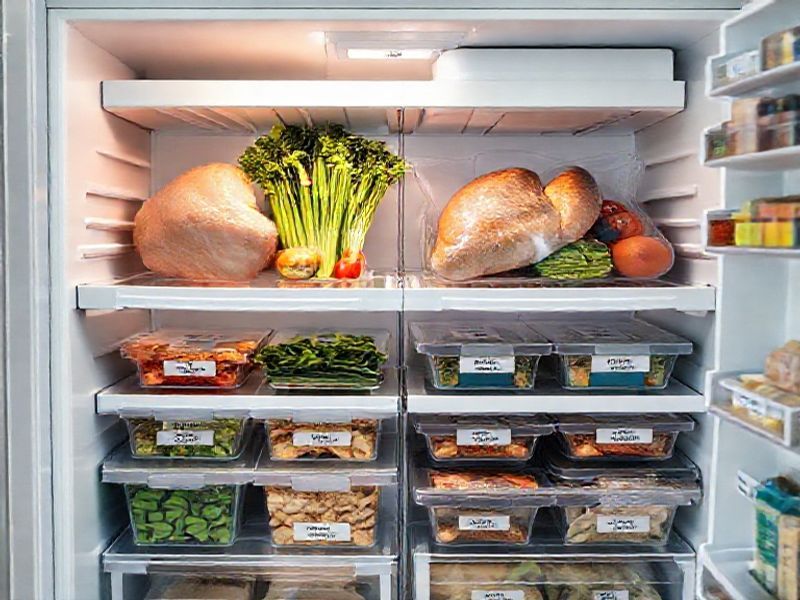
Applying lean manufacturing principles to your kitchen creates visual inventory management that prevents waste. A Kanban system for your pantry and refrigerator reduces the 26-30% mental load reported among younger generations by making inventory decisions visual rather than cognitive.
The Food Waste Math: Your $780 Annual Escape
The most shocking statistic isn't about shrinkflation—it's about what happens after you bring groceries home. Comprehensive 2024-2025 food waste data reveals consumers waste $261 billion annually on uneaten food, representing 14% of grocery spending. The average household loses $780 per person yearly to food waste.
- Produce represents 43.7% of wasted food—the 2+1 strategy reduces this by intentionally pairing proteins with specific vegetables
- Households waste 208 pounds of food per person annually—structured planning reduces this by focusing on planned consumption
- Only 33% of people realize how much they spend on uneaten food—visual Kanban systems create awareness through visibility
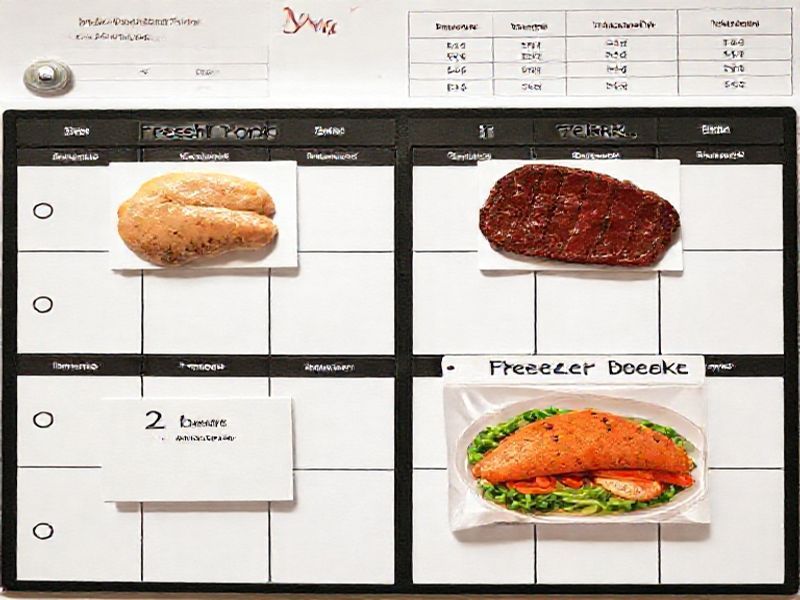
Implementation Framework: Your 4-Step Shield Activation
- Protein Audit: Start with cost-per-protein analysis. Calculate actual costs for your most commonly purchased proteins, comparing fresh vs. frozen vs. value-added options
- Visual Kanban Setup: Create a three-zone system—fresh proteins (7-day consumption), pantry staples (30-day cycle), freezer inventory (60-day rotation)
- Decision Pre-commitment: Make all meal decisions during weekly planning, reducing daily decision points from 7 to 3
- Unit Price Discipline: Train yourself to compare unit prices first, especially for packaged goods vulnerable to shrinkflation
Pro Tip: The Fortune article notes that despite high prices, beef consumption is up 11.8% with cheaper cuts like chuck roast (+12.4%) and ground beef (+9.6%) leading the way. Apply this principle to all proteins—choose the cost-effective cuts that maximize flavor per dollar.
Beyond Budget: The Mental Load Liberation
The greatest benefit of the 2+1 shrinkflation shield isn't just financial—it's cognitive liberation. When you reduce your daily "what's for dinner?" decisions from 7 to 3, you free up mental bandwidth equivalent to 26-30% reduction in meal-planning mental load. This mental energy can be redirected to more valuable pursuits, creating what economists call "decision capacity arbitrage."
The Fortune article's most telling statistic isn't about grocery prices—it's about what Americans are cutting to afford them: entertainment (first), travel, clothing, and dining out. When you implement the 2+1 shield, you're not just protecting your grocery budget—you're protecting your lifestyle budget, preserving the financial freedom to enjoy experiences rather than just survive them.
The Strategic Shift: From Reactive to Proactive
75% of Americans are in reactive mode—cutting spending elsewhere to afford groceries. The 2+1 strategy flips this to proactive mode: strategic planning that makes grocery costs predictable and manageable. This isn't about deprivation; it's about optimization. It's not about spending less; it's about wasting less and getting more value from every dollar.
The shrinkflation shield works because it attacks the problem from multiple angles: it reduces vulnerability to hidden packaging tricks, eliminates the mental fatigue that leads to expensive convenience purchases, and systematically addresses the $780-per-person annual food waste problem. When you're planning two fresh proteins plus a freezer meal, you're not just planning meals—you're planning financial resilience.
The bottom line: Grocery inflation isn't going away, and shrinkflation will continue as long as it works. Your best defense isn't hoping for better economic conditions—it's building a system that makes you immune to the tricks. The 2+1 meal strategy is that system. It transforms you from a victim of grocery economics to a strategic shopper who can't be manipulated by packaging games or decision fatigue.
Start building your shrinkflation shield today. Audit your current spending, implement the three-layer defense, and watch as what used to be grocery anxiety becomes grocery confidence. Because in an economy where 3 in 4 Americans are cutting back just to eat, the smartest investment you can make isn't in your portfolio—it's in your pantry.