The Household Supply Chain Paradox Revolutionizing Meal Planning Efficiency With Industrial Logistics Principles
Transform your chaotic kitchen into an efficient, waste-minimizing operation by applying Fortune 500 supply chain principles to household meal planning.
The Household Supply Chain Paradox: Revolutionizing Meal Planning Efficiency with Industrial Logistics Principles
Introduction
In the realm of corporate strategy, supply chain management is a critical factor driving success. Fortune 500 companies invest heavily in optimizing inventory, forecasting demand, and streamlining logistics to maximize efficiency and minimize waste. Ironically, the average household kitchen, which consumes a significant portion of our resources and time, often operates with little regard for these principles. This article explores the revolutionary concept of applying industrial supply chain management principles to household meal planning, transforming chaotic home kitchens into efficient, waste-minimizing operations.
The State of Home Kitchens: A Supply Chain Nightmare
Before we dive into the solutions, let's examine the current state of home kitchens from a supply chain perspective. Most households grapple with:
-
Inefficient Inventory Management: Overstocking and understocking lead to waste and last-minute shopping.
-
Poor Demand Forecasting: Inconsistent meal planning results in unpredictable demand for ingredients.
-
Inefficient Procurement: Frequent, unplanned shopping trips waste time and increase expenses.
-
Lack of Agility: Inability to adapt to changes, such as unplanned meals out or leftovers, leads to further waste.
Applying Industrial Logistics Principles to Home Kitchens
Inventory Management: FIFO and Rotation
In corporate supply chains, the First-In-First-Out (FIFO) principle ensures that older stock is sold first. In home kitchens, implementing FIFO can significantly reduce waste. Here's how:
-
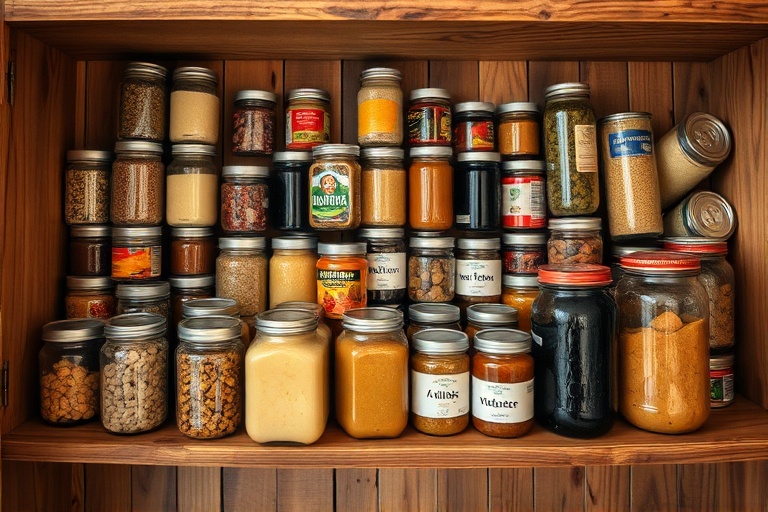
Store Older Items at the Front: Arrange your fridge, freezer, and pantry so that older items are always at the front.
-
Plan Meals Around Older Ingredients: Prioritize using older ingredients in your meal plans to ensure they're consumed first.
Demand Forecasting: The 2+1 Strategy
MealSolved's 2+1 Strategy is a demand-driven household supply chain system that minimizes waste and reduces cognitive load. Here's how it works:
-
Plan Around Two Fresh Core Proteins: This ensures variety and minimizes last-minute decisions.
-
Add One Freezer-Breaker: Having a backup meal in the freezer ensures you're never caught off guard, reducing waste from unplanned meals out or leftovers.
Procurement: Just-In-Time Shopping
Just-in-time (JIT) procurement is a corporate strategy that minimizes inventory and waste by procuring items only as they're needed. In home kitchens, JIT shopping can be achieved through:
-
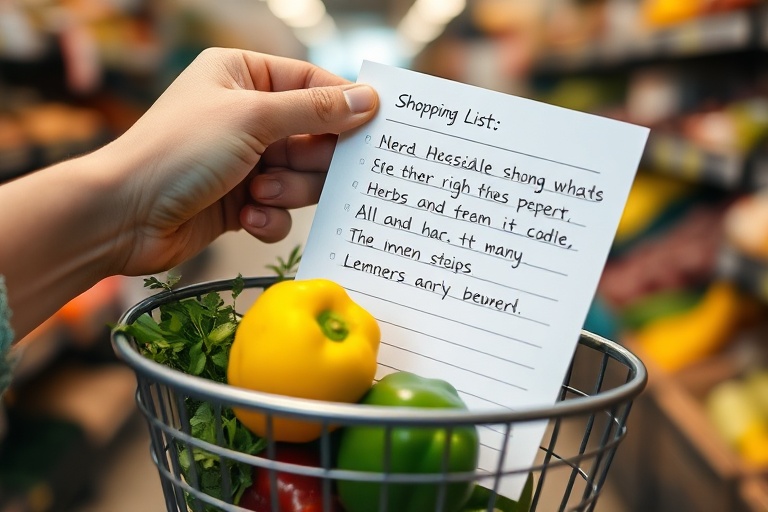
Meal Planning: Plan meals for the week, then create a shopping list based on what you need.
-
Regular, Smaller Shopping Trips: Instead of one large shopping trip per week, opt for smaller, more frequent trips to buy only what you need.
Agility: Building Household Supply Chain Resilience
Agile supply chains can adapt to changes quickly. In home kitchens, agility can be achieved by:
-
Regularly Assessing Inventory: Check your fridge, freezer, and pantry regularly to understand what you have and what you need.
-
Adapting Meal Plans: Be prepared to adjust your meal plans based on changes in schedule or available ingredients.
The Role of Technology in Streamlining Home Kitchens
While not a supply chain principle, technology can significantly enhance the application of these principles in home kitchens. Meal planning apps, smart fridges, and online grocery shopping all contribute to more efficient, waste-minimizing kitchen operations.
Key Takeaway
Applying industrial logistics principles to home kitchens can significantly reduce food waste, save time and money, and minimize decision fatigue. By implementing strategies like FIFO, the 2+1 Strategy, JIT shopping, and maintaining agility, households can achieve what we term "Household Supply Chain Resilience" - the ability to maintain consistent meal variety with minimum waste and maximum efficiency.
Sources
-
The Hidden Costs of Food Waste - USDA Economic Research Service
-
Food Waste by the Numbers - NRDC
-
The Role of Supply Chain Management in Corporate Strategy - Journal of Business Logistics