The Transport Degradation Paradox Why Your Fresh Groceries Lose Nutrients Before They Reach Your Plate
Your 'fresh' produce loses nutrients on the way home. Discover the 2+1 meal plan strategy to preserve nutrition, save money, and beat decision fatigue.
The Transport Degradation Paradox: Why Your 'Fresh' Groceries Lose Nutrients Before They Reach Your Plate
Did you know that the 'fresh' produce you're buying might not be as nutritious as you think? The journey from farm to table takes a toll on our fruits and vegetables, and the way we plan our meals can either exacerbate or mitigate this nutrient loss. Today, we're diving into the transport degradation paradox and exploring how the 2+1 meal planning strategy can help you preserve more nutrients and save money.
The Hidden Cost of Fresh Produce
When we think of 'fresh' produce, we often assume it's at its nutritional peak. However, the reality is that our fruits and vegetables undergo significant stress during transportation, which accelerates nutrient degradation. A study published in the Journal of Food Engineering sheds light on this issue, revealing that vibration stress during transportation significantly contributes to quality deterioration in produce.[1]
This mechanical damage triggers a cascade of biochemical changes that deplete nutrients and alter taste. So, by the time your 'fresh' produce reaches your plate, it might not be as nutritious as it could be.
The Freezer Advantage
Frozen produce often retains more nutrients than its fresh counterpart. This might sound counterintuitive, but it's backed by science. A 2024 study by the Australian Broadcasting Corporation found that frozen produce can retain most of its vitamins and minerals, sometimes even better than fresh produce that has been stored for several days or weeks.[2]
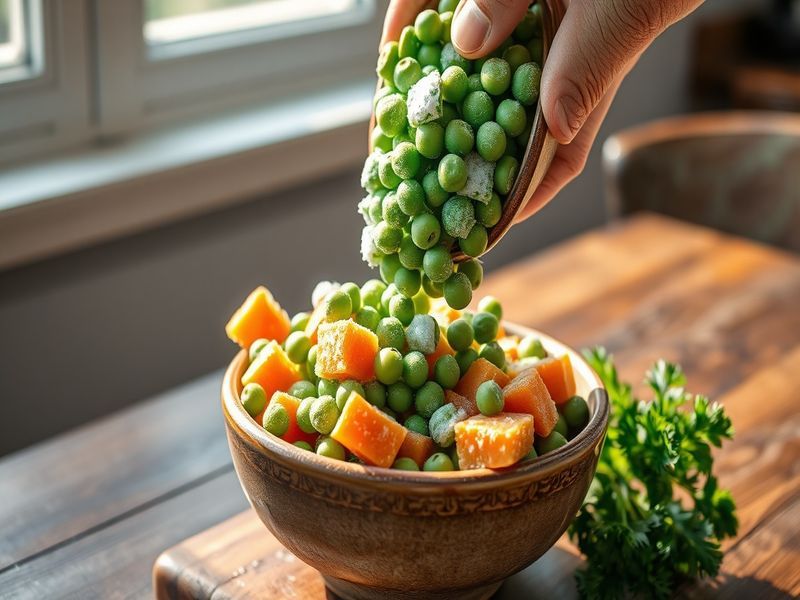
This is because freezing produce at its peak ripeness locks in nutrients, while fresh produce continues to lose nutrients during storage and transportation. Moreover, frozen produce is often picked at peak ripeness and flash-frozen within hours, ensuring optimal nutrient content.
The 2+1 Strategy: Planning for Nutrient Retention
The 2+1 meal planning strategy – planning around two fresh core proteins plus one freezer-breaker – is not just about convenience and reducing decision fatigue. It's also about preserving nutrient content and saving money.
Minimizing Inventory, Maximizing Nutrients
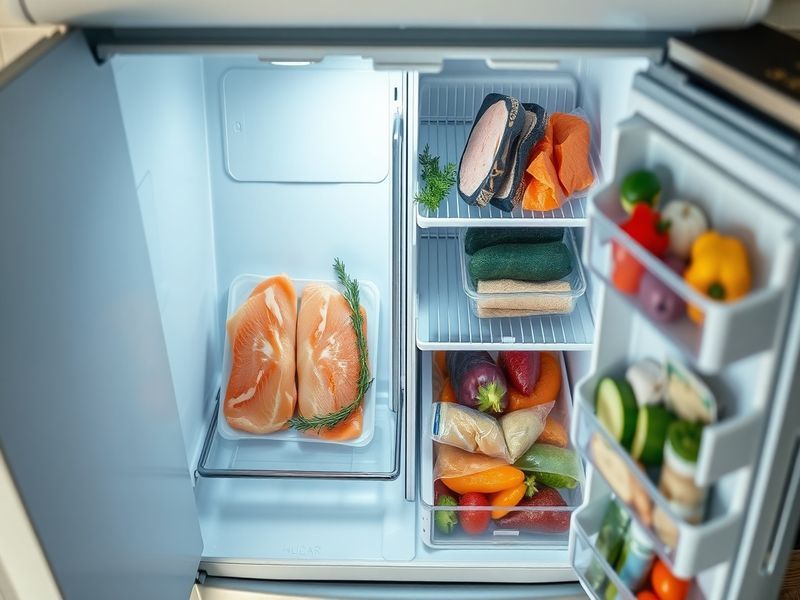
By planning meals around two fresh proteins and one freezer-breaker, you're minimizing the amount of fresh produce you need to buy and store. This reduces spoilage and waste, ensuring that the produce you do buy has a higher chance of reaching your plate at its nutritional peak.[3]
Saving Money with Strategic Freezer Use
Incorporating a freezer-breaker meal into your weekly plan also helps you take advantage of sales and bulk buying. You can stock up on frozen produce when it's on sale, further reducing your grocery bill.[2]
The Psychology Behind Successful Meal Planning
The 2+1 strategy isn't just about logistics; it's also about psychology. A narrative review published in the Journal of Nutrition Education and Behavior explains how decision fatigue can lead to poor food choices.[4]

By planning your meals in advance, you're reducing the cognitive load of daily decision-making, preserving your decision-making capacity for better choices. This can help prevent nutritional compromise and seasonal burnout in home cooking.[5]
Key Takeaway
Pro Tip: Embrace the 2+1 meal planning strategy to preserve more nutrients, save money, and reduce decision fatigue. By strategically incorporating frozen produce and minimizing fresh inventory, you're creating a more efficient and nutritious kitchen ecosystem.
Sources
[2] Fresh fruit and vegetable versus frozen: Healthier, cheaper?
[3] How does the Just-in-Time inventory model apply to a household?
[4] The Effect of Decision Fatigue on Food Choices
[5] Home cooks face seasonal burnout as the reality of spring cooking emerges