The Decision Fatigue Domino Effect How Kitchen Complexity Cascades Into Failed Meal Planning And How The 2 1 Strategy Interrupts The Cognitive Collapse
Stop decision fatigue from sabotaging your kitchen. Discover how the cognitive domino effect leads to food waste & stress, and how the simple 2+1 strategy breaks the cycle.
The Decision Fatigue Domino Effect: How Kitchen Complexity Cascades Into Failed Meal Planning and How The 2+1 Strategy Interrupts The Cognitive Collapse
**
Introduction
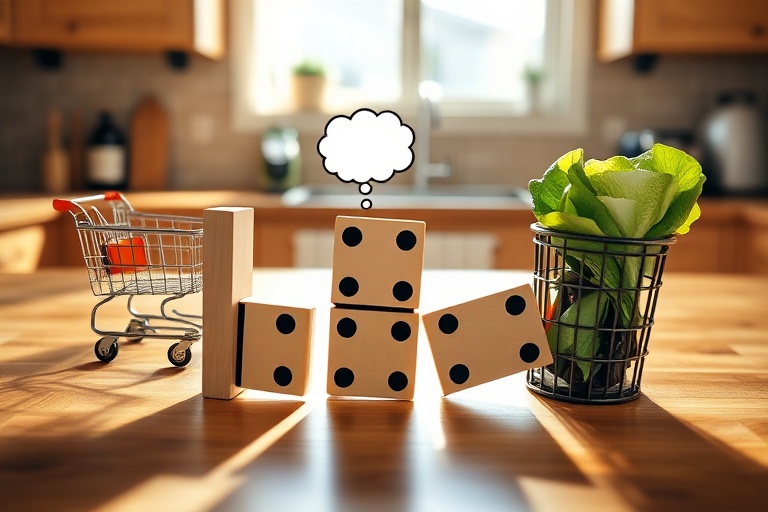
In the daily dance of home management, one of the most complex and cognitively demanding tasks is planning and executing meals. While we've long understood that decision fatigue plays a significant role in our evening meal choices, a closer look reveals a systemic failure pattern where one cognitive misstep leads to a cascade of poor decisions, culminating in failed meal planning and increased waste. This article explores the psychological domino effect that sabotages our kitchens and introduces a novel solution: MealSolved's 2+1 Strategy as a circuit breaker in this cognitive collapse.
Decision Fatigue: More Than Just Tiredness
Decision fatigue is not merely a feeling of tiredness; it's a measurable cognitive phenomenon with specific, predictable effects. As a 2026 Frontiers in Cognition review demonstrates, decision fatigue creates a predictable cascade: first comes ineffective decision-making, then conservativeness in choices, then erroneous decisions—a pattern that explains why so many home cooks default to the same meals or abandon meal plans entirely [1].
The Kitchen Cascade
Ineffective Decision-Making
In the kitchen, decision fatigue first manifests as ineffective decision-making. Tired brains struggle to process complex information, leading to poor meal choices. This might mean opting for takeout instead of cooking, or choosing simple, familiar meals over nutritious, varied ones.
** Conservativeness in Choices**
As fatigue deepens, our choices become even more conservative. We default to the easiest, most familiar options, leading to a repetitive meal rotation. This lack of variety can lead to decreased satisfaction and increased waste as ingredients languish in the refrigerator.
Erroneous Decisions
Finally, decision fatigue leads to erroneous decisions. We might buy ingredients we'll never use, leading to waste and increased grocery costs. Or we might struggle to use what we have, leading to further waste and a vicious cycle.
The Financial Fallout
The cognitive cascade doesn't stop at the kitchen door. When tired decisions lead to unused ingredients, those financial losses create additional household stress that makes future decisions even harder. Recent EPA data reveals the staggering financial consequences of this cognitive cascade: food waste costs have nearly doubled, with the average family of four now losing nearly $3,000 annually—a direct economic manifestation of decision fatigue's domino effect [2].
The Storefront Cascade
The decision fatigue cascade begins even before we enter the kitchen, at the grocery store. Shrinkflation—documented in a 2026 GAO report—forces additional comparison decisions that drain cognitive resources before meal planning even begins, setting the stage for the evening collapse [3].
The Freezer-Breaker Solution
Traditional meal prep fails because it adds to the decision cascade rather than interrupting it. As culinary experts note, rigid weekly planning ignores the reality of variable schedules and changing preferences, creating a system that collapses under the weight of its own complexity—precisely the conditions where decision fatigue thrives [4].
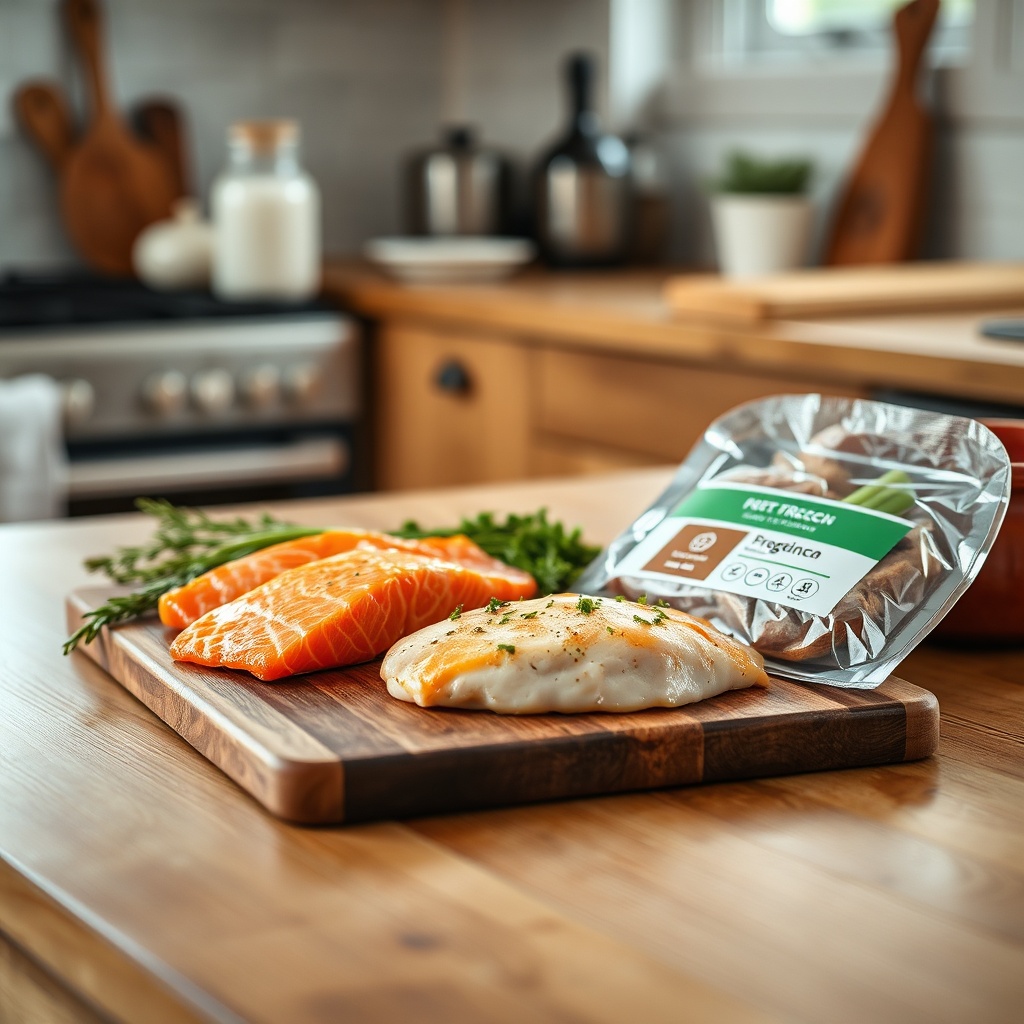
Enter MealSolved's 2+1 Strategy. By planning around two fresh core proteins plus one freezer-breaker, we interrupt the decision fatigue cascade before it starts. Here's how:
-
Variety Without Overload: The 2+1 Strategy provides variety without decision overload. With two fresh proteins, you have options without feeling overwhelmed. The freezer-breaker adds further variety without adding complexity.
-
Flexibility: The freezer-breaker allows for flexibility. If plans change, you can easily swap in the freezer meal without last-minute takeout or wasted ingredients.
-
Nutritional Integrity: Modern flash-freezing technology preserves 85-92% of nutrients, providing the nutritional credibility needed to make freezer-breakers a viable solution rather than a compromise [5].
Key Takeaway
The decision fatigue domino effect is real, costly, and systemic. But it's not inevitable. By interrupting the cascade with a strategic, flexible meal planning approach, we can reclaim our kitchens, our wallets, and our evening sanity.
> Pro Tip: Embrace the 2+1 Strategy to break the decision fatigue cycle and transform your kitchen into a well-oiled, varied, and stress-free meal machine.
**
References
[1] Decision Fatigue: A Systematic Review [Frontiers in Cognition]
[2] EPA Says the Cost of Food Waste Has Nearly Doubled [Civil Eats]
[3] What's Shrinkflation and How Has It Affected Grocery Store Items Recently? [GAO Blog]
[4] Why Meal Prep Never Works (and What Actually Does) [Cosmo Appliances]
[5] How Flash Freezer Preserves Food Nutrition [Ideal Freezer]