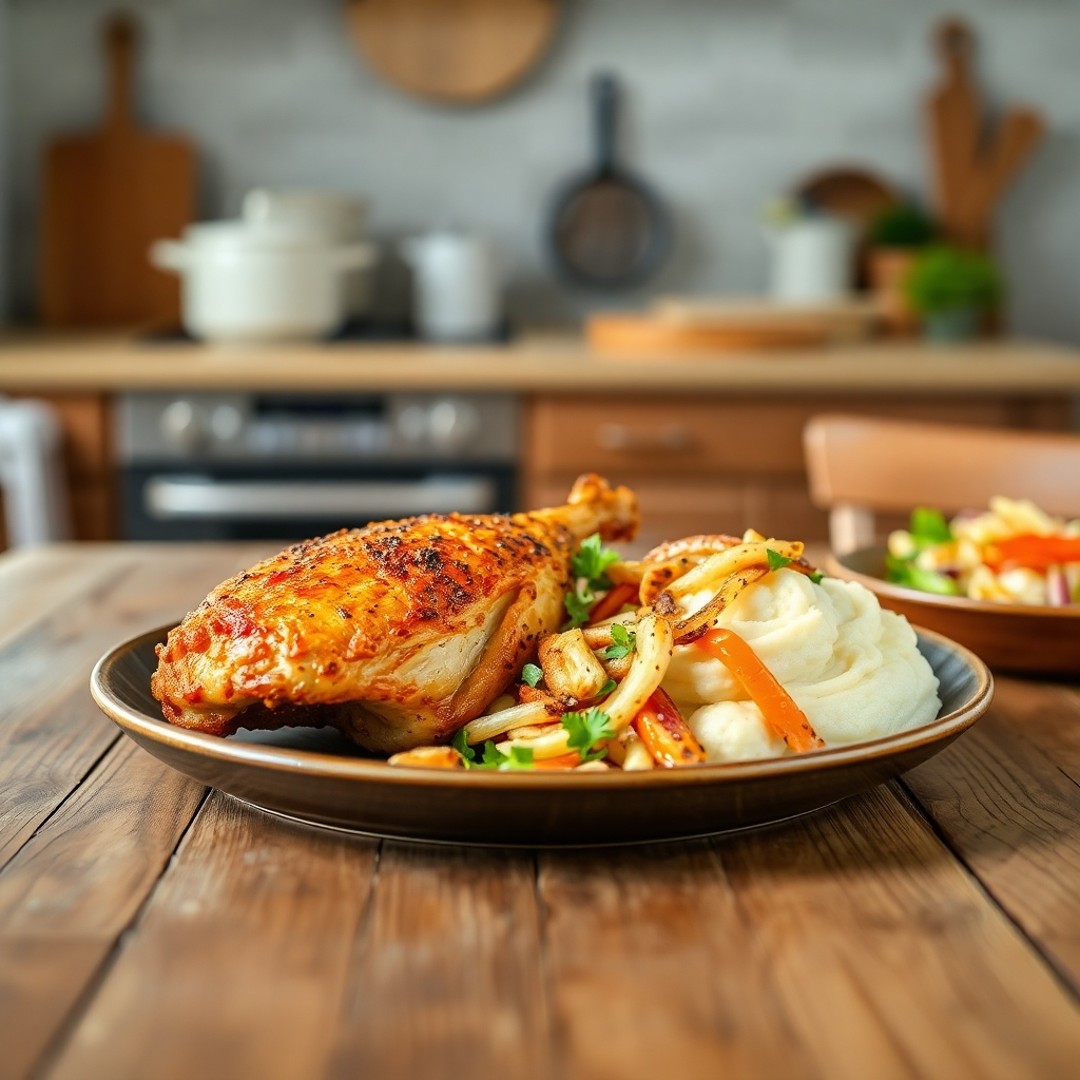
The Molecular Gastronomy Of Meal Variety How Texture Physics And Neurogastronomy Make Mealssolveds 2 Plus 1 Strategy Scientifically More Engaging Than Traditional Meal Planning
Science proves texture beats flavor for fighting food boredom. Learn how MealsSolved's 2+1 Strategy uses neurogastronomy & cooking physics to make meals more engaging.
The Molecular Gastronomy of Meal Variety: How Texture Physics and Neurogastronomy Make MealsSolved's 2+1 Strategy Scientifically More Engaging Than Traditional Meal Planning
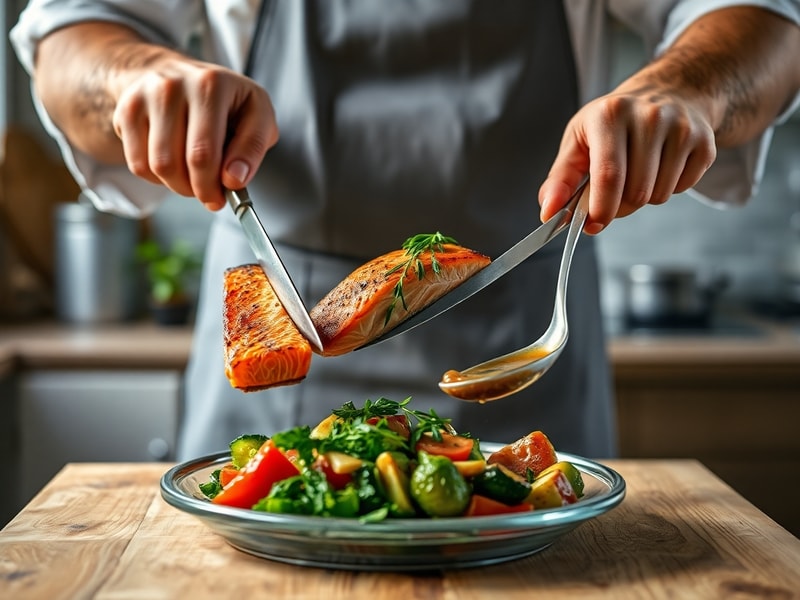
Meal planning often focuses on flavor variety, but the secret to preventing culinary boredom lies in understanding the physics of texture and the neuroscience of sensory perception. While recent topics have explored cognitive load, freezer science, and nutrient preservation, this research dives into the molecular and neurological mechanisms that make texture variation a powerful antidote to meal monotony. MealsSolved's 2+1 Strategy doesn't just rotate proteins—it creates systematic texture contrast through strategic cooking methods that activate different neural pathways, making meals feel novel even with familiar ingredients.
The Neuroscience of Food Texture: Why Variety Keeps Us Engaged
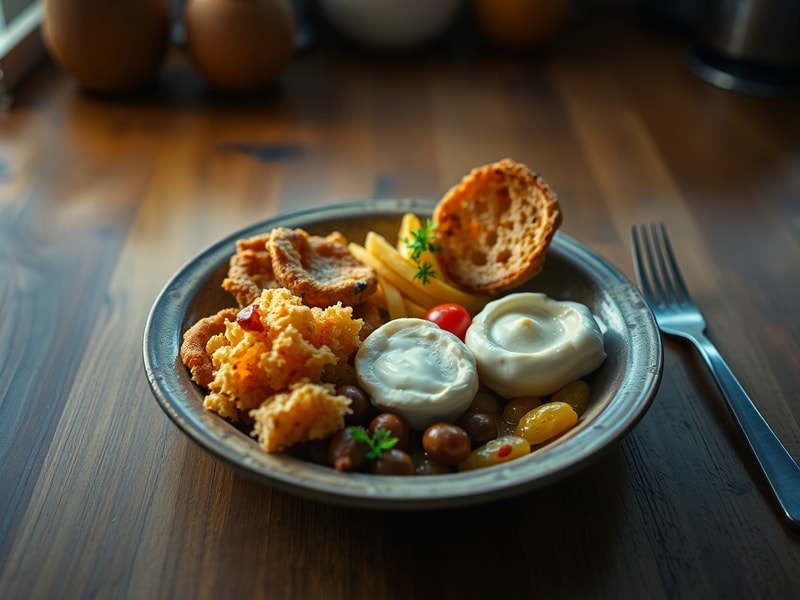
According to recent neurogastronomy research presented at the International Society of Neurogastronomy, our brains have distinct sensory pathways for different food textures, with separate 'stomachs' for different meal experiences that explain why variety prevents culinary burnout.[1] Michelle Murphy Niedziela, a leading neurogastronomy researcher, has shown that our brains predict food choice patterns based on textural diversity, further validating the importance of systematic texture variation in meal planning.[1]
The Physics of Texture: How Cooking Methods Modify Mouthfeel
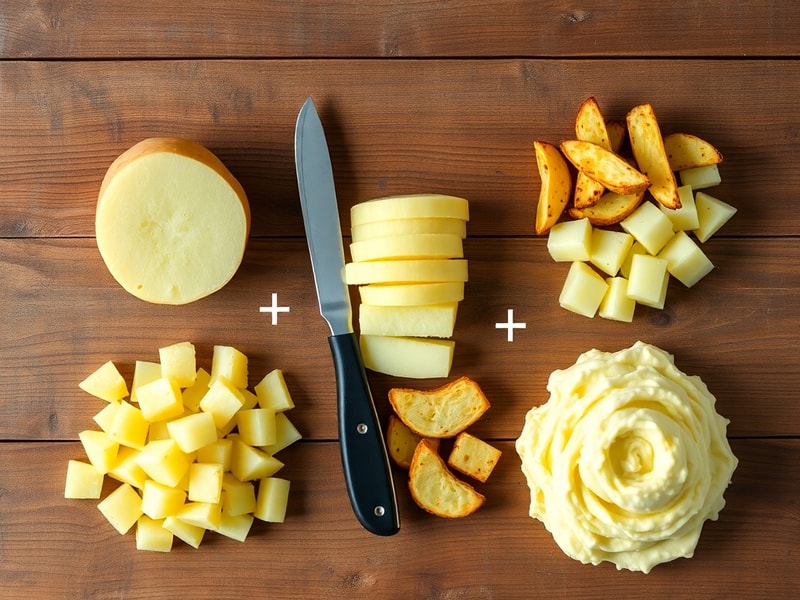
Industrial food science explains how specific cooking methods create textural diversity. Mechanical processes like chopping and grinding, thermal treatments such as baking and frying, and chemical modifications like marinating and curing all create distinct mouthfeel experiences that stimulate different sensory receptors.[2] MealsSolved's 2+1 Strategy applies these principles to home cooking, strategically employing various cooking methods to achieve textural contrast.
Culinary Science: Why Texture Contrast Matters More Than Flavor Alone
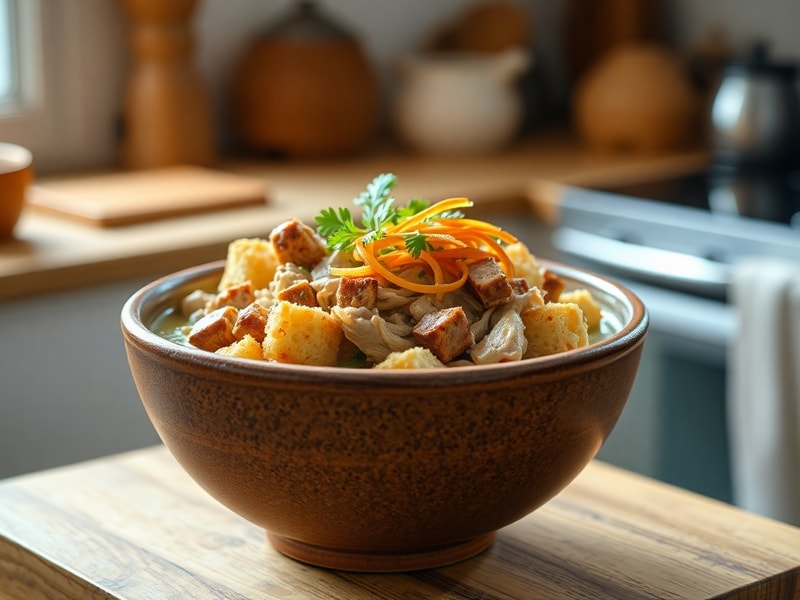
Culinary research confirms that 'texture matters more than you think'—not just how food feels but how it shapes taste perception and memory. Texture contrast improves flavor perception through multisensory integration, making meals more satisfying and memorable than flavor-only variety.[3] Chefs use layering and molecular gastronomy techniques to achieve textural contrast, paralleling how MealsSolved's freezer-breaker strategy creates systematic texture diversity.
Consumer Preferences: The Growing Demand for Textural Diversity
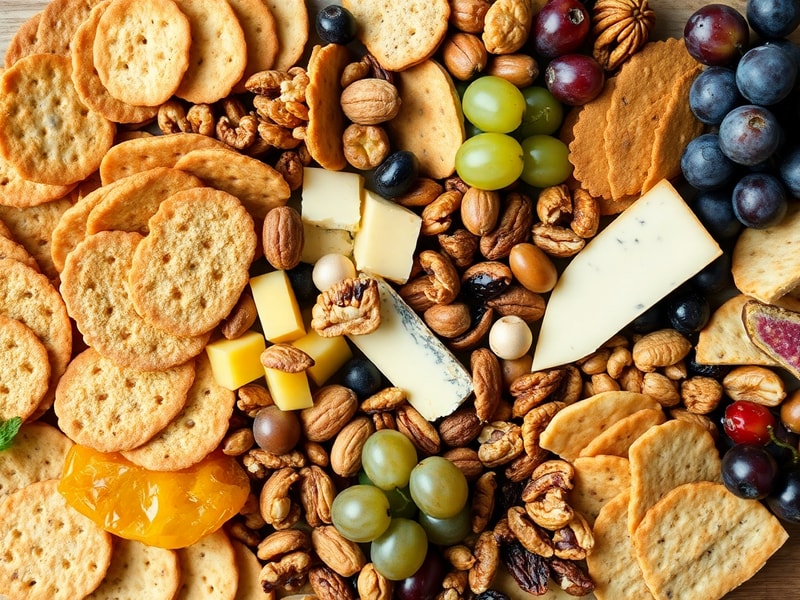
Market data shows that 43% of consumers actively seek unusual textures in food, with texture acting as a 'craveable' sensory driver that enhances perceived quality.[4] This consumer preference for texture diversity validates MealsSolved's focus on systematic texture variation, demonstrating that the 2+1 Strategy anticipates and leverages growing consumer preferences.
Technology and Texture: Modern Cooking Techniques Expand Textural Possibilities
Precision cooking methods like sous vide create distinct textures while preserving nutrients, offering home cooks texture-modification capabilities previously available only to professional chefs.[5] MealsSolved's 2+1 Strategy systematically incorporates these modern cooking techniques to prevent sensory adaptation and optimize both sensory and health dimensions of meal satisfaction.
Key Takeaway: To keep meals engaging and satisfying, focus on systematic texture variation through strategic cooking methods. MealsSolved's 2+1 Strategy applies industrial food science and neurogastronomy principles to home cooking, creating textural contrast that activates different neural pathways and enhances flavor perception.
Sources
[[1]] Neurogastronomy 2025 Conference Summary
[[2]] How Texture is Created or Changed Through Food Processing
[[3]] Textural Contrast in Plating: Science Behind It