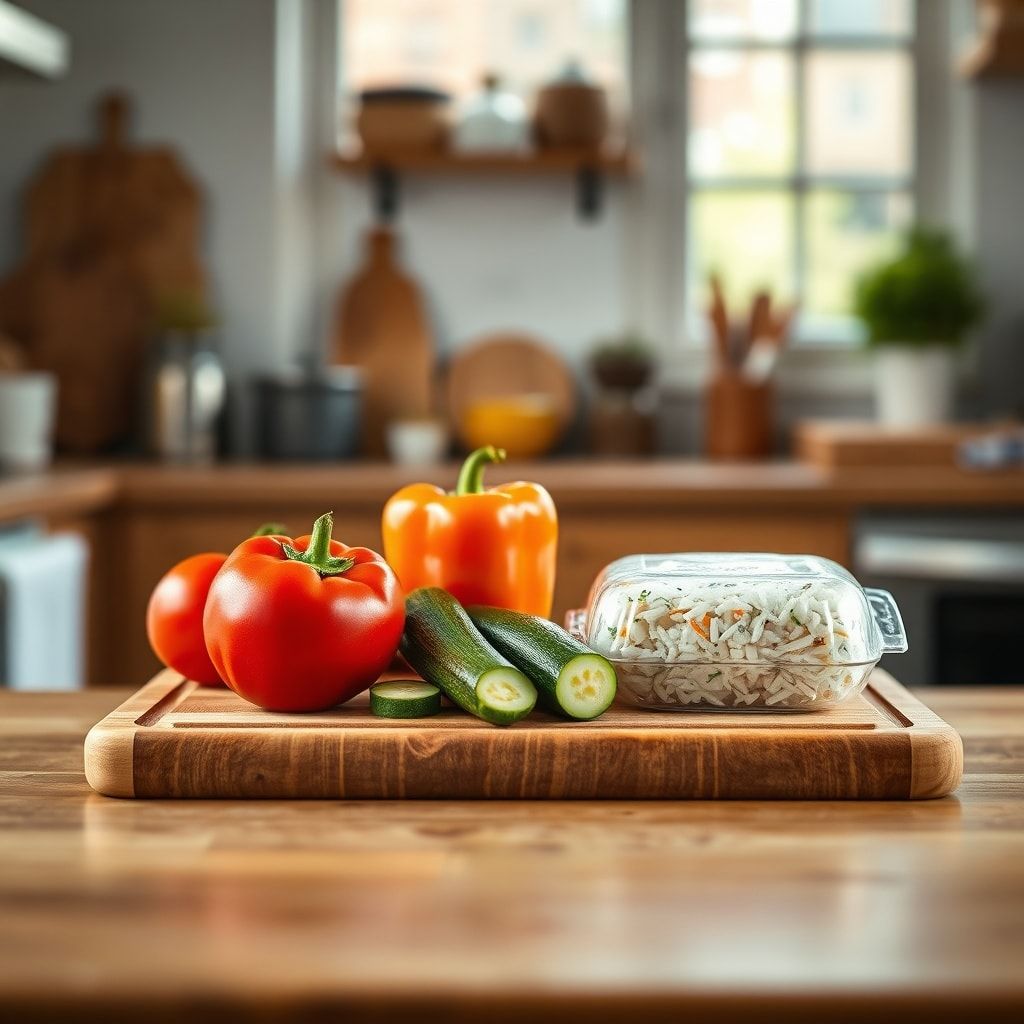
The Physics Of Food Fatigue Traditional Meal Prepping Fails And How The 2 Plus 1 Strategy Embraces Flavor Thermodynamics And Cognitive Momentum For Sustainable Home Cooking
Why meal prep fails: the science of flavor fatigue, food waste, & burnout. The '2+1' strategy uses food physics & cognitive momentum for sustainable cooking.
The Physics of Food Fatigue: Why Traditional Meal Prepping Fails and How the '2+1' Strategy Embraces Flavor Thermodynamics and Cognitive Momentum for Sustainable Home Cooking
Introduction
Meal prepping has long been hailed as the holy grail of home cooking, promising to save time, money, and mental energy. Yet, many of us find ourselves in a cycle of enthusiastic planning followed by inevitable failure. Why does this happen, and what can we do differently? Let's delve into the science behind food fatigue and explore how the '2+1' strategy respects the physical realities of home cooking.
The Thermodynamics of Flavor Fatigue
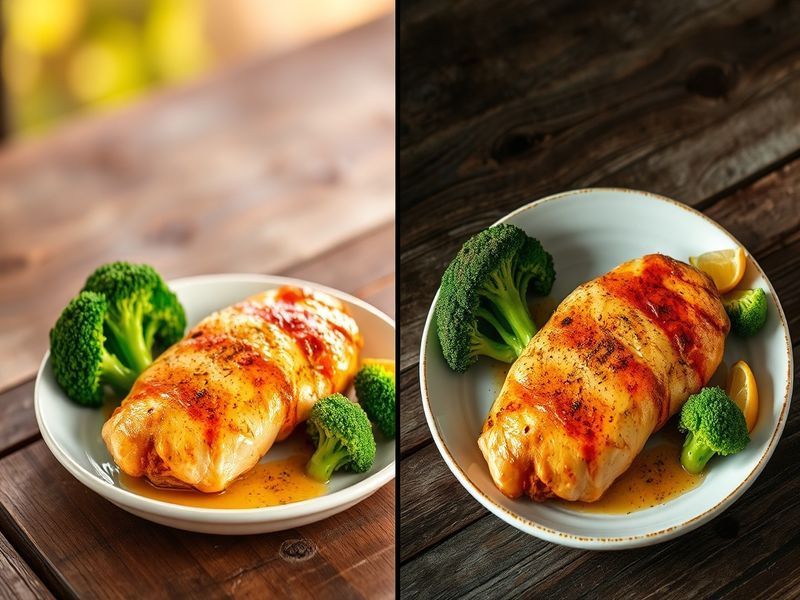
At the heart of meal prep failure lies a fundamental physical process: nutrient degradation. A 2025 scientific review[1] explains that enzymatic and oxidative reactions continue even after cooking, leading to changes in taste, texture, and nutritional value over time. This is the "thermodynamics of flavor fatigue," making Sunday's prepped chicken taste markedly different by Thursday.
Key factors influencing this degradation include temperature and time. Higher temperatures accelerate reactions, while longer storage periods exacerbate nutrient loss. This is why meal prepping often results in food that's less appealing and less nutritious by the end of the week.
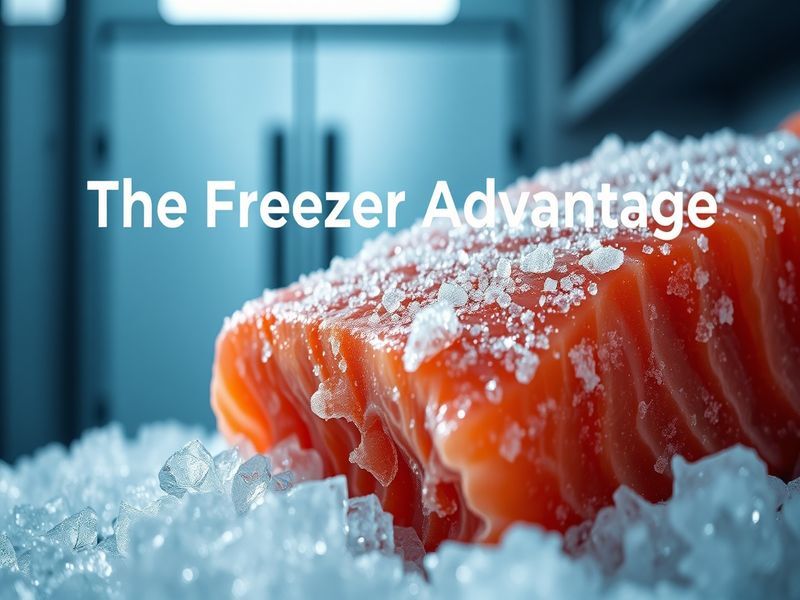
The Freezer Advantage: Combating Entropy
While fresh meal prep can quickly lead to flavor fatigue, the freezer offers a strategic advantage. Flash-freezing, as explained in a Brecon Foods article[2], preserves vitamins and cellular structure by halting enzymatic activity. This isn't just a convenient backup plan; it's a technologically superior component that actively combats the quality degradation inherent in prolonged fresh storage.
In the '2+1' strategy, the freezer meal serves as a thermal buffer, providing a consistent, high-quality option even when fresh ingredients have started to degrade. It's not a concession but a strategic application of food physics: halting entropy through rapid phase change.
The Logistics of Meal Prep: Adapting to Volatility
Meal prep failure isn't just about physical degradation; it's also about logistical adaptability. A 2025 study on shrinkflation[3] found that 33% of grocery items are affected, with size reductions sometimes exceeding 30%. This volatility in the food supply chain can lead to ingredient shortfalls or waste in rigid meal prep systems.
The '2+1' strategy's flexibility with a freezer buffer inherently adapts to this volatility. It's a more robust system against physical-economic disruptions, ensuring that you have what you need when you need it.
The Cognitive Burden of Meal Prep
The physical realities of meal prep aren't the only challenges we face. The psychological burden is significant, as highlighted in a 2025 article on cooking burnout[4]. The relentless obligation and exhaustion of constant cooking decisions can lead to a state of "cognitive overload," making it difficult to sustain a rigid meal prep routine.
The '2+1' strategy reduces this cognitive burden by creating a sustainable "cognitive flywheel." Starting the cooking process requires significant energy (overcoming inertia), and traditional prep demands a huge, unsustainable energy output on one day. The '2+1' system, with its lower activation energy, creates a more manageable, sustainable cooking rhythm.
The Economics of Food Waste
When meal prep fails, we're not just left with spoiled food and lost time; we're also out money. An EPA report[5] uses recent USDA data to quantify food waste, showing that rigid meal prep systems can lead directly to spoilage and financial loss.
The '2+1' strategy's built-in flexibility acts as a "pressure release valve" for the physical inventory, reducing the probability that fresh ingredients cross the entropy threshold into waste. This ties the physics of spoilage directly to household economics.
The Failure of Batch Cooking and the Promise of Personalization
The high failure rate of batch cooking is well-documented, with a 2025 study[6] finding that 94% of batch cooks fail by January. This isn't a failure of willpower; it's a systemic misalignment with the physical laws of food and cognitive energy.
The '2+1' strategy isn't just another meal plan; it's a system engineered for human and material reality. It's a personalized, adaptive approach that respects the thermodynamics of flavor fatigue, the thermal advantage of frozen food, the logistics of meal prep, the cognitive burden of cooking, and the economics of food waste.
Applying Lean Six Sigma Principles to the Kitchen
The '2+1' strategy can be seen as an application of industrial logistics to the kitchen. As explained in a 2025 article on Lean Six Sigma[7], principles like "Visual Management" and reducing waste (Muda) can be applied at home. Traditional meal prep violates these principles by creating large inventories prone to defects and overproduction. The '2+1' system, on the other hand, is a "Just-in-Time" / "Lean Kitchen" approach that matches production (cooking) more closely to demand, minimizing physical and cognitive waste.
Key Takeaway
The '2+1' strategy isn't just about convenience; it's about respecting the physical realities of home cooking. By embracing the thermodynamics of flavor fatigue, the thermal advantage of frozen food, the logistics of meal prep, the cognitive burden of cooking, and the economics of food waste, we can create a sustainable, enjoyable, and efficient home cooking experience.
Sources
[1] Nutrient Loss During Food Preservation [2] The Benefits of Flash-Freezing [3] Shrinkflation Statistics [4] Why Many People Burned Out Cooking [5] The Cost of Food Waste [6] Batch Cooking Burnout [7] Applying Lean Six Sigma at Home