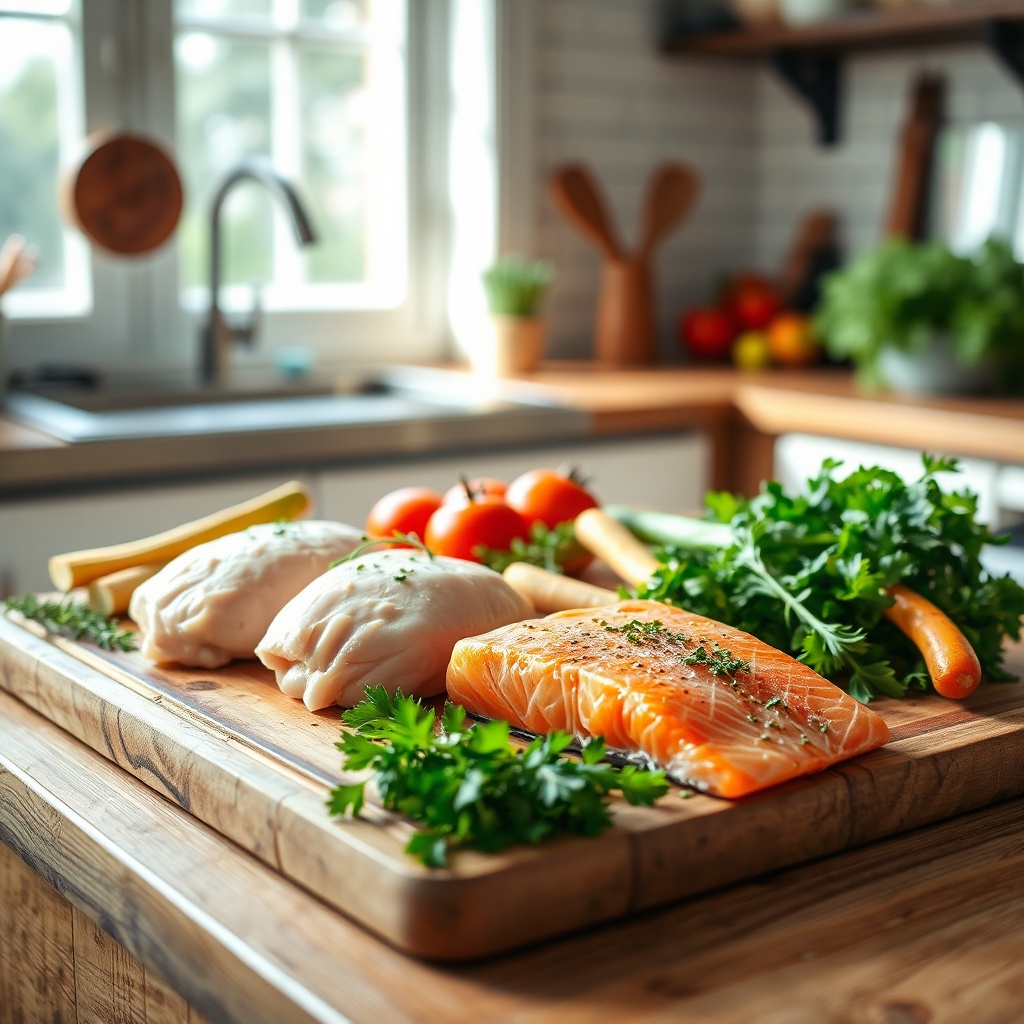
The Neurogastronomic Satisfaction Paradox Strategic Meal Variety For Maximum Enjoyment
Discover the 2+1 Strategy: How limited meal variety maximizes enjoyment & minimizes decision fatigue using neurogastronomy. Science-backed meal planning.
The Neurogastronomic Satisfaction Paradox: Strategic Meal Variety for Maximum Enjoyment
Meal planning often feels like a balancing act between repetition and overwhelm. Too much variety, and you're faced with decision fatigue; too little, and meals become bland and unappealing. But what if there's a strategic sweet spot that maximizes enjoyment while minimizing cognitive load? Enter the Neurogastronomic Satisfaction Paradox: a concept that leverages sensory science to explain why the 2+1 Strategy creates maximum enjoyment with minimal decision fatigue.
The Science of Flavor: Where Taste Meets the Brain
To understand the paradox, let's first delve into the complex world of neurogastronomy, the neuroscience of flavor perception. A 2026 study by Uçuk, Süzer, and Spence reveals that flavor isn't just about taste buds; it's a multifaceted neural process involving smell, texture, temperature, and memory. This means that strategic meal planning can engage and delight our brains by playing with these sensory dimensions.
The Paradox: How Limited Variety Maximizes Enjoyment
The paradox lies in how structured, limited variety (two fresh proteins + one freezer-breaker) actually creates more neural activation and hedonic enjoyment than either complete monotony or overwhelming choice. This goes against our intuitive assumption that more variety equals more pleasure. So, how does this work?
Sensory-Specific Satiety: The Key to Strategic Variety
The key to understanding the paradox lies in a concept called sensory-specific satiety. This is the phenomenon where the pleasantness of a particular food decreases as we consume it, leading to decreased enjoyment over time. However, new sensory profiles remain appealing, keeping our meals interesting and satisfying. A 2026 study on sensory-specific satiety and variety explains this mechanism perfectly.
The 2+1 Strategy: Optimizing Variety at the Neurobiological Level
The 2+1 Strategy optimizes variety at the neurobiological level by providing enough repetition for efficiency but not enough to trigger complete sensory adaptation. Here's how it works:
-
Two Fresh Proteins: These provide enough repetition for efficiency, but not so much that they trigger sensory adaptation. This means you'll still enjoy your meals throughout the week without feeling overwhelmed by too much variety.
-
One Freezer-Breaker: This component provides the novel sensory input needed to maintain overall meal enjoyment. By introducing a different texture, temperature, and preparation method (frozen), it resets sensory receptors and prevents the diminished enjoyment that occurs with repeated fresh proteins.
Strategic Variety as Sensory Education
The 2+1 Strategy functions as a form of "sensory education" for home cooks, teaching us to appreciate diverse textures, flavors, and preparation methods. A 2026 study on food-related sensory activities for children in educational settings demonstrates how structured sensory experiences increase food enjoyment and positive eating behaviors. By transforming routine meal preparation into deliberate sensory experiences, the 2+1 Strategy maintains engagement and pleasure, preventing meal fatigue and waste.
Applying Neurogastronomy to Home Cooking
Professional food scientists now recognize that strategic sensory variety is key to maintaining consumer engagement. The 2+1 Strategy applies these industrial insights to home cooking, aligning with contemporary food science and consumer understanding. A Nofima project from a leading European food research institute highlights how modern sensory science connects perception with eating behavior and consumer preferences. The freezer-breaker component represents a practical application of food innovation principles combined with sensory science to create optimal variety.
Key Takeaway: Variety, But Not Too Much
Pro Tip: To maximize enjoyment and minimize decision fatigue, aim for strategic variety in your meal planning. The 2+1 Strategy—two fresh proteins plus one freezer-breaker—strikes the perfect balance between repetition and overwhelm, creating a neurogastronomic satisfaction paradox that keeps your meals interesting and satisfying.