Home Kitchen Micro Restaurant Inventory Management
Apply professional restaurant inventory techniques to your home kitchen. Reduce waste, save money, and master meal planning with MealSolved.
The Home Kitchen as a Micro-Restaurant: Streamlining Meals and Saving Money with Professional Inventory Management
Transform your home cooking with these restaurant-inspired strategies
Hello, kitchen heroes! Today, we're going to tackle a topic that's close to our hearts and good for our wallets: applying professional restaurant inventory management principles to our home kitchens. By doing so, we can dramatically reduce food waste, lower grocery bills, and alleviate decision fatigue. Let's dive in!
The Psychology Behind Structured Meal Planning
Before we start organizing our pantries like pro chefs, let's understand why structured meal planning is crucial. Decision fatigue is a real thing, and it significantly impacts our food choices. A December 2025 study from the journal Nutrients shows that decision fatigue leads to depleted mental energy and poorer decision-making abilities, particularly in food choice contexts. This depletion increases our reliance on convenience foods and impulsive choices, which often results in food waste and higher costs. By implementing restaurant-style inventory systems at home, we can reduce daily decision points and make sustainable home cooking habits the norm.
The Economic Case for Strategic Inventory Management
With food prices rising, now is the perfect time to adopt restaurant-inspired inventory management strategies at home. An industry analysis from Food Industry Executive demonstrates that inflation is reshaping consumer purchasing toward frozen foods and other longer-lasting options. Households are seeking strategic solutions that offer longer shelf life, reduced waste, and portion control—key advantages that align perfectly with professional inventory management principles.
Restaurant Inventory Management Techniques for Home Kitchens
Now that we understand the why let's dive into the how. A comprehensive 2025 guide to professional restaurant inventory management from Supy provides concrete principles that we can adapt for home use. Here are some actionable strategies to transform your home kitchen into a well-oiled, micro-restaurant machine:
1. Cycle Counting: Regular Partial Inventory Checks

In restaurants, cycle counting involves conducting regular partial inventory checks throughout the month instead of one big audit at the end. At home, this could mean dedicating 15 minutes every Sunday to check on key ingredients and adjust your meal plan accordingly. This way, you'll always know what you have and what you need, reducing waste and last-minute trips to the store.
2. Standardized Units of Measurement
Restaurants standardize their inventory to simplify tracking and reduce errors. At home, this means using consistent units of measurement for all your recipes. Instead of having some recipes in cups and others in grams, choose one unit and stick to it. This will make it easier to track ingredients and ensure you're using the right amount every time.
3. Variance Tracking: Comparing Expected vs. Actual Usage

Professional kitchens track the variance between expected and actual ingredient usage to identify trends and reduce waste. At home, you can do this by keeping a simple log of what you use and when. This will help you understand your family's consumption patterns and adjust your meal plan accordingly. For example, if you notice you're always running out of milk on Tuesday, you can plan to buy more on Monday.
4. Waste Logging: Track and Learn from Waste
Restaurant kitchens track waste to identify areas for improvement. At home, you can do this by keeping a log of wasted food. This will help you understand what's going wrong and adjust your strategies accordingly. For example, if you notice you're wasting a lot of fresh produce, you might need to adjust your meal plan to include more recipes that use up those ingredients.

Restaurants use automated ordering systems to ensure they always have what they need, when they need it. At home, you can achieve this by planning your meals in advance and creating a shopping list based on that plan. This will help you avoid impulse buys and ensure you have everything you need for the week ahead.
MealSolved's 2+1 Strategy: The Perfect Vehicle for These Principles
MealSolved's 2+1 strategy—planning around two fresh core proteins plus one freezer-breaker—is the perfect vehicle for these restaurant-inspired inventory management principles. By using this strategy, you can:
-
Reduce decision fatigue by having a clear meal plan for the week.
-
Minimize waste by ensuring you use up ingredients before they spoil.
-
Save money by buying in bulk and planning meals around sales and discounts.
-
Streamline your shopping by creating a list based on your meal plan.
The Impact of Structured Meal Planning on Household Savings and Waste Reduction
The potential impact of these strategies is significant. New data from Morningstar shows that simple shopping shifts could save U.S. households up to $1,500 annually while reducing food waste. By adopting restaurant-inspired inventory management principles and using MealSolved's 2+1 strategy, you can achieve these savings and waste reduction outcomes in your own home.
Pro Tip: To maximize your savings and reduce waste, consider using a dedicated app or spreadsheet to track your inventory, meal plan, and shopping list. This will help you stay organized and make the most of these strategies.
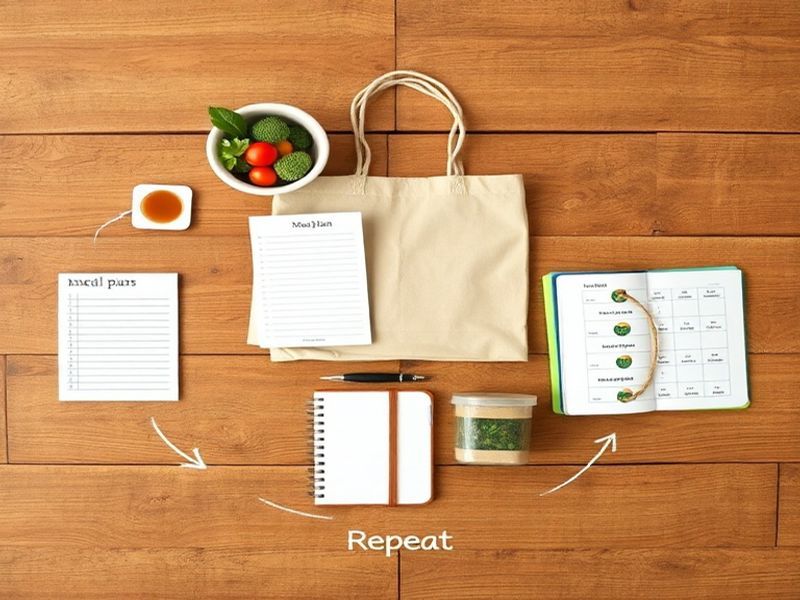
Here's a simple visual representation of how these strategies can work together to create a streamlined home kitchen inventory management system:
-
Meal Planning: Use MealSolved's 2+1 strategy to plan your meals for the week.
-
Inventory Check: Conduct a quick cycle count to see what you have on hand.
-
Shopping List: Create a shopping list based on your meal plan and inventory check.
-
Grocery Shopping: Stick to your list to avoid impulse buys.
-
Waste Logging: Keep a log of wasted food to identify areas for improvement.
-
Variance Tracking: Compare expected vs. actual usage to refine your meal plan and shopping list.
-
Repeat: Start the process again with a new meal plan and inventory check.
Conclusion: Transform Your Home Kitchen into a Well-Oiled Machine
By applying professional restaurant inventory management principles to your home kitchen, you can dramatically reduce food waste, lower grocery bills, and alleviate decision fatigue. With MealSolved's 2+1 strategy as your guide, you can create a structured meal planning system that saves you time, money, and mental energy while promoting sustainability. So, what are you waiting for? Start transforming your home kitchen into a well-oiled, micro-restaurant machine today!