
The Nutrient Preservation Paradox Maximizing Freshness And Nutrition With Strategic Freezer Use
Fresh isn't always best. Discover how MealSolved's 2+1 strategy uses your freezer to lock in peak nutrition, cut waste, and beat decision fatigue.
The Nutrient Preservation Paradox: Maximizing Freshness and Nutrition with Strategic Freezer Use
In the pursuit of a healthy lifestyle, many home cooks prioritize fresh ingredients, assuming that fresh equals more nutritious. However, the journey from farm to table often degrades the nutritional value of fresh produce, while modern freezing technology can preserve and even enhance certain nutrients. This article explores the nutrient preservation paradox and demonstrates how MealSolved's 2+1 strategy leverages this scientific reality to maximize nutritional ROI while minimizing waste.
The Freshness Myth: Nutrient Degradation in Transit and Storage
Conventionally, fresh produce is harvested, transported, and stored under conditions that degrade its nutritional content. Here's why:
- Transportation: Vibrations and temperature fluctuations during transport can break down delicate cell structures, reducing nutrient levels.
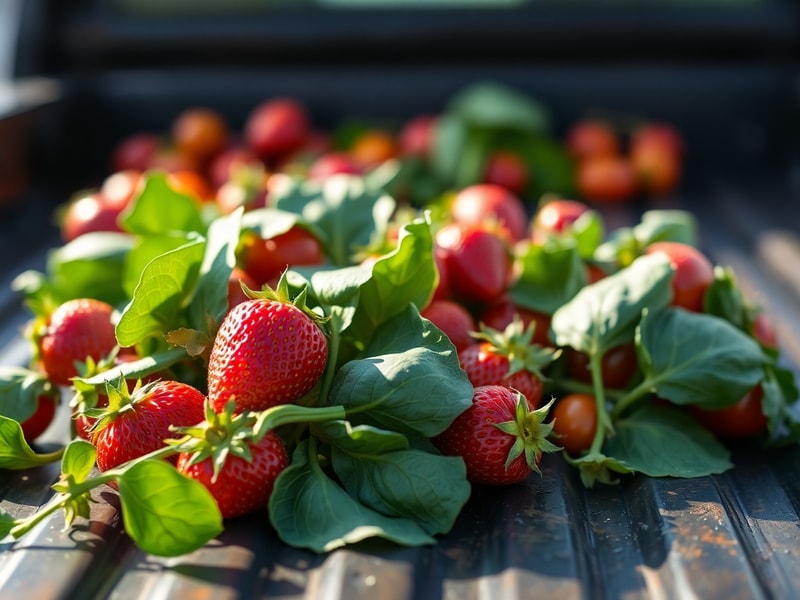
(https://www.freshplaza.com/article/9366565/fresh-produce-logistics-optimizing-transport-and-storage)
- Storage: Without immediate consumption, fresh produce continues to respire, consuming energy and breaking down nutrients. Even with optimal storage conditions, fresh produce loses nutrients over time.
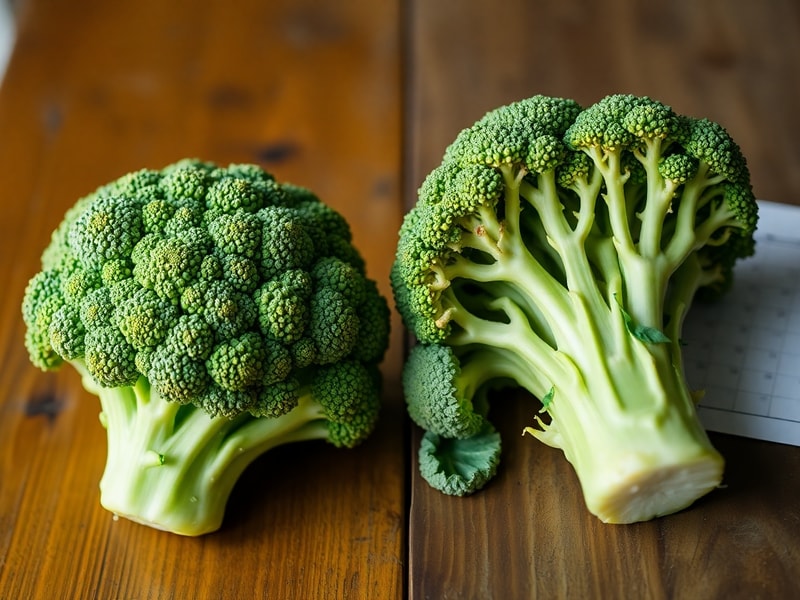
(https://www.foodnavigator.com/Article/2021/03/18/Fresh-produce-losses-nutrients-during-storage)
The Freezer's Secret: Nutrient Preservation and Enhancement
Contrary to popular belief, flash freezing can preserve and even enhance the nutritional value of fruits and vegetables. Here's how:
- Flash Freezing: Rapid freezing preserves produce at its peak ripeness, locking in nutrients and preventing further degradation.

(https://www.freshplaza.com/article/9366565/fresh-produce-logistics-optimizing-transport-and-storage)
- Vitamin E Boost: Research from UC Davis found that freezing has a positive effect on vitamin E content compared to fresh produce, which degrades during transport and storage.
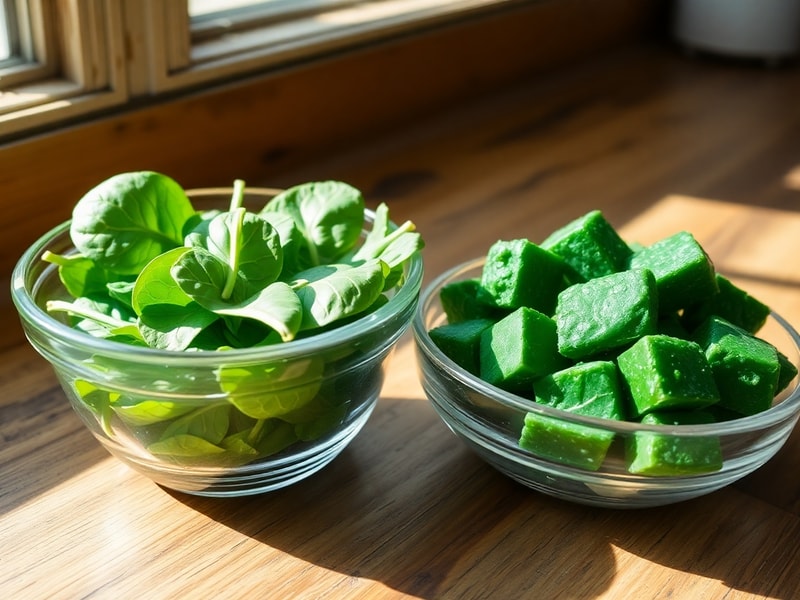
(https://affi.org/research/uc-davis-study)
The 2+1 Strategy: Strategic Freezer Use for Maximum Nutritional Value
MealSolved's 2+1 strategy combines the freshness of recently purchased ingredients with the nutritional preservation of frozen produce, optimizing your kitchen ecosystem.
Plan Around Two Fresh Core Proteins
By planning meals around two fresh core proteins, you ensure variety and nutritional density in your diet while minimizing waste. This approach allows you to take advantage of fresh produce's superior texture and flavor while understanding its limitations in nutrient preservation.
Supplement with One Freezer-Breaker
Incorporating one freezer-stored meal per week (your 'freezer-breaker') ensures a steady supply of nutrient-rich, time-saving meals. This strategic use of frozen ingredients maximizes nutritional ROI by preserving peak ripeness and enhancing certain nutrients.
The Economic and Psychological Benefits of Strategic Freezer Use
Adopting a strategic freezer use approach not only maximizes nutritional value but also offers economic and psychological benefits:
- Cost Savings: By planning meals around strategic freezer use, you can reduce food waste and save money. According to the EPA, American households now waste $2,913 worth of food annually, creating both financial and environmental costs that structured meal planning directly addresses.
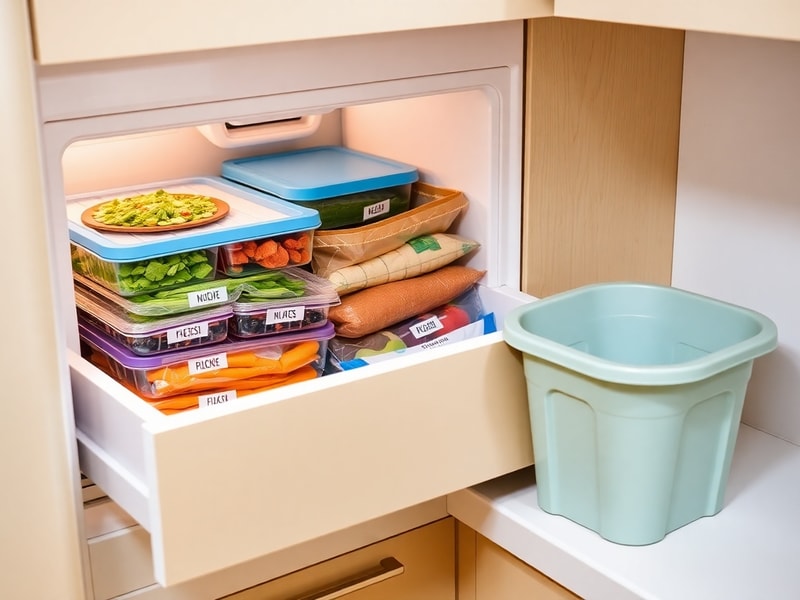
(https://www.epa.gov/land-research/estimating-cost-food-waste-american-consumers)
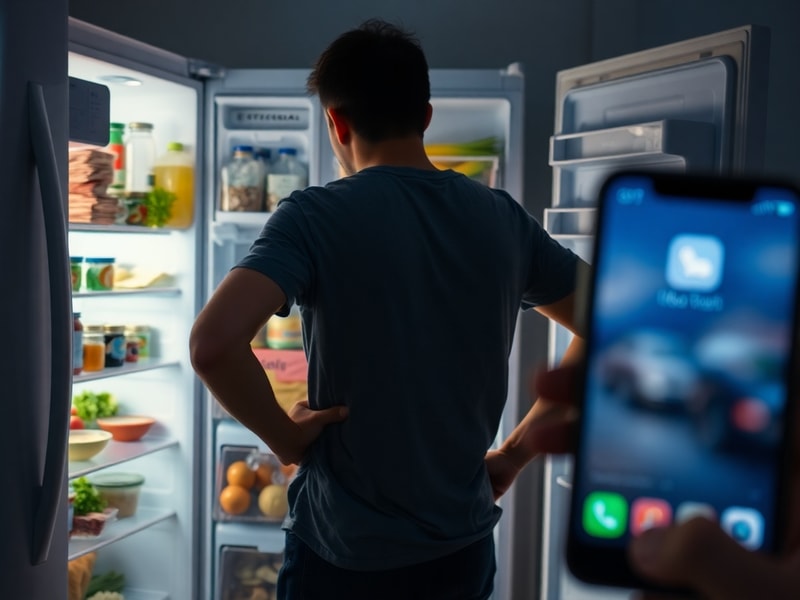
- Decision Fatigue Reduction: MealThinker's 2026 analysis of food decision fatigue reveals that 77% of Americans are too exhausted to cook after work, with the '5pm paralysis' resulting in either expensive delivery orders or nutritionally-empty convenience meals totaling nearly $4,700 annually. MealSolved's pre-planned system eliminates the evening decision burden, solving this psychological reality.
(https://mealthinker.com/blog/food-decision-fatigue)
Key Takeaway: Strategic Freezer Use Captures Maximum Nutritional Value
In the pursuit of optimal nutrition, fresh isn't always best. By understanding the nutrient preservation paradox and adopting MealSolved's 2+1 strategy, home cooks can maximize nutritional ROI, minimize waste, and reduce decision fatigue. So, embrace the freezer as your secret weapon in the quest for a healthier, more efficient kitchen ecosystem.
Pro Tip: When freezing produce, blanch first to preserve texture and color, then flash freeze in a single layer before transferring to an airtight container or freezer bag. This ensures peak nutrient preservation and easy access when meal planning.