The Antifragile Kitchen Building Resilience With Mealsolveds 2plus1 Strategy
Turn kitchen chaos into strength. Learn how MealSolved's 2+1 strategy builds a resilient, antifragile kitchen that thrives on volatility and unpredictability.
The Antifragile Kitchen: Building Resilience with MealSolved's 2+1 Strategy
In today's volatile world, home kitchens face unprecedented challenges: supply chain disruptions, price spikes, and ever-changing schedules. Traditional meal planning often falls short, leaving us with wasted food, empty pantries, or takeout orders. But what if our kitchens could gain from these very volatilities? Enter the concept of antifragility—systems that improve under stress. Let's explore how MealSolved's 2+1 strategy builds antifragile kitchens that thrive on disorder.
Understanding Antifragility in Kitchen Systems
Antifragility, a term coined by Nassim Nicholas Taleb, describes systems that gain from disorder, volatility, and stressors. In the context of home cooking, antifragile kitchens don't just survive unexpected events; they improve and adapt because of them. To create such a kitchen, we must first understand why traditional approaches fall short.
Fragile, Robust, and Antifragile Kitchens
Most kitchen systems are fragile: rigid meal preps spoil with schedule changes, single-recipe plans fail with taste fatigue, and all-fresh approaches collapse with grocery price spikes. Some are robust: they survive shocks but don't improve. The antifragile kitchen, however, uses strategic flexibility to benefit from volatility.
The 2+1 Strategy: Antifragility in Action
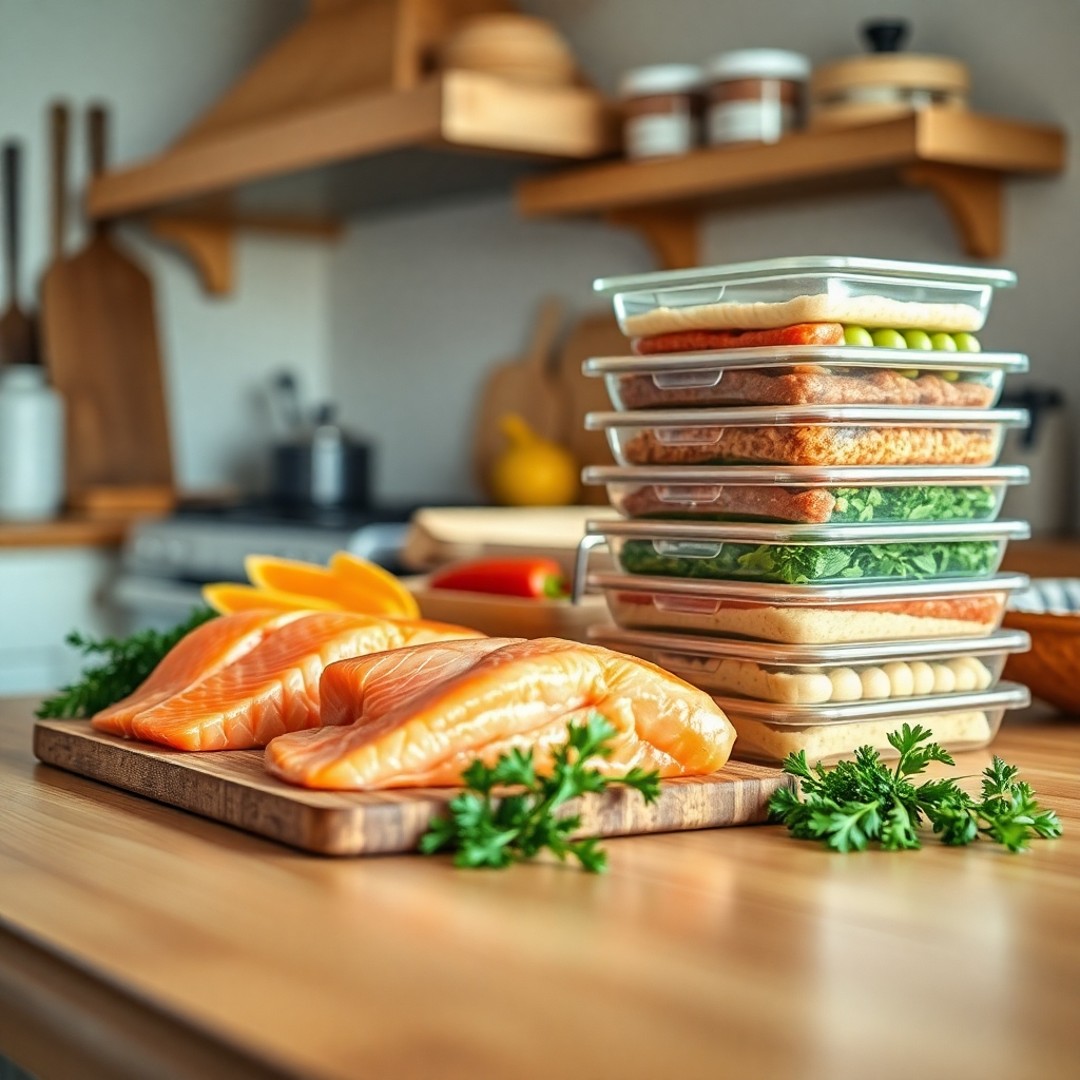
MealSolved's 2+1 strategy—planning around two fresh core proteins plus one freezer-breaker—is a practical application of antifragile systems thinking. Here's how it works:
1. Fresh Proteins: The Core of Your Kitchen Ecosystem
Planning around two fresh proteins (like chicken and fish) provides variety and ensures you're eating a balanced diet. This core system is robust: it survives minor disruptions like a forgotten ingredient or a slight change in plans. However, it's not antifragile on its own—it doesn't gain from volatility.
2. The Freezer-Breaker: Your Antifragile Adaptation
The freezer-breaker—pre-made meals stored in the freezer—is the antifragile component of the 2+1 strategy. It's not just a backup; it's an active inventory that creates culinary variety while building resilience.
Gaining from Volatility
-
Price Spikes: When fresh prices spike, the freezer-breaker's value increases. It becomes an inflation hedge, ensuring you're not forced to overspend or compromise on nutrition.
-
Schedule Changes: Unexpected events like a late meeting or a sick child turn freezer meals into stress-relievers. They're ready when you are, reducing decision fatigue and wasted energy.
-
Taste Fatigue: Rotating freezer meals keeps your menu fresh and varied, preventing taste fatigue and ensuring you're getting a wide range of nutrients.
Adapting and Improving
The freezer-breaker isn't just about surviving disruptions; it's about adapting and improving. By actively rotating inventory, you create a system that learns from your family's tastes and needs. Over time, your freezer becomes a repository of knowledge, filled with meals that have proven to be crowd-pleasers or that provide essential nutrients.
Building Your Antifragile Kitchen
Creating an antifragile kitchen isn't about stockpiling food or preparing for doomsday. It's about building a dynamic, adaptive system that works for you, not against you. Here's how to get started:
1. Embrace Strategic Flexibility
Accept that volatility is the new normal. Plan for it, and your kitchen will gain from it.
2. Plan Around Your Core Proteins
Choose two fresh proteins that you and your family enjoy. This will form the robust core of your kitchen ecosystem.
3. Build Your Freezer Inventory
Start small. Make extra portions of your favorite meals and freeze them. Over time, your freezer inventory will grow, providing a buffer against volatility.
4. Rotate Actively
Make rotating your freezer inventory a habit. This will ensure that your freezer meals are fresh and varied, preventing waste and ensuring you're getting a wide range of nutrients.
5. Learn and Adapt
Pay attention to what works and what doesn't. Your freezer inventory should be a living, breathing system that adapts to your family's needs and tastes.
Key Takeaway: The 2+1 strategy isn't just about meal planning; it's about building a resilient, antifragile kitchen that gains from volatility and adapts to your family's needs.
The Future of Home Cooking: Antifragile by Design
As our world becomes more volatile, our kitchens must evolve to meet these challenges. The 2+1 strategy offers a practical, data-driven approach to building antifragile kitchens that thrive on disorder. By embracing strategic flexibility, planning around our core proteins, and building an active freezer inventory, we can create kitchens that don't just survive life's unpredictability—they use it to become stronger over time.
Sources: