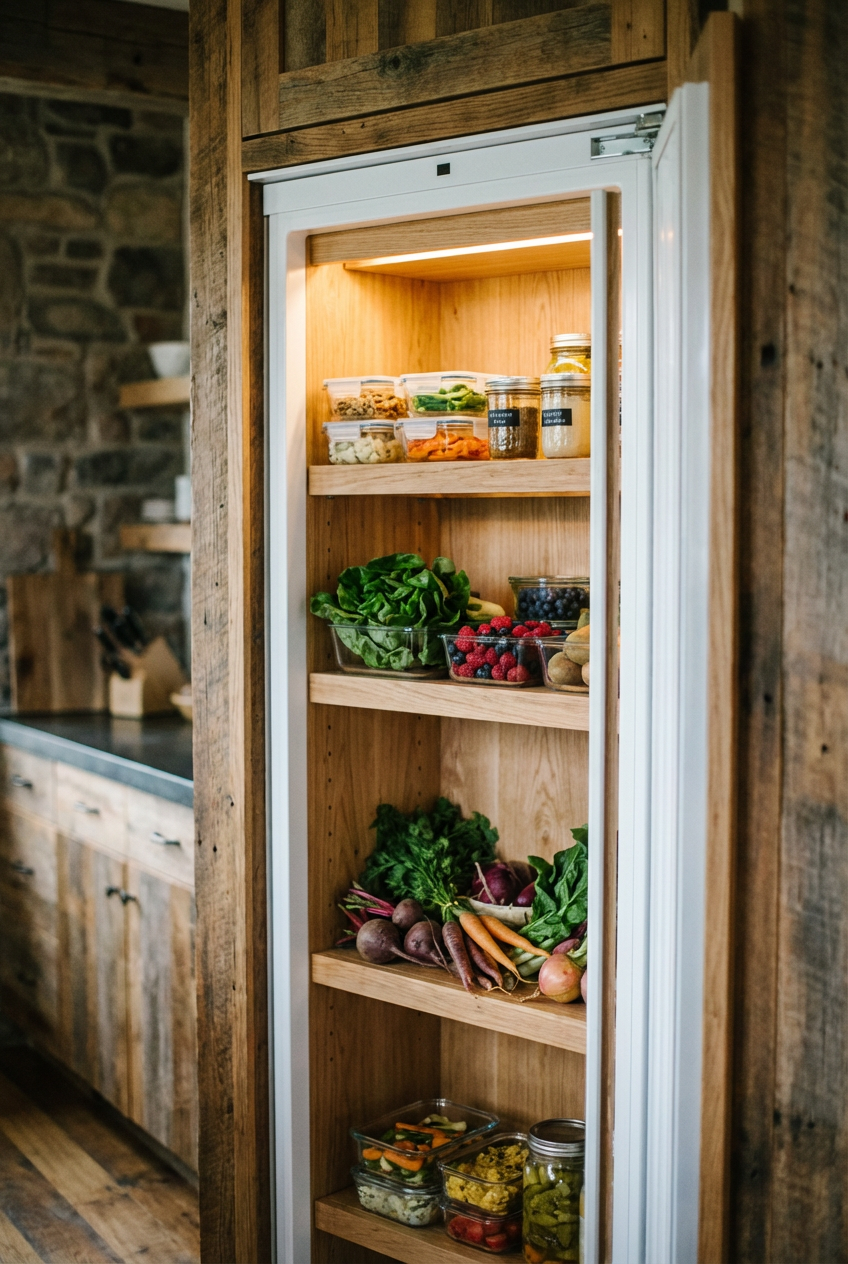
The Death of "What’s for Dinner?": Why You Need a Kitchen Operating System
Stop the 5:30 PM panic. We analyze the measurable cost of decision fatigue and introduce the logistic strategy to systematize your weeknight cooking.
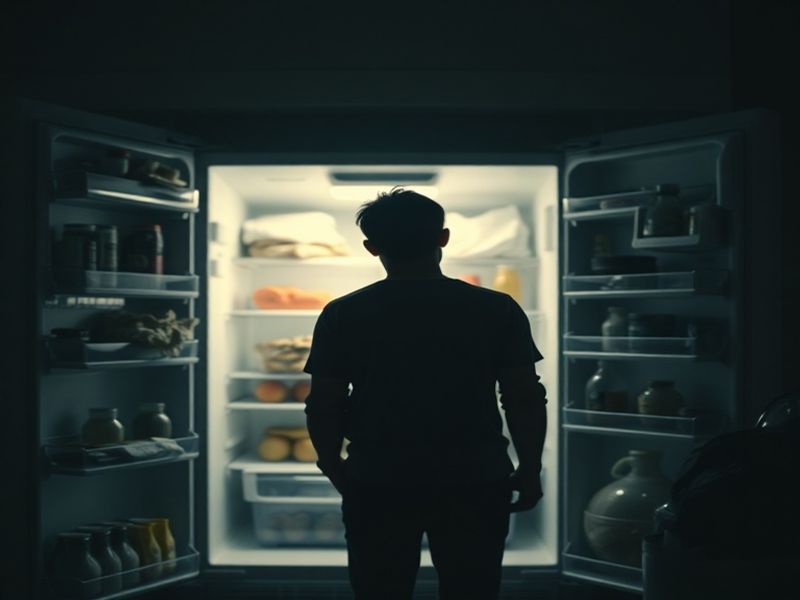
It is 5:30 PM. You have just finished a day of work, managed a dozen crises, and closed the laptop. You walk into the kitchen, open the refrigerator door, and stare.
This is the universal pain point: a fridge full of ingredients but no plan. In the business world, this is called a supply chain breakdown. In the kitchen, it is a recipe for stress, takeout, and waste. The question "What’s for dinner?" isn't just annoying; it is a recurring tax on your mental bandwidth and your household budget.
The High Cost of Decision Fatigue
Every time you ask what to cook at the last minute, you are engaging in expensive context switching. You are forcing your brain to transition from "rest mode" or "work mode" into "logistics manager mode" when your energy is at its lowest. This inefficiency doesn't just feel bad; it produces measurable physical waste.
When there is no system in place, perishable inventory (groceries) turns into trash. The data is staggering. A recent analysis indicates that in the United States, we waste approximately 73 kg of food per capita annually. That is nearly 160 pounds of purchased product thrown directly into the bin every year for every person in your house.
This isn't just an American problem; it's a structural failure of the modern home. Globally, households are the biggest offenders, accounting for 11% of total global food waste (~569 million tonnes annually). This confirms a simple operational truth: nightly decision fatigue directly translates to financial loss.
MealSolved: A Logistics Approach
Most food blogs offer recipes. They give you a product. MealSolved offers a process. We aren't here to tell you how to chop an onion; we are here to remove the mental load of deciding when to chop it.
Our goal is to apply engineering principles—like Just-In-Time (JIT) inventory and batch processing—to the home kitchen. It is about moving from a "reactive" state (panic cooking) to a "proactive" system.
The 2+1 Strategy
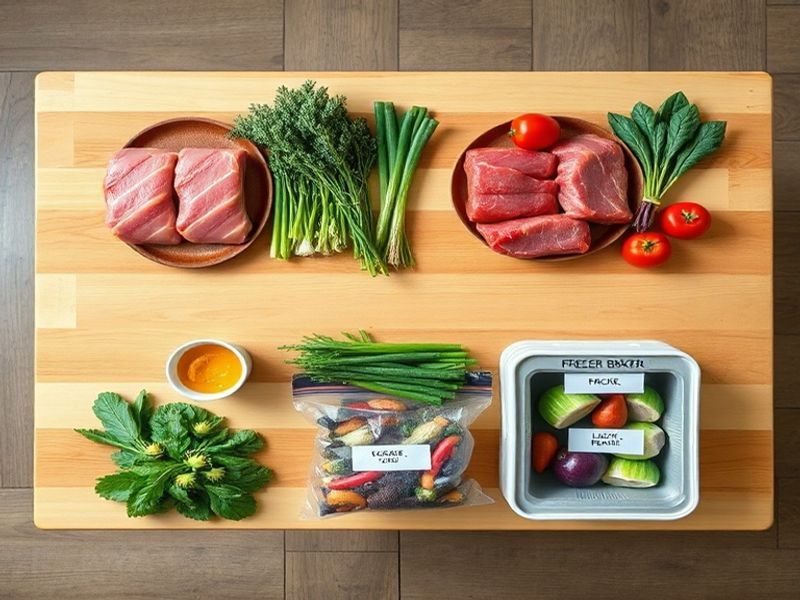
The core of our system is the 2+1 Strategy. It avoids the rigidity of traditional meal prepping (where you eat the same sad leftovers all week) and the chaos of no plan. The framework is simple:
- 2 Fresh Core Proteins: Plan two distinct fresh meals that anchor your week.
- 1 Freezer-Breaker: A strategic, pre-prepped meal pulled from inventory to handle the busiest night.
This ratio keeps shopping lists efficient and ensures reliable inventory turnover without requiring you to spend your entire Sunday in the kitchen.
Welcome to The Kitchen Log
This blog, The Kitchen Log, serves as the documentation for this journey. We will be publishing insights, updates, and strategies for smarter cooking. We will dissect the ROI of bulk buying, analyze the workflow of a prep-heavy Sunday versus a disjointed Tuesday, and help you build a kitchen system that runs on autopilot.
We are killing "What’s for dinner?" so you can get back to actually enjoying your meal.