The Psychology Of Grocery Shopping How Retailers Manipulate Us And How To Fight Back With The 2 Plus 1 Strategy
Learn how supermarkets manipulate your decisions and discover the 2+1 Strategy to take back control, reduce waste, and save money on groceries.
The Psychology of Grocery Shopping: How Retailers Manipulate Us and How to Fight Back with the 2+1 Strategy
Welcome to another edition of The Kitchen Log, where we're diving deep into the fascinating world of grocery shopping psychology. Today, we're exploring how retailers exploit our cognitive biases to maximize profits, and how you can take control of your shopping habits with the 2+1 Strategy. Let's get started!
The Battle for Your Basket: Retail Psychology 101
Before we dive into the 2+1 Strategy, let's first understand the retail psychology tactics that supermarkets use to influence our purchasing decisions.
Choice Architecture: The Supermarket Maze
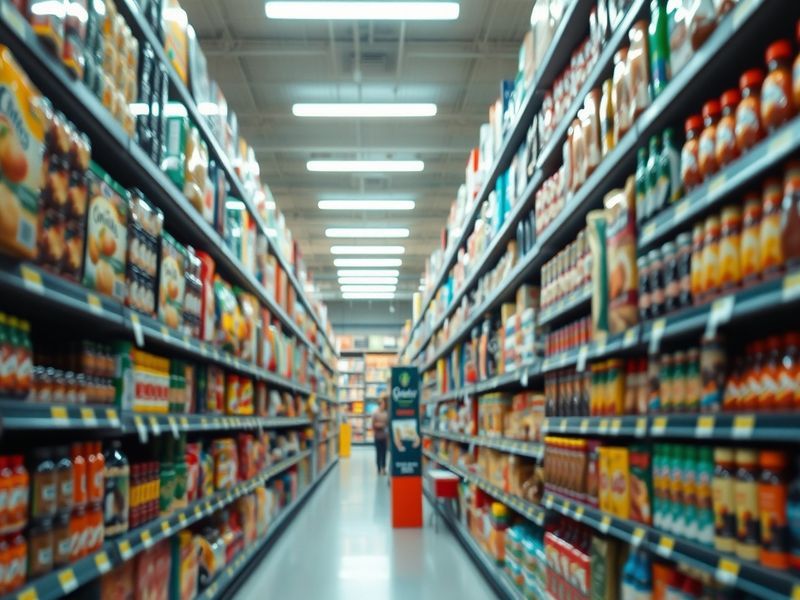
Supermarkets are designed to confuse and overwhelm, exploiting our cognitive biases to increase sales. This is known as choice architecture, and it's a powerful tool that retailers use to manipulate our behavior. From confusing layouts to strategically placed products, supermarkets are designed to make us spend more time (and money) in their stores.
**
Source: The Atlantic
Bundle Marketing: The Illusion of Savings
Supermarkets use bundle marketing to exploit our cognitive biases and make us feel like we're getting a deal. But are we really?
A 2022 study found that shoppers under cognitive load were nearly four times more likely to select food bundles, even when those bundles offered no price discount. This is because our brains default to bundled choices when we're stressed or overwhelmed, making us less likely to compare prices or make informed decisions.
**
Source: MDPI Foods
Retailtainment: Shopping as Entertainment
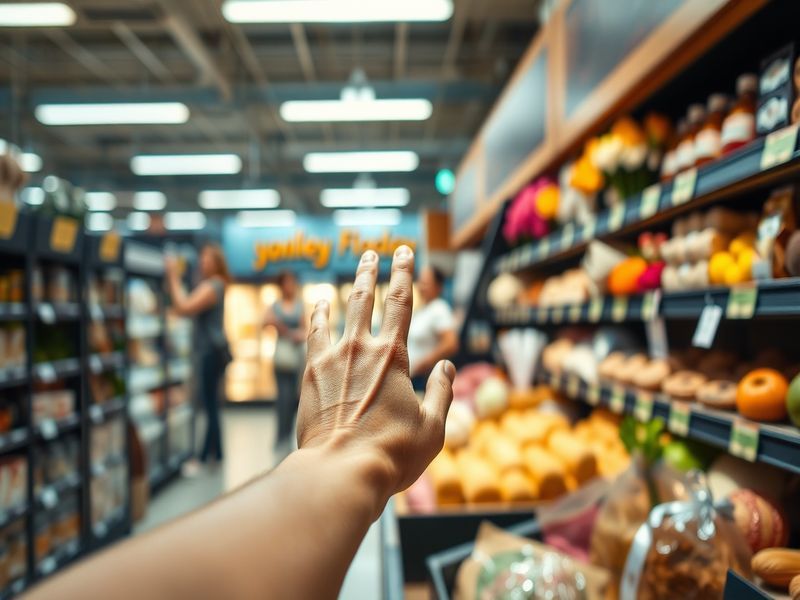
Supermarkets are increasingly blurring the line between shopping and entertainment, creating immersive experiences that encourage us to spend more time (and money) in their stores. This is known as retailtainment, and it's a powerful tool that retailers use to increase sales.
A 2023 study found that shopping enjoyment increased impulse buying, meaning that the more fun we have shopping, the more likely we are to overspend.
**
Source: Emerald Publishing Limited
The 2+1 Strategy: A Cognitive Countermeasure
Now that we understand how supermarkets exploit our cognitive biases, let's explore how the 2+1 Strategy can help us take control of our shopping habits and make smarter decisions.
Structured Planning: The Key to Resisting Retail Manipulation
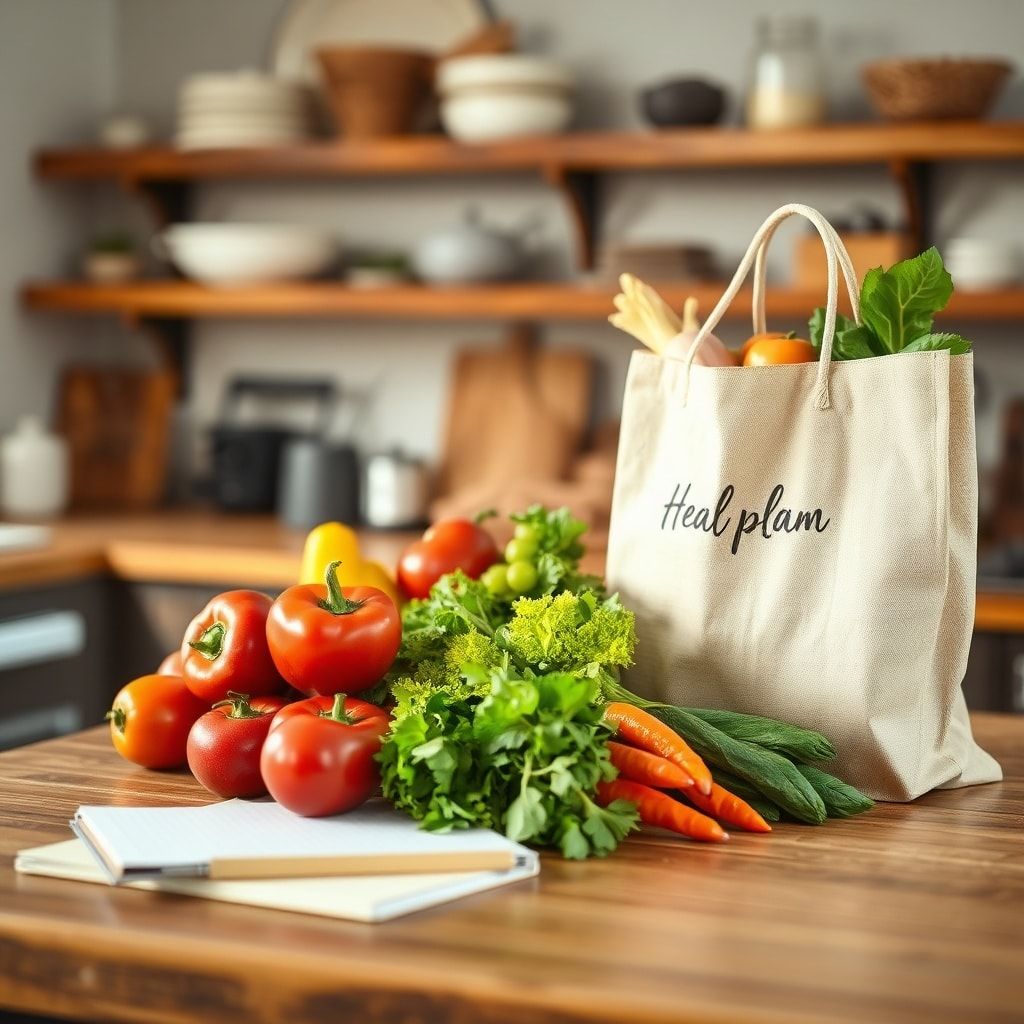
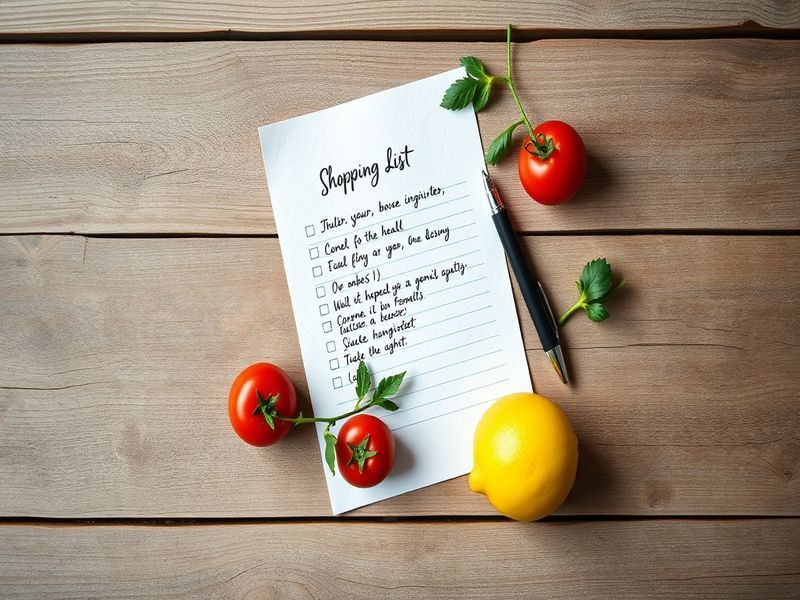
The 2+1 Strategy is built on the principle of structured planning. By planning our meals and creating a shopping list before we enter the store, we can resist the retail psychology tactics that supermarkets use to manipulate our behavior.
A 2025 study found that structured planners wasted less food than other shopper segments, demonstrating the power of planning in reducing waste and saving money.
**
Source: Phys.org
The 2+1 Protein Template: Creating Personal Choice Architecture
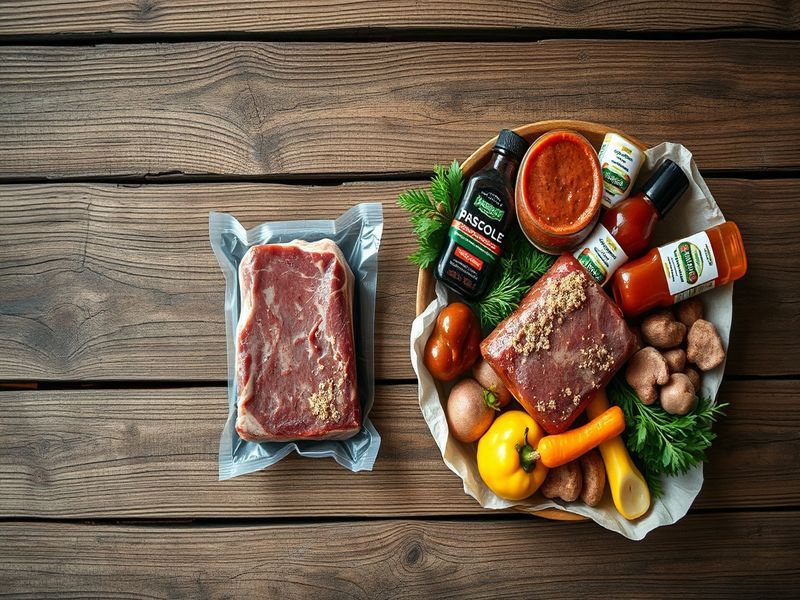
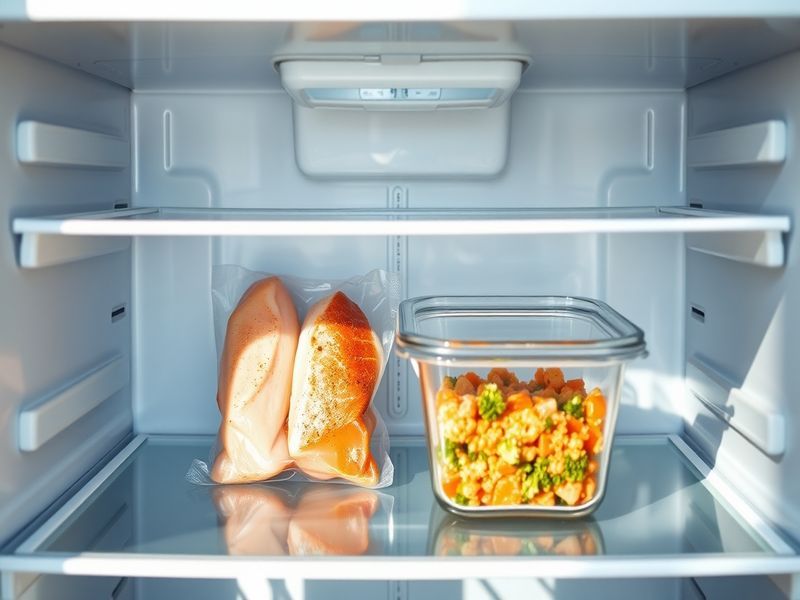
The 2+1 Strategy uses a protein template to create personal choice architecture that overrides retail manipulation. By pre-selecting two fresh proteins and one freezer-breaker meal, we can create our own cognitive-friendly bundles that bypass retail manipulation.
A 2025 playbook from Stanford University provides institutional evidence of how strategic placement, defaults, and presentation influence food choices in dining environments. By applying these principles to our personal meal planning, we can create a choice architecture that promotes sustainability and reduces waste.
**
Source: Stanford University
Key Takeaway: The 2+1 Strategy Restores Shopper Agency
"The 2+1 Strategy restores shopper agency by creating personal choice architecture that overrides retail manipulation. By planning our meals and creating a shopping list before we enter the store, we can resist the retail psychology tactics that supermarkets use to exploit our cognitive biases. This structured approach to meal planning reduces waste, saves money, and promotes sustainability, all while making our shopping trips more efficient and enjoyable."
Pro Tip: Make the Most of the 2+1 Strategy
To make the most of the 2+1 Strategy, try these tips:
-
Batch cook your freezer-breaker meal to save time and reduce decision fatigue during the week.
-
Use a meal planning app to help you create and organize your meal plan and shopping list.
-
Shop with a friend or family member to help you stay accountable and make smarter decisions.
-
Stick to the perimeter of the store to avoid the high-margin, high-waste products in the center aisles.