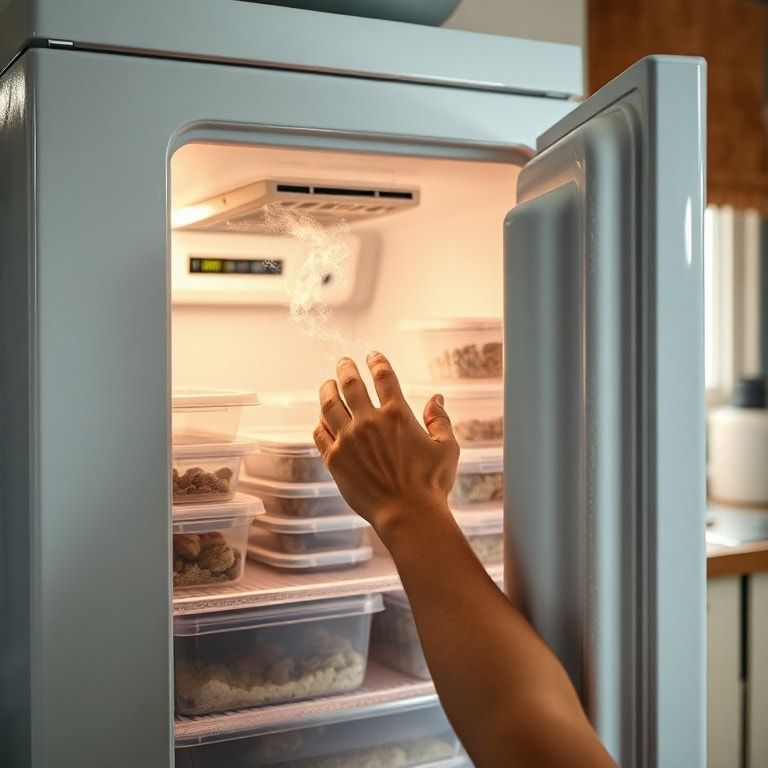
The Hidden Enemy In Your Freezer How Temperature Fluctuations Sabotage Food Quality
Discover how freezer temperature fluctuations degrade food quality & nutrition. Learn simple tips to protect your meal prep investment and extend freshness.
The Hidden Enemy in Your Freezer: How Temperature Fluctuations Sabotage Food Quality
**
Introduction
In the quest for efficient home cooking, we often overlook the silent enemy lurking in our freezers: temperature fluctuations. While we understand that freezing preserves food, few of us grasp the subtle yet relentless degradation that occurs when freezer temperatures rise and fall. This article delves into the thermodynamic sabotage principle, exploring how temperature fluctuations accelerate food degradation through physical, chemical, and nutritional pathways.
The Thermodynamic Sabotage Principle: A Closer Look
The Role of Temperature Fluctuations
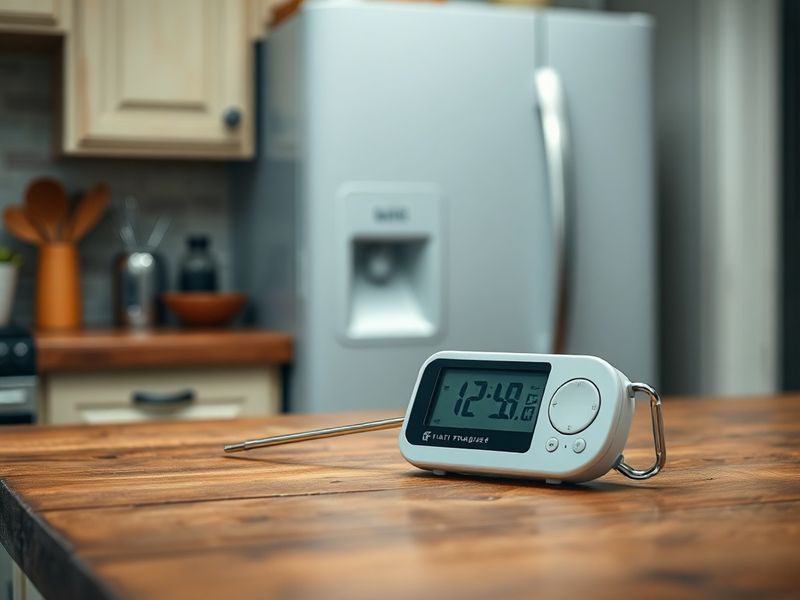
Temperature fluctuations in home freezers create a dynamic environment that undermines food quality. Even small changes of 2-3°C can double spoilage speed, as demonstrated by Michael Wu in his comprehensive 2026 article Why Temperature Fluctuations Ruin Stored Ingredients Faster. These fluctuations push food in and out of the "danger zone" (40°F to 140°F) where bacteria double every 20 minutes, fostering an ideal environment for bacterial growth and mold development.
**
The Physics of Freezer Burn
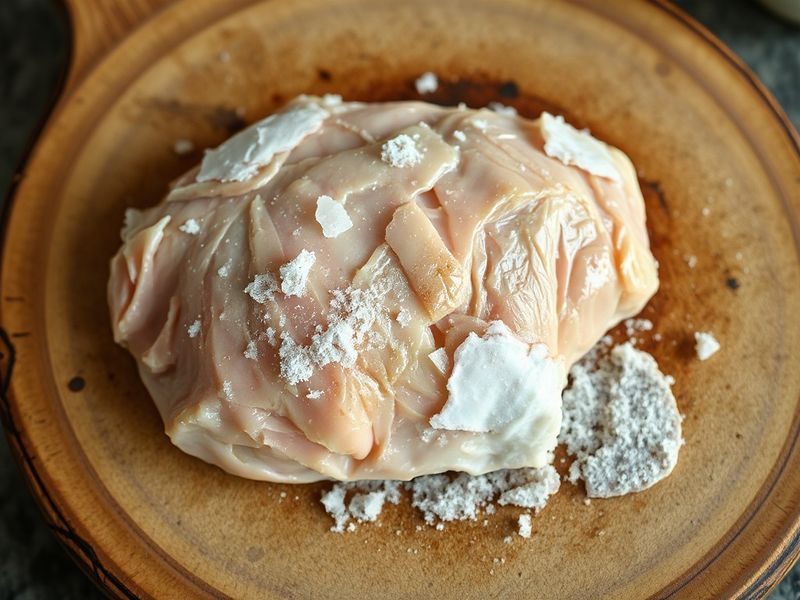
Repeated warming and cooling cycles cause moisture migration, leading to freezer burn through sublimation. This process, where ice transitions directly into vapor, damages cell structures and leaves behind dehydrated, tough, and flavorless food. To understand this mechanism better, consider the 2025 research article Nutrient Loss During Food Preservation by the Journal of Nutrition and Food Processing, which explains how temperature fluctuations accelerate oxidative degradation affecting both lipids and vitamins.
Nutritional Degradation
Temperature instability also degrades nutrients, making food less nutritious over time. Oxidative reactions break down fatty acids, causing rancidity, and destroy vitamin C and E. Light exposure degrades photolabile vitamins A, D, and B vitamins, while oxygen exposure catalyzes vitamin oxidation, rendering them biologically inactive. This nutritional degradation is well-documented in the scientific literature, with specific mechanisms outlined in the 2025 review article Nutrient Loss During Food Preservation.
**> Pro Tip: **To minimize nutrient loss, store food in airtight containers and keep your freezer temperature consistently below -18°C (0°F).
The Impact of Temperature Fluctuations on Food Quality
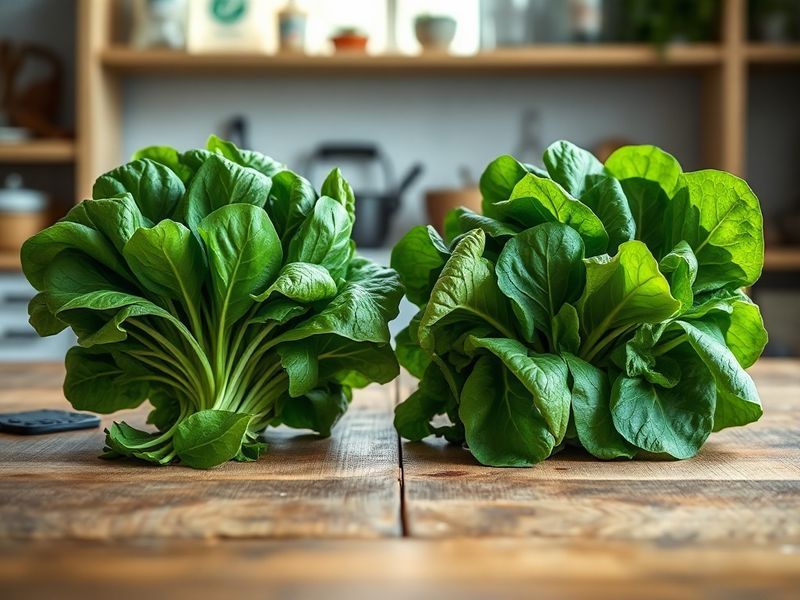
Temperature fluctuations degrade food quality through various pathways, affecting both sensory attributes and nutritional content. A 2025 study titled Temperature Abuse Timing Affects the Rate of Quality Deterioration of Commercially Packaged Ready-to-Eat Baby Spinach demonstrated that temperature abuse affects sensory attributes and quality metrics, providing quantitative evidence that temperature instability degrades eating quality even when microbial safety isn't compromised.
**
The Prevalence of Temperature Fluctuations in Home Freezers
Temperature instability is a common problem in home food storage environments. A 2025 MDPI article titled Domestic Food Safety Risks: A Two-Year Assessment found that 44-50% of domestic refrigerators exceeded recommended temperature ranges over a two-year monitoring period. While this study focused on refrigerators, it highlights the prevalence of improper temperature maintenance in domestic settings, suggesting that freezer temperature fluctuations are also likely widespread.
Implementing the 2+1 Strategy with Freezer Stability in Mind
Understanding the thermodynamic sabotage principle is crucial for implementing the 2+1 strategy effectively. To mitigate the impact of temperature fluctuations, consider the following tips:
-
Maintain Freezer Temperature: Keep your freezer temperature consistently below -18°C (0°F) and minimize door openings.
-
Check Door Seals: Ensure that your freezer door seals are in good condition to prevent cold air from escaping.
-
Proper Storage: Store food in airtight containers to minimize air exposure and prevent freezer burn.
-
Rotate Stock: Follow the "first in, first out" principle to ensure that older items are used first.
**> Key Takeaway: **Temperature fluctuations in home freezers accelerate food degradation through physical, chemical, and nutritional pathways. To preserve food quality and maximize the benefits of the 2+1 strategy, maintain consistent freezer temperatures and practice proper storage habits.