
The Psychology Of Pantry Scarcity How Anxiety Driven Overstocking Creates More Food Waste Than It Prevents
Explore how fear-driven overstocking backfires & creates food waste. Discover MealSolved's 2+1 Strategy for calm, structured meal planning that breaks the cycle.
The Psychology of Pantry Scarcity: How Anxiety-Driven Overstocking Creates More Food Waste Than It Prevents
**
The Paradox of Pantry Anxiety
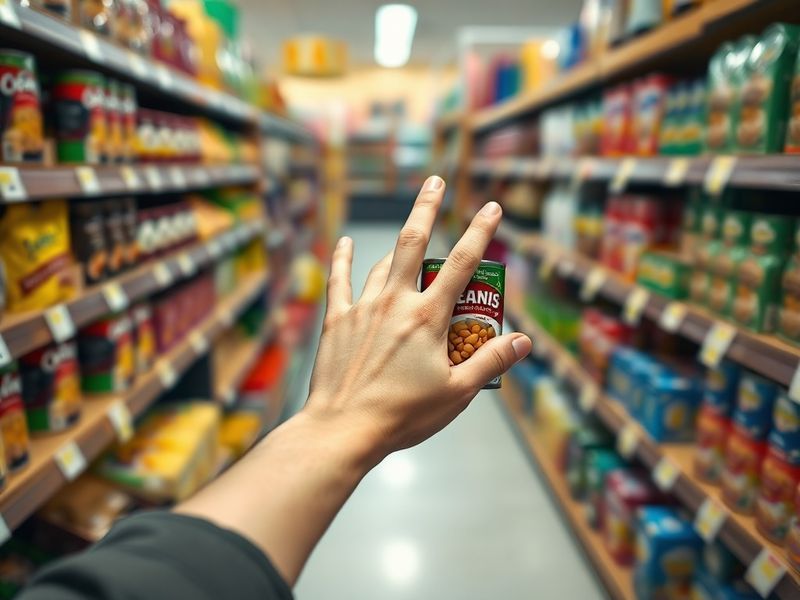
Ever find yourself standing in the grocery store, anxiety creeping in as you reach for that extra can of beans, just in case? You're not alone. Many of us have experienced the gnawing fear of "running out" and falling victim to the scarcity mindset. But here's the twist: this very anxiety often leads to overstocking, which in turn creates more food waste than it prevents. Let's dive into the psychology behind this counterintuitive behavior and explore how structured meal planning can break the cycle.
The Scarcity Mindset: A Psychological Driver of Food Waste
The "fear of scarcity" mindset is a powerful psychological force that drives our behavior. As explained by the Sustainability Directory, this mindset is rooted in anxiety about future lack, leading us to over-buy and hoard food [1]. But why does this happen, and how does it contribute to waste?
**
The Behavioral Economics of Scarcity
A study published in ResearchGate delves into this paradoxical relationship between perceived scarcity and food waste [4]. Titled "Perceiving Less but Wasting More," the study explores how the very act of perceiving resources as scarce can ironically increase waste. This is because scarcity mindset triggers impulsive, anxiety-driven decisions that override our better judgment.
Consumer Segmentation: Who's Wasting and Why
To understand how waste is driven by behavior rather than demographics, let's examine a study from CUNY Graduate School of Public Health. The research identifies three distinct consumer groups: "Structured Planners" (40%), "Flexible Planners" (47%), and "Younger Wasters" (13%) [2]. Notably, the "Younger Wasters" group, despite having lower incomes, wastes food nearly seven times per week compared to about 4.5 times for other groups. This suggests that waste is a behavioral issue, not merely a matter of financial resources.

**
The Role of Professional Inventory Management in Home Kitchens
Professional kitchens have long understood the importance of inventory management in reducing waste. The "First In, First Out" (FIFO) method, for instance, can reduce food waste by 40% and save $400 annually [3]. But how can we apply these principles in our home kitchens?
Breaking the Cycle: Structured Meal Planning with MealSolved's 2+1 Strategy
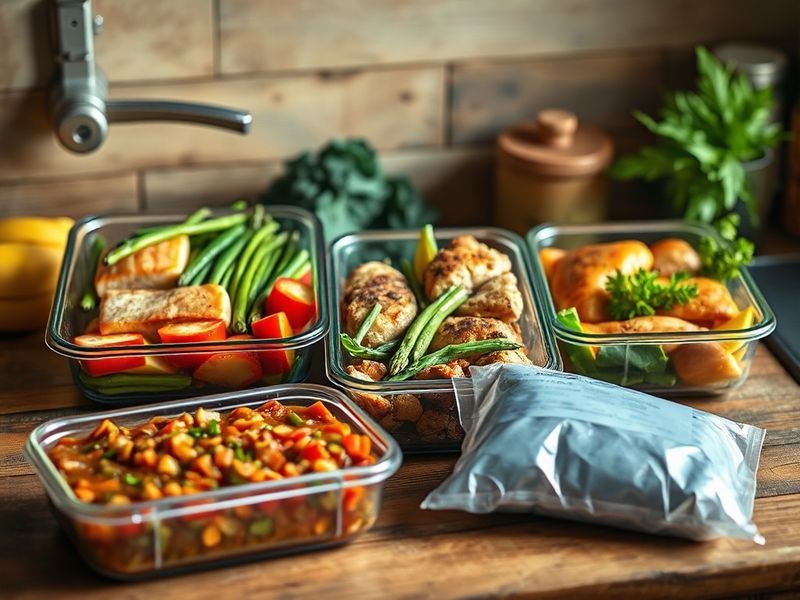
MealSolved's 2+1 Strategy offers a practical solution to the pantry anxiety-waste paradox. By planning around two fresh core proteins plus one freezer-breaker, this approach provides psychological security through planned inventory while limiting perishable exposure. Here's how it works:
-
Planned Inventory for Anxiety Management: The 2+1 Strategy ensures you always have a backup plan in the freezer, addressing the anxiety of "running out." This predictable inventory helps calm the scarcity mindset, reducing the urge to overstock.
-
Limited Perishable Exposure: By planning for only two fresh meals per week, the 2+1 Strategy minimizes the risk of perishable items spoiling before they can be used. This targeted approach to fresh ingredients reduces waste without compromising meal variety.
**
Key Takeaway: Structured Meal Planning as a Waste Reduction Strategy
"Structured meal planning, like MealSolved's 2+1 Strategy, is not just about convenience; it's a powerful tool for addressing the psychological drivers of food waste. By providing planned inventory and limiting perishable exposure, this approach breaks the cycle of anxiety-driven overstocking and reduces waste at its source."
Pro Tip: Combine Meal Planning with FIFO for Maximum Efficiency
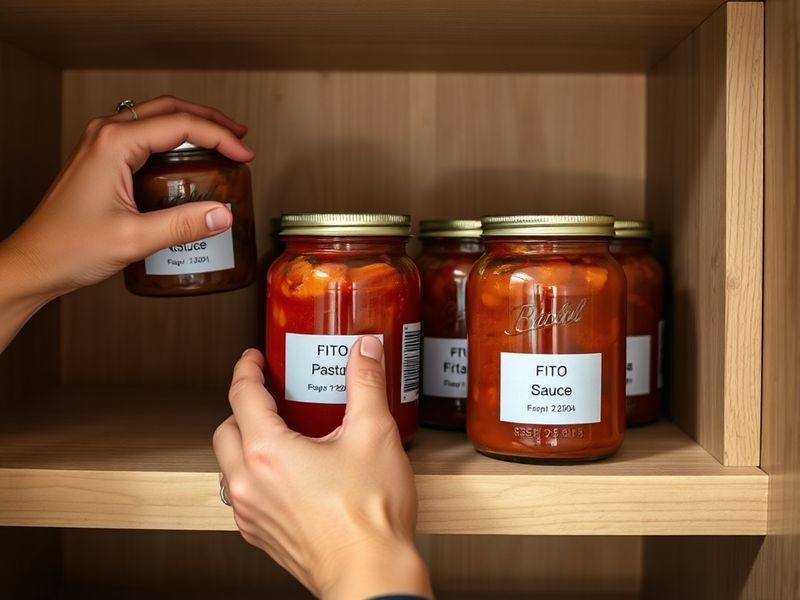
To further enhance your waste reduction efforts, combine MealSolved's 2+1 Strategy with the FIFO method. Label your pantry items with use-by dates, and always use the oldest items first. This ensures that nothing gets lost in the back of the cabinet and helps you make the most of your groceries.
**
Sources
[1] Lifestyle, Sustainability Directory. (2025). What is the fear of scarcity mindset and how does it drive food waste? Retrieved from https://lifestyle.sustainability-directory.com/learn/what-is-the-fear-of-scarcity-mindset-and-how-does-it-drive-food-waste/
[2] Graduate School of Public Health, CUNY. (2025). Household food waste. Retrieved from https://sph.cuny.edu/life-at-sph/news/2025/11/19/household-food-waste/
[3] AnyHelpNow. (2025). FIFO pantry organization. Retrieved from https://anyhelpnow.com/blog/fifo-pantry-organization
[4] Chen, Y., & Zhang, Y. (2025). Perceiving less but wasting more: The relationship between perceived resource scarcity and consumer food waste. ResearchGate. Retrieved from https://www.researchgate.net/publication/383324135_Perceiving_Less_but_Wasting_More_The_Relationship_Between_Perceived_Resource_Scarcity_and_Consumer_Food_Waste