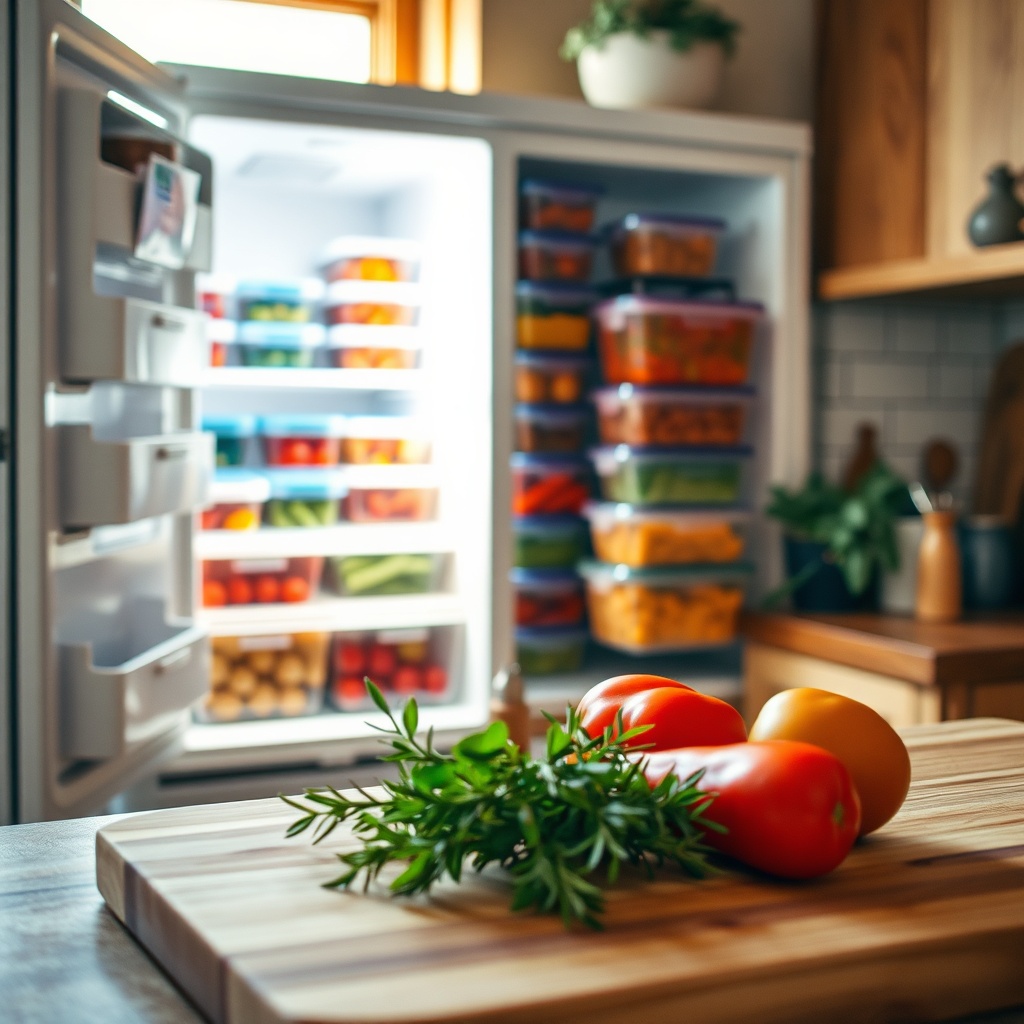
The Frozen Culinary Cognitive Tradeoff Optimizing Your Freezer For Nutritional Roi Sanity And Savings
Discover the 2+1 Strategy to optimize your freezer, reduce meal prep burnout, cut food waste, and preserve nutrition with smart home-cooking science.
The Frozen Culinary Cognitive Tradeoff: Optimizing Your Freezer for Nutritional ROI, Sanity, and Savings
In the quest for healthy, varied meals, home cooks face a paradox: traditional batch cooking can lead to decision fatigue and food waste, while flash-freezing promises nutritional preservation and cognitive relief. This article explores the hidden tradeoffs between these two approaches, integrating food science, psychology, and household economics to present a strategic solution: the 2+1 Strategy's freezer-breaker component.
The Biochemical Case for Rapid Freezing
When it comes to preserving food, not all freezing methods are created equal. The science behind cryogenic freezing, a method used commercially, holds valuable insights for home cooks.
A 2025 comparative study on cryogenic freezing versus conventional freezing reveals that rapid freezing forms "much smaller ice crystals due to its rapid freezing rate," which "minimizes cellular damage" and "preserves the meat's structural integrity" [1]. Specifically, cryogenic freezing "retains higher levels of vitamins, amino acids, and overall protein integrity compared to conventional freezing" and "significantly reduces drip loss," preserving essential proteins and minerals [1].
Pro Tip: Apply commercial flash-freezing principles at home by freezing food quickly and evenly, using methods like freezing on a baking sheet or in a single layer, to minimize ice crystal formation and maximize nutritional retention.
The Psychological Toll of Meal Prep Burnout
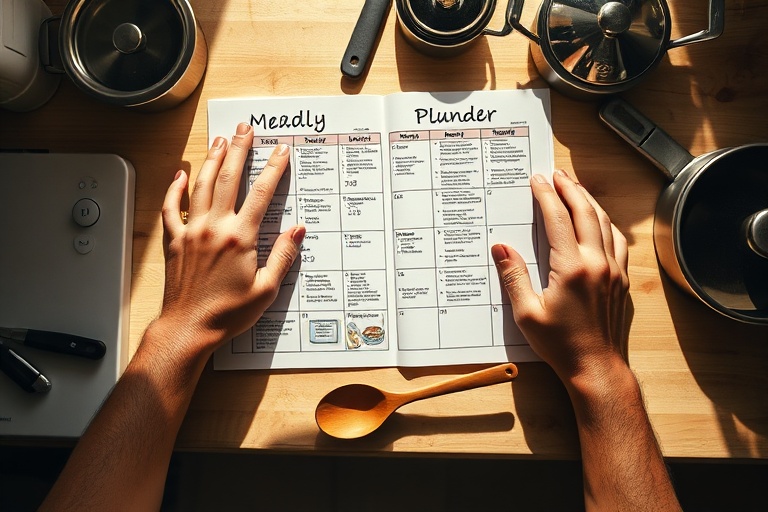
While batch cooking promises efficiency, it often leads to decision fatigue and meal prep burnout. A 2026 article directly addresses this issue, defining it as "the exhaustion from constant planning and preparation of healthy meals" [2]. This cognitive overload affects mental health, energy, and consistency, with 52% of adults avoiding meal prepping due to recipe boredom and time constraints [2].
Pro Tip: Combat meal prep burnout by strategically incorporating variety without increasing decision fatigue. The 2+1 Strategy allows for pre-planned variety, reducing the mental load of constant planning.
The Economic Impact of Household Food Waste
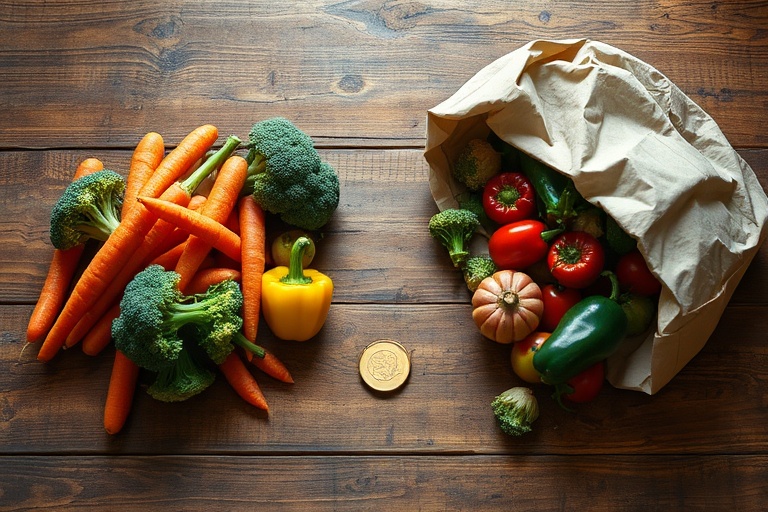
Inefficient food management systems take a significant toll on household finances. A May 2025 EPA data update estimates the annual per capita cost of consumer food waste in the U.S. at $728, or $2,913 for a household of four [3]. This substantial expense underscores the need for optimized freezer use and strategic meal planning.
Pro Tip: Minimize food waste and maximize your food budget by strategically rotating frozen meals and optimizing freezer space. The 2+1 Strategy's freezer-breaker component directly addresses this financial challenge.
Cognitive Load and Meal Planning Decisions
The psychological barriers to effective meal planning can be traced back to cognitive load theory. A academic thesis on "What's for Dinner? Cognitive Load and Planned Meals" explains that humans have a limited working memory that can be affected by multiple different stressors [4]. The more information one has in their working memory, the higher their cognitive load, making it difficult to process and decide on meal options.
Pro Tip: Reduce cognitive load by limiting protein choices while maintaining variety. The 2+1 Strategy balances constraint and flexibility, respecting working memory limits while preventing decision fatigue.
The 2+1 Strategy: A Comprehensive Solution
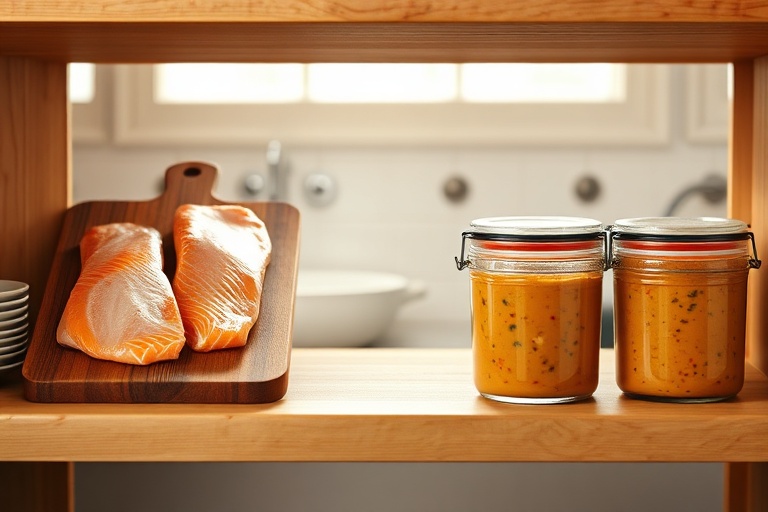
The 2+1 Strategy offers a holistic approach to optimizing your kitchen ecosystem, addressing the biochemical, psychological, and economic challenges of home cooking. By planning around two fresh core proteins and one freezer-breaker meal, you can:
-
Preserve Nutritional Value: Strategic freezing and rotation, informed by commercial flash-freezing principles, preserves nutritional integrity.
-
Reduce Decision Fatigue: Pre-planned variety reduces the mental load of constant meal planning.
-
Minimize Waste and Maximize Savings: Efficient freezer use and strategic rotation minimize waste and optimize your food budget.
Pro Tip: Embrace the 2+1 Strategy for a smarter, more sustainable, and less stressful home cooking experience.
Sources
[1] Cryogenic Freezing vs. Conventional Freezing: A Comparative Study on Texture and Nutrient Retention in Meat Products - Allied Academies (2025) [2] Meal Prep Burnout: 2026 Whole-Food Prepared Meals Made Easy - Pure Plates STL (2026) [3] EPA Updates Data on Cost of Household Food Waste - BioCycle (May 2025) [4] What's for Dinner? Cognitive Load and Planned Meals - OhioLINK ETD (2024)