
The Graph Theory Of Grocery Efficiency How Applied Algorithms Solve The Household Traveling Salesman Problem
Turn grocery chaos into kitchen calm. We apply industrial algorithms like the Traveling Salesman Problem to optimize your shopping, pantry, and prep. Save time, money, and mental energy.
The Graph Theory of Grocery Efficiency: How Applied Algorithms Solve the Household Traveling Salesman Problem
Every week, millions of people embark on a complex journey through supermarkets, navigating multiple departments, and searching for items on their shopping lists. This weekly expedition, however, is far from optimized. While industrial food supply chains have long utilized sophisticated routing algorithms to minimize waste and maximize efficiency, the average household grocery shopping trip remains an unsolved optimization problem. This is where the "Household Traveling Salesman Problem" comes into play, examining how classic algorithms like Dijkstra's, A*, and Bellman-Ford can revolutionize home kitchen management, creating mathematically optimized shopping routes, strategic pantry organization, and efficient meal preparation sequences that reduce decision fatigue while maximizing both time and budget efficiency.
The Cognitive Burden of Grocery Shopping
According to the 2026 Shopper Pulse Survey, modern shoppers aren't looking for inspiration but rather efficiency tools, with 53% wanting help finding the best value and 45% seeking time-saving solutions during shopping. Nearly 20% of shoppers describe the process as 'complicated' or 'overwhelming' [1]. This empirical evidence underscores the need for structured, optimized meal planning systems that reduce decision fatigue through mathematical efficiency.
The Traveling Salesman Problem and Household Grocery Shopping
The classic Traveling Salesman Problem (TSP) seeks "the shortest possible route that visits each city exactly once and returns to the origin" [2]. This mathematical problem has direct applications to household grocery shopping, where shoppers must navigate multiple departments while minimizing backtracking and travel time. By applying TSP principles to grocery shopping, we can optimize our routes, reduce time spent in stores, and minimize cognitive load.
Industrial Algorithms for Grocery Efficiency
Recent research in computational grocery optimization demonstrates that machine learning algorithms can significantly improve shopping efficiency. Studies show that properly implemented sorting algorithms can reduce navigation time and cognitive load [3]. For instance, a Machine Learning-Assisted Dynamic Proximity-Driven Sorting Algorithm has been developed to optimize supermarket navigation, proving that algorithmic interventions can enhance grocery shopping performance [3].
Applying Industrial Logistics to Home Kitchens
The Vehicle Routing Problem with Time Windows (VRPTW) extends classical routing problems to incorporate freshness decay, quality thresholds, vehicle capacity, and reverse logistics coupling as hard constraints [4]. These constraints mirror those faced by home cooks when planning trips around ingredient freshness and meal timing. By applying VRPTW principles to household grocery shopping, we can optimize our shopping routes to ensure we get the freshest ingredients while minimizing travel time.
MealSolved: A Practical Application of Graph Theory to Home Kitchens
MealSolved's 2+1 strategy represents a human-scale application of these industrial algorithms, translating complex supermarket optimization research into practical weekly meal planning. By planning around two fresh core proteins plus one freezer-breaker, MealSolved helps users create optimized shopping lists, reducing backtracking and minimizing time spent in stores. This structured approach to meal planning not only saves time but also reduces decision fatigue, making grocery shopping a more manageable task.
Pro Tip: To further optimize your grocery shopping experience, consider using a grocery list app that allows you to organize items by department. This can help you create a more efficient shopping route, reducing time spent in stores and minimizing backtracking.

A visual representation of an optimized grocery shopping route
Optimizing Pantry Organization for Efficiency
Just as optimizing our shopping routes can save time and reduce cognitive load, so too can optimizing our pantry organization. By grouping similar items together and using clear storage solutions, we can create a pantry that is easy to navigate and use. This can help us reduce time spent searching for ingredients and minimize waste from forgotten or expired items.
Pro Tip: Consider using clear storage containers and labels to make your pantry items easily visible and identifiable. This can help you maintain a well-organized pantry that supports efficient meal planning and preparation.
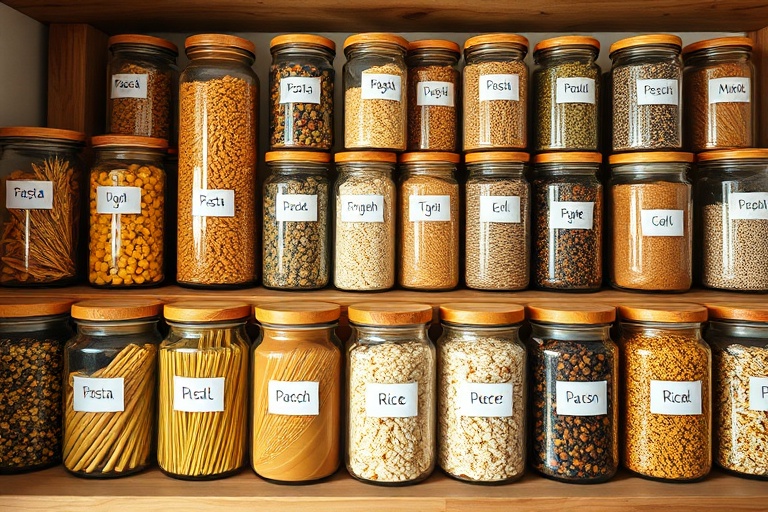
A well-organized pantry with clear storage solutions
Efficient Meal Preparation Sequencing
The principles of graph theory can also be applied to meal preparation sequencing. By planning our meals in a way that minimizes dishware and utensil washing, we can reduce time spent on cleanup and maximize efficiency. For example, planning meals that require similar cooking methods or ingredients can help us streamline our preparation process and reduce waste.
Pro Tip: Consider using a meal planning app that allows you to input your ingredients and generate optimized meal sequences. This can help you create a more efficient meal preparation plan that reduces dishware and utensil washing.
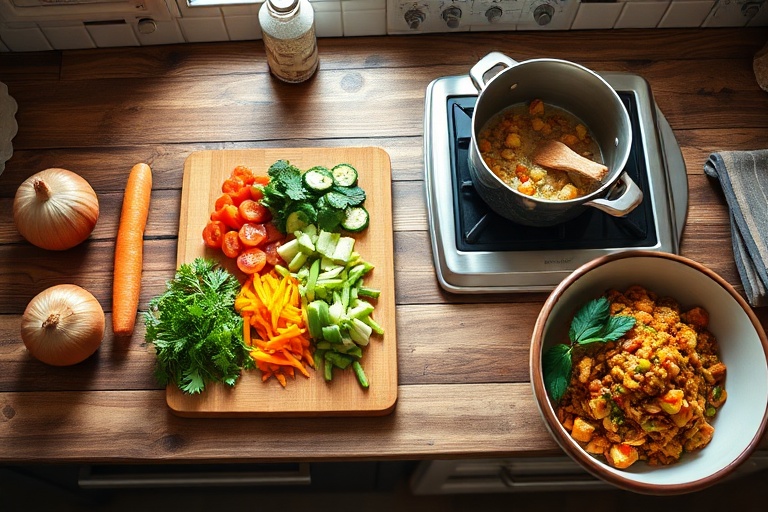
A visual representation of an optimized meal preparation sequence
The Future of Home Kitchen Management
As our understanding of graph theory and its applications to home kitchen management continues to grow, we can expect to see more sophisticated tools and technologies emerge to support optimized meal planning, grocery shopping, and meal preparation. From AI-powered grocery list apps to smart pantry systems that track inventory and expiration dates, the future of home kitchen management is poised to be more efficient, less wasteful, and more enjoyable than ever before.
Conclusion
The "Household Traveling Salesman Problem" represents a high-value opportunity to apply industrial algorithms to home kitchen management, creating mathematically optimized shopping routes, strategic pantry organization, and efficient meal preparation sequences that reduce decision fatigue while maximizing both time and budget efficiency. By embracing the principles of graph theory and utilizing practical tools and technologies, we can transform our home kitchens into optimized ecosystems that support smarter, more enjoyable cooking experiences.
Sources
[1] Progressive Grocer. (2026). Utility Mandate: Why 2026 Shoppers Are Swapping Inspiration for Efficiency. Retrieved from https://progressivegrocer.com/utility-mandate-why-2026-shoppers-are-swapping-inspiration-efficiency
[2] Locus.sh. (n.d.). The Traveling Salesman Problem. Retrieved from https://locus.sh/blogs/travelling-salesman-problem/
[3] MDPI. (2024). A Machine Learning-Assisted Dynamic Proximity-Driven Sorting Algorithm for Supermarket Navigation Optimization. Retrieved from https://www.mdpi.com/1999-5903/16/8/277
[4] NextBillion.ai. (2025). Vehicle Routing Problem with Time Windows for Perishable Food Delivery. Retrieved from https://nextbillion.ai/feeds/blog/vehicle-routing-problem-time-windows-perishable-food-delivery