The Protein Rotation Imperative Maximizing Nutritional Absorption And Budget Efficiency In Your Kitchen
Discover why rotating protein sources is essential for optimal nutrient absorption, preventing micronutrient gaps, and maximizing food budget efficiency in your kitchen.
The Protein Rotation Imperative: Maximizing Nutritional Absorption and Budget Efficiency in Your Kitchen
Welcome to The Kitchen Log, where we bridge the gap between culinary creativity and strategic resource management. Today, we delve into a critical yet often overlooked aspect of meal planning: the protein rotation imperative. While MealSolved's 2+1 strategy inherently provides variety, let's explore the science behind why rotating protein sources is essential for optimal nutrient absorption, preventing micronutrient gaps, and maximizing food budget efficiency.
The Hidden Costs of Protein Monotony
Before we dive into the benefits of strategic protein rotation, let's first understand the financial stakes of inefficient meal planning and food waste. According to a recent 2025 report by Civil Eats, American consumers now lose about $728 annually per person to food waste—nearly double previous estimates. For a family of four, that's approximately $3,000 down the drain each year. This staggering figure underscores the urgent need for strategic meal planning, like the 2+1 system, to reduce waste and save money.
The Science Behind Protein Rotation
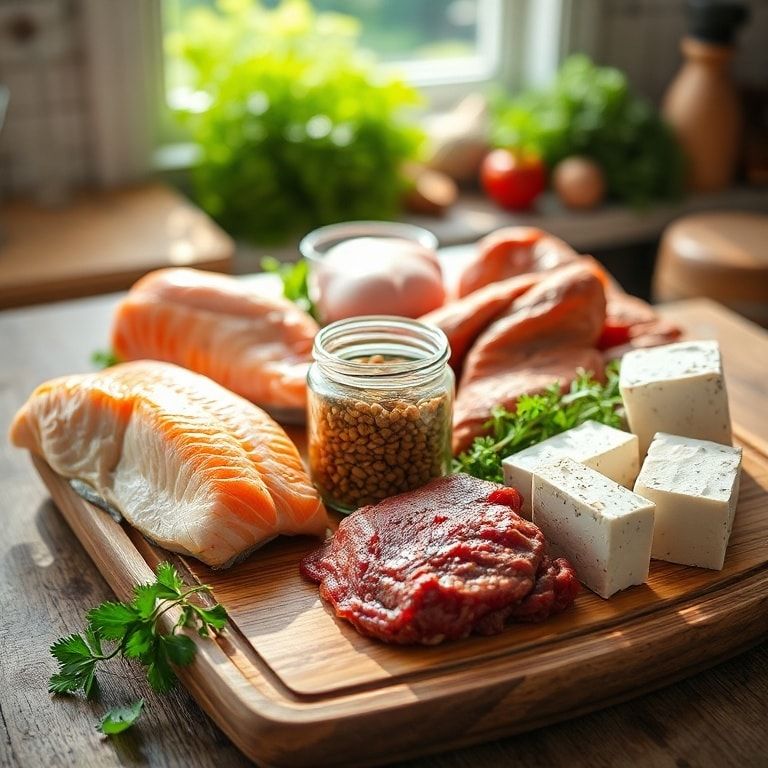
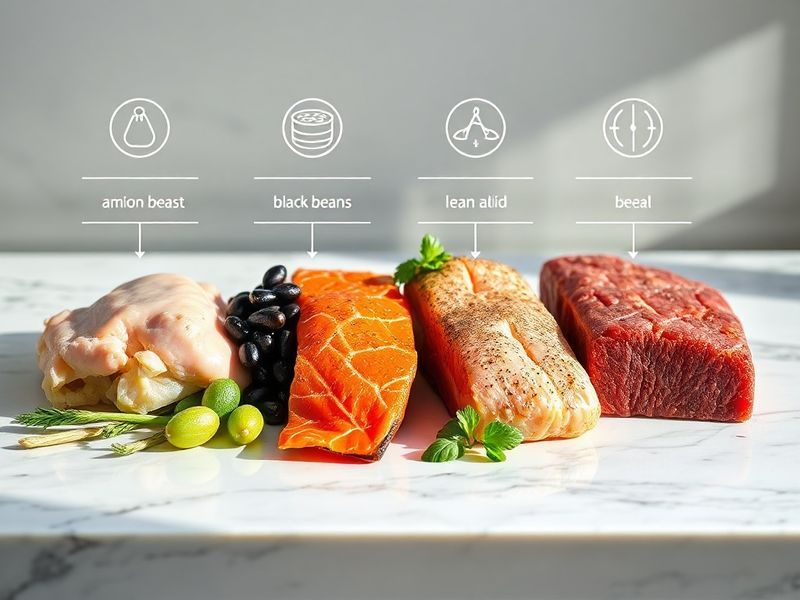
Now, let's explore the nutritional science behind protein rotation. A 2025 review from Frontiers in Nutrition highlights how diverse protein sources influence insulin sensitivity and nutrient absorption pathways differently. Different protein sources provide varying amino acid profiles and micronutrient co-factors that affect metabolic responses. This means that rotating between poultry, fish, legumes, and red meats isn't just about taste variety—it's about providing the body with a broader spectrum of amino acids and supporting nutrients that optimize metabolic health.
The Role of Freezer-Breaker Proteins
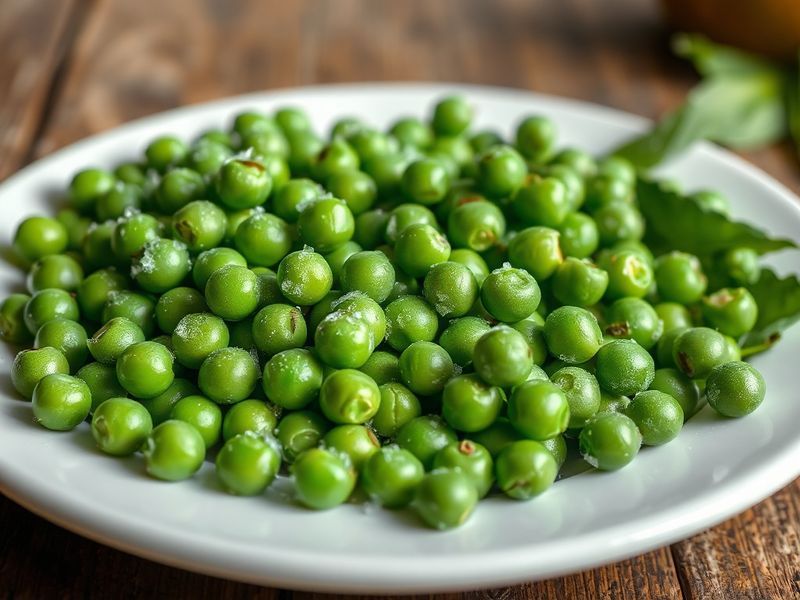
An essential component of the 2+1 strategy is the freezer-breaker protein. Modern flash-freezing technology preserves vitamins C and A better than traditional freezing methods and often outperforms "fresh" produce that loses nutrients during transport. As explained in a Brecon Foods industry source, flash-freezing locks in nutrients at peak ripeness, often resulting in higher vitamin retention compared to fresh produce that degrades during supply chain transit. This validates the nutritional legitimacy of incorporating frozen proteins into weekly rotation, countering the misconception that frozen equals inferior.
Applying Industrial Efficiency to Home Kitchens
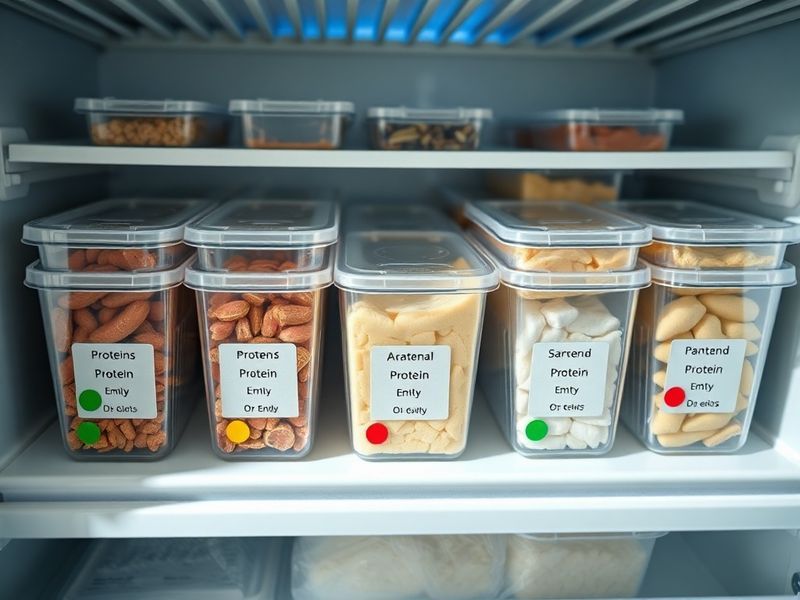
The 2+1 strategy isn't just about taste and nutrition; it's also about applying proven efficiency methodologies to home nutrition management. As explained in a previous MealSolved blog post, applying Just-in-Time inventory principles to protein rotation ensures optimal freshness while minimizing waste. The 2+1 strategy creates a visual Kanban system for protein management, framing protein rotation not as arbitrary variety but as a systematic application of proven efficiency methodologies to home nutrition management.
Overcoming Decision Fatigue
Finally, let's address the psychological barrier that structured protein rotation overcomes. A 2025 narrative review from PubMed Central examines the effect of decision fatigue on food choices, demonstrating how cognitive overload in evening meal decisions drives households toward repetitive, convenient protein choices that create nutritional monotony. The 2+1 system's pre-planned protein rotation eliminates this decision point while ensuring nutritional diversity, thus solving both the cognitive burden and the nutritional limitation simultaneously.

Key Takeaway: Strategic Protein Rotation Maximizes Nutritional Absorption and Budget Efficiency
Incorporating strategic protein rotation into your meal planning not only prevents meal monotony but also maximizes nutrient absorption, prevents micronutrient gaps, and optimizes household food budgets. By understanding and applying the protein rotation imperative, you're not just cooking meals—you're managing a nutrition-optimized, waste-minimized kitchen ecosystem.
Pro Tip: Use the MealSolved app to plan your protein rotations effortlessly. The app's intuitive interface helps you visualize your protein inventory, track rotations, and even suggests recipes based on your selected proteins.