The Industrial Revolution In Your Kitchen Optimizing Meal Planning For Efficiency And Nutrition
Science says frozen veggies beat fresh. Beat decision fatigue & shrinkflation. Use the 2+1 strategy for efficient, nutritious meals.
The Industrial Revolution in Your Kitchen: Optimizing Meal Planning for Efficiency and Nutrition
The Freshness Paradox: Freezer Meals Aren't a Compromise, They're a Nutritional Advantage
In the quest for the perfect meal, many home cooks prioritize freshness above all else. However, recent scientific evidence challenges this conventional wisdom. A 2025 article from Impakt, "What if Frozen Veggies are Actually Better for You than Fresh?", provides compelling data on the nutritional superiority of flash-frozen produce.
**
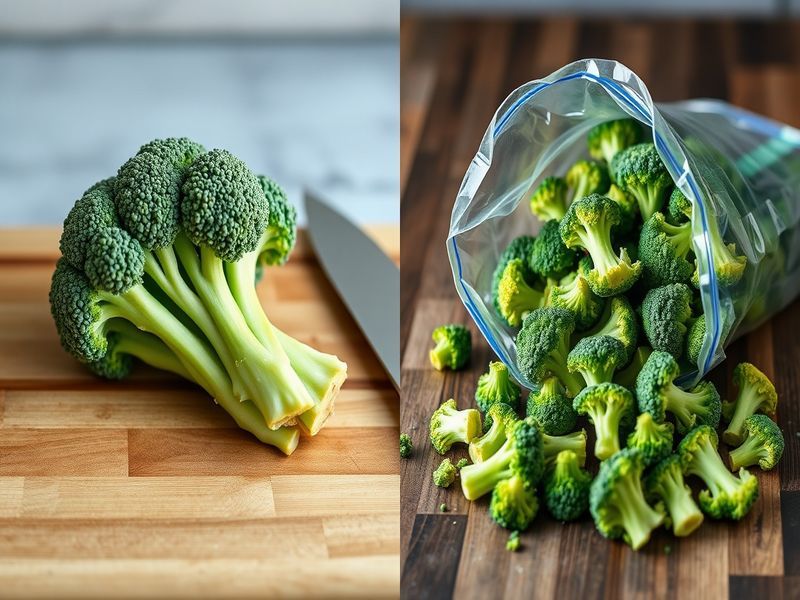
Harvested vegetables are typically frozen at their peak ripeness, locking in nutrients at optimal levels. In contrast, supermarket "fresh" produce is often picked early and loses nutrients during transport and storage. The Impakt article cites a study showing that fresh vegetables lose up to 77% of their vitamin C content within seven days of refrigeration. This "freshness paradox" underscores the nutritional advantage of frozen vegetables, making them an ideal component of an efficient meal planning system.
Decision Fatigue: The Hidden Barrier to Evening Meal Planning
Evening meal planning often fails due to a psychological barrier: decision fatigue. A narrative review from PubMed Central, "The Effect of Decision Fatigue on Food Choices" (2025), explains how cognitive load reduces self-regulation and leads to lower-effort food choices. As the day wears on, our mental energy dwindles, making it harder to make healthy decisions about dinner.

**
This research highlights the need for pre-structured meal systems that eliminate daily "what's for dinner?" decisions. By planning meals in advance, we can mitigate decision fatigue and improve nutritional outcomes, reducing reliance on convenience foods.
The Economic Impact of Food Waste: A Case for Efficient Meal Planning
The economic consequences of household food waste are staggering. According to the EPA's 2025 report, "Estimating the Cost of Food Waste to American Consumers", the annual per capita cost of consumer food waste is $728, or $2,913 for a household of four. This data quantifies the financial motivation for adopting efficient meal planning systems that reduce waste and save money.

**
By applying industrial principles like Just-in-Time inventory and waste reduction to home kitchens, households can directly address this $2,913 annual loss. Efficient meal planning systems not only improve nutritional outcomes but also create a significant personal inflation hedge against rising food costs.
The Batch Cooking Burnout: Designing Resilient Meal Planning Systems
Traditional meal prep approaches often fail due to psychological and practical barriers. A 2025 article from Kukta.ai, "The Batch Cooking Burnout: Why 94% of Meal Preppers Fail by January", provides valuable insights into these challenges. The article discusses the rigidity, time demands, and lack of flexibility that lead to meal prep abandonment.
**
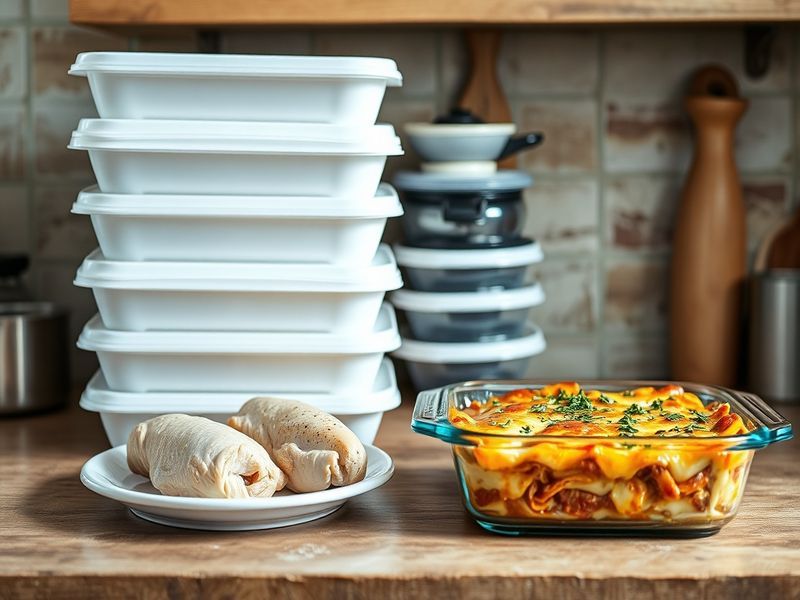
To create more resilient meal planning systems, we must learn from these failures. The 2+1 strategy, which incorporates flexibility through freezer meals, offers a sustainable alternative to rigid batch cooking approaches. By combining fresh core proteins with freezer backups, this system avoids burnout while maintaining efficiency.
Shrinkflation and the Rising Cost of Groceries: The Case for Kitchen Economics
Shrinkflation, the practice of reducing product sizes while maintaining or increasing prices, is putting pressure on modern grocery shoppers. A 2025 blog post from the Government Accountability Office (GAO), "What's Shrinkflation and How Has It Affected Grocery Store Items Recently?", shows per-unit price increases ranging from 12% for paper towels to 32% for coffee.
**
In this era of rising food costs, efficient meal planning systems are more important than ever. By optimizing kitchen inventory and reducing waste, households can create a personal inflation hedge against shrinkflation and other economic pressures.
The 2+1 Strategy: Applying Industrial Efficiency Principles to Home Kitchens
The modern home kitchen faces challenges that industrial systems have solved for decades: efficiency optimization, waste reduction, and consistent quality output. By examining recent scientific evidence on the nutritional superiority of frozen vegetables, combining it with visual workflow systems from manufacturing, and addressing the psychological barriers of evening decision fatigue, we can create a comprehensive meal planning approach that leverages industrial-grade efficiency for home cooking success.
> Pro Tip: To implement the 2+1 strategy, start by identifying two fresh core proteins (like chicken and salmon) and one freezer backup (like a hearty stew or lasagna). Plan your meals around these components, using frozen vegetables and other convenience items to create balanced, nutritious dinners with minimal effort.
Key Takeaway
The convergence of food science, industrial efficiency principles, and behavioral psychology research offers a new paradigm for home cooking: the 2+1 strategy. By embracing frozen vegetables as a nutritional advantage, structuring meals to mitigate decision fatigue, and optimizing kitchen inventory to reduce waste, home cooks can create efficient, cost-effective, and sustainable meal planning systems that improve nutritional outcomes and reduce mental overhead.