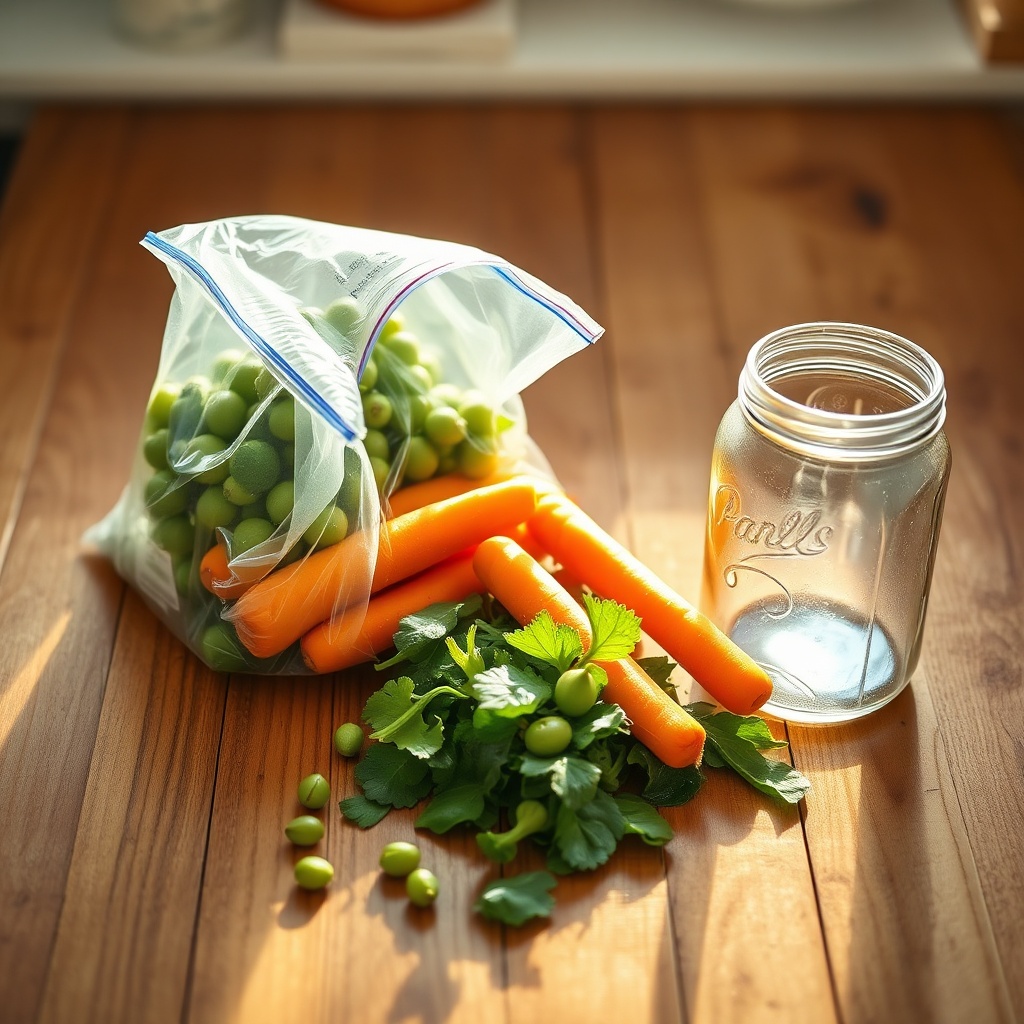
The Post Harvest Deception Why Freezer Breakers Beat Freshness Myths
Fresh produce loses nutrients fast. Learn how frozen 'freezer-breaker' items ensure consistent nutrition, reduce waste, and simplify meal planning.
The Post-Harvest Deception: Why Freezer Breakers Beat Freshness Myths
The Hidden Journey of "Fresh" Produce
Before we dive into the strategic benefits of incorporating freezer items into your meal plan, let's first explore the often-overlooked journey of "fresh" produce from farm to table. Did you know that up to 40% of a fruit or vegetable's nutrients can degrade during this process? This isn't due to some unavoidable act of nature; it's a systemic issue rooted in our global fresh produce supply chain.
A comprehensive 2025 review in the journal "Foods" revealed that global post-harvest losses for fruits and vegetables reach 20-40%. [1] These losses are primarily due to inadequate handling, transportation, and storage. While sustainable postharvest innovations focus on improving quality, global losses ranging between 20% and 40% represent a significant failure in the fresh produce supply chain. This means that by the time your "fresh" produce reaches your plate, it may have already lost a substantial portion of its nutritional value.
The Freezer: An Unappreciated Nutritional Hero
Given these post-harvest challenges, it's worth reconsidering our bias towards "fresh" produce. Could frozen fruits and vegetables be a more reliable source of nutrients? A study by the University of California, Davis, found that frozen produce often retains comparable or superior nutrient levels compared to fresh counterparts. [2] Researchers found that frozen produce maintains vitamin E content and that nutrient values are "generally equal to – and in some cases better than – their fresh counterparts." This challenges the common assumption that "fresh is always better" and highlights the strategic value of incorporating frozen items into your meal plan.
The Freezer's Role in Combating Food Waste
The environmental and economic impacts of post-harvest degradation are substantial. According to ReFED's 2026 food waste data, 30-40% of the U.S. food supply is wasted, costing $408 billion annually. [3] A significant portion of this waste occurs at the household level, often due to spoilage. By incorporating freezer items into your meal plan, you're not only ensuring consistent nutritional value but also reducing waste and saving money.
Navigating Shrinkflation and Decision Fatigue
The grocery landscape is further complicated by shrinkflation, a phenomenon where consumers pay more for less product. A report by the Government Accountability Office showed that this trend affects fresh produce categories, reducing consumers' nutritional ROI. [4] Mealsolved's strategy helps mitigate this by providing consistent portioning and nutritional value through reliable frozen options.
Moreover, the complexity of evaluating "freshness" and quality in perishable items contributes to meal planning stress. A narrative review on decision fatigue and food choices explains how cognitive depletion leads to poorer dietary decisions. [5] By simplifying your produce selection process with frozen items, Mealsolved reduces this cognitive load, making it easier to stick to your nutritional goals.
The Science of Storage: Freezing vs. Refrigeration
Even when you buy "fresh" produce, maintaining its nutritional value at home can be challenging. A 2025 study on vitamin C stability under different storage conditions showed how temperature and packaging affect nutrient retention. [6] The study found that low temperatures (4°C) and storage in glass containers are best for preserving vitamin C content. However, most households cannot replicate these optimal storage conditions, making the freezer a more reliable option for long-term nutrient preservation.
Key Takeaway: Incorporating frozen "freezer-breakers" into your Mealsolved meal plan ensures consistent nutritional value, reduces waste, and simplifies your grocery shopping experience. By challenging the "fresh is always better" myth, you can make smarter choices that benefit both your health and your budget.
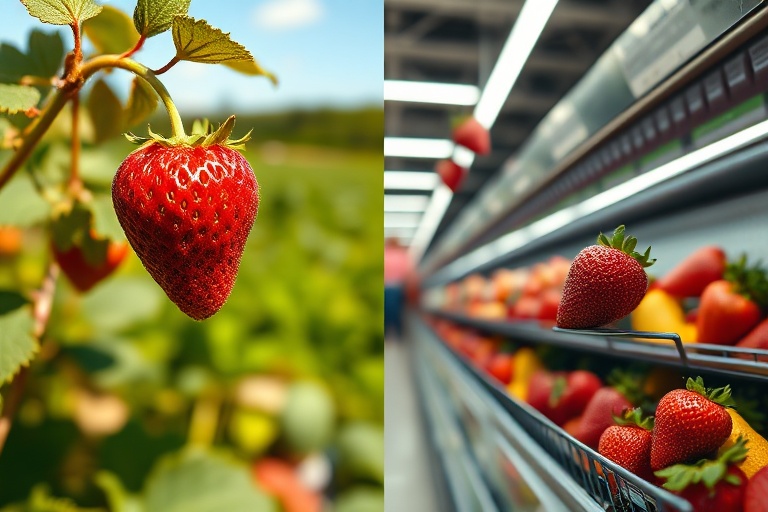
Illustration of post-harvest nutrient loss in fresh produce
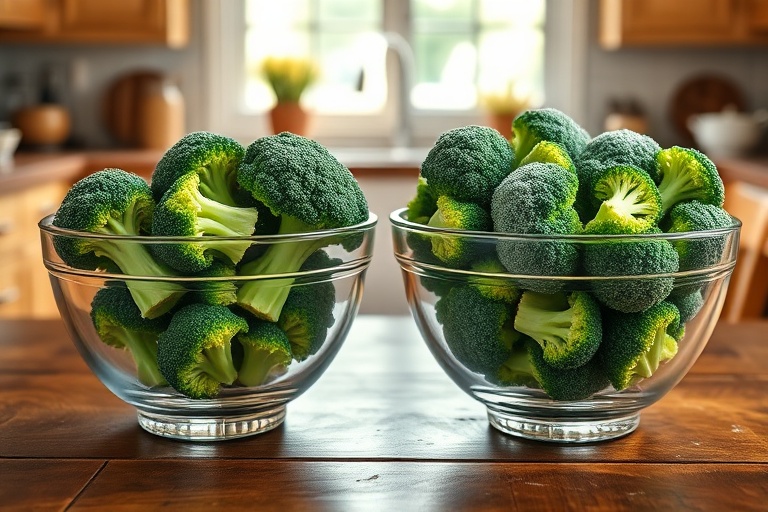
Comparison of nutrient retention in fresh vs. frozen produce
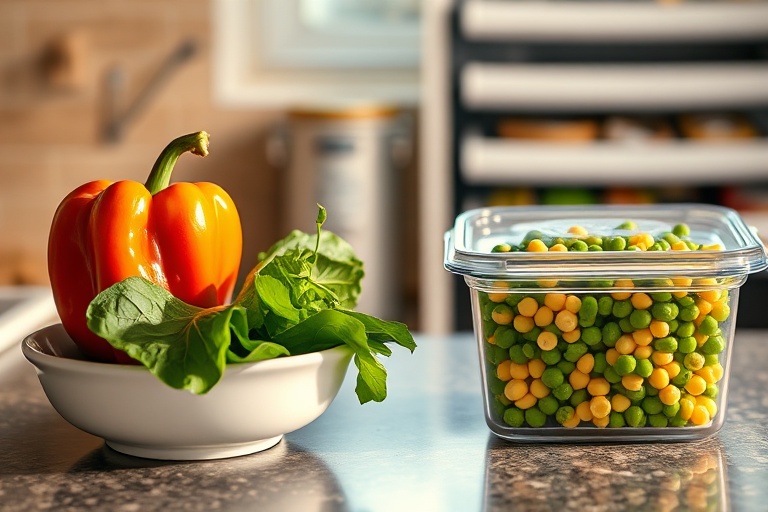
Graph showing food waste reduction with strategic freezer use
Sources
[1] Postharvest losses of fruits and vegetables: A review
[2] UC Davis Study: Frozen Produce Just as Nutritious as Fresh
[3] The Problem
[4] What's Shrinkflation and How Has It Affected Grocery Store Items Recently?
[5] Decision Fatigue and Food Choices: A Narrative Review
[6] Vitamin C Stability in Different Fruit Juices under Various Storage Conditions