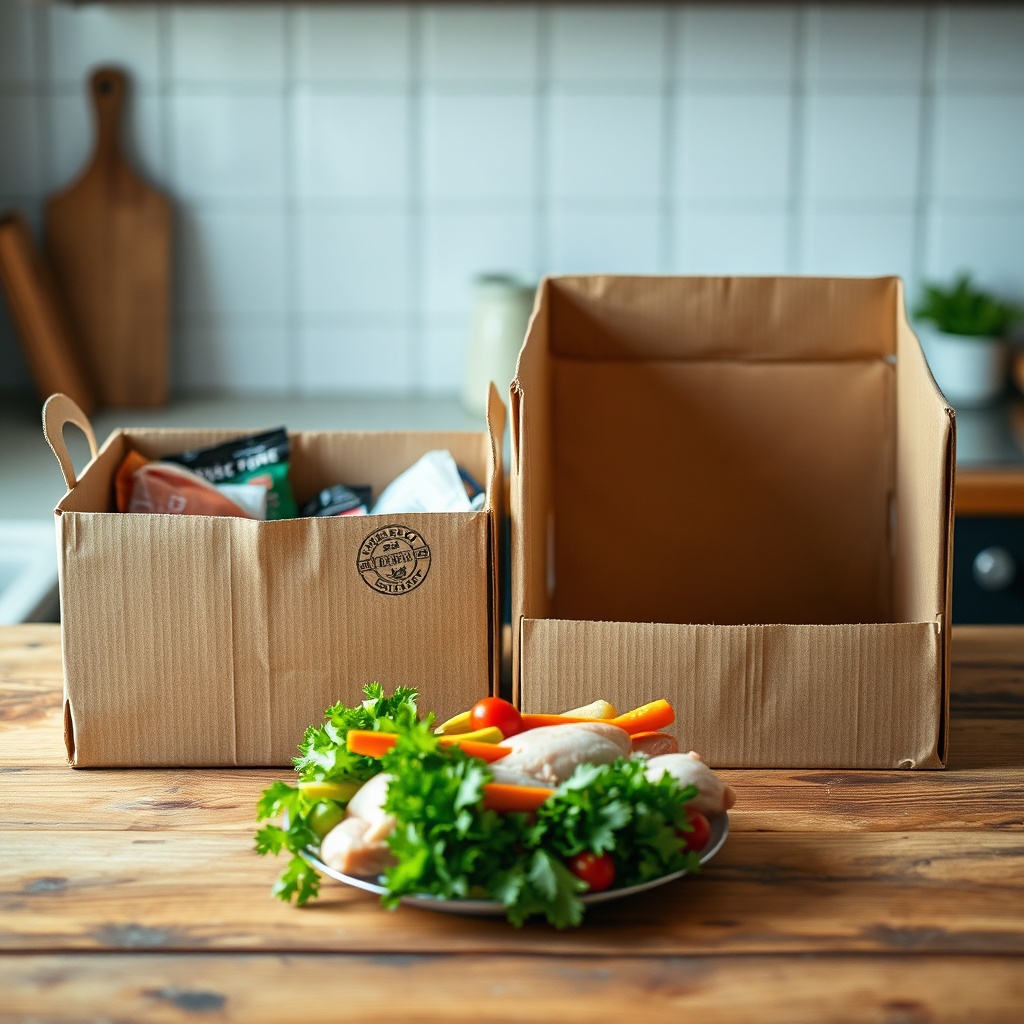
The Package Size Illusion Paradox How Visual Deception In Grocery Packaging Sabotages Meal Planning Efficiency And How The 2 Plus 1 Strategy Creates Transparency
Discover how shrinking package sizes trick your eye and budget. Learn the 2+1 meal planning strategy to bypass deceptive packaging and shop smarter.
The Package Size Illusion Paradox: How Visual Deception in Grocery Packaging Sabotages Meal Planning Efficiency and How the 2+1 Strategy Creates Transparency
**
The Invisible Inflation: Shrinking Packages, Rising Costs
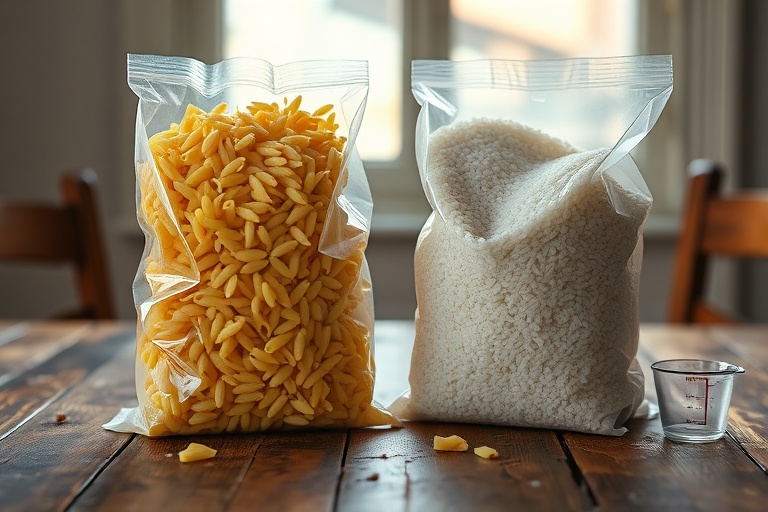
Have you ever noticed that your favorite products seem to be getting smaller, yet the price remains the same? You're not alone. This phenomenon, distinct from shrinkflation, is a silent force driving up your grocery bills. A groundbreaking study by the University of Massachusetts Amherst revealed that packaging sizes have shrunk by nearly 15% between 2012 and 2019, adding nearly 4 percentage points to food inflation that official measures miss.[1]

**
The Psychological Trick: Why We Don't Notice
Why aren't consumers up in arms about this silent downsizing? It turns out, we're being played by a clever psychological trick. A study from Tilburg University showed that consumers react much more strongly to price changes than product size changes. This means that when a product shrinks, we're less likely to notice or care, allowing manufacturers to boost revenues by 6% after size reduction.[2]
The Meal Planning Conundrum: Protein Portion Predicament
For home cooks, this packaging sleight of hand creates a significant meal planning challenge. With protein portions becoming less predictable, it's harder to accurately plan for weekly meals. This visual deception can lead to overbuying or underbuying, both of which result in waste and increased costs.

**
The Grocery Store's Optical Illusion: The Size Awareness Gap
The problem is exacerbated by what Advantage Solutions terms the "size awareness gap". Eighty-five percent of shoppers would buy larger-sized products if the price didn't increase, but only 39% would notice the change unprompted.[3] This means that most of us are walking into the grocery store blind, unable to see through the packaging illusion.
The 2+1 Strategy: A Shield Against Packaging Deception
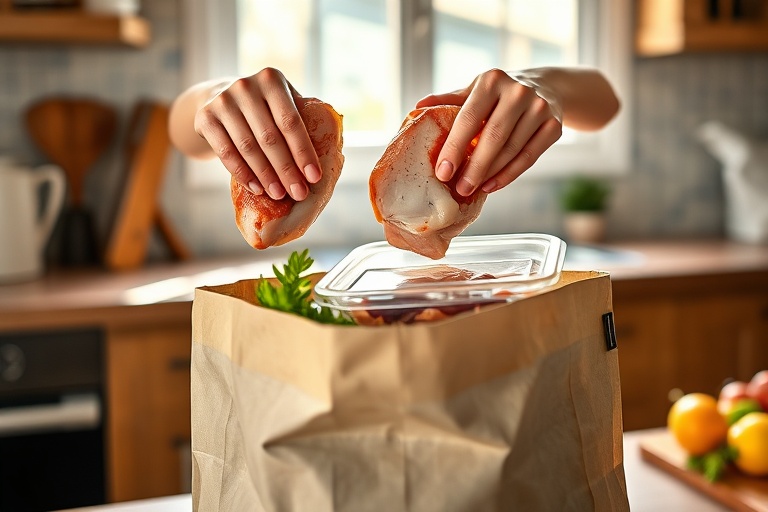
So, how can home cooks protect themselves from this visual deception? The answer lies in structured meal planning. The 2+1 Strategy, which focuses on planning around two fresh core proteins plus one freezer-breaker, creates transparent quantity benchmarks that bypass packaging deception.

**
Quantity-Based Benchmarks
By predetermining the protein quantities needed for the week, you're not making size-price evaluations in the cognitive-drained state of grocery shopping. This means you're less likely to be fooled by same-shelf-size packages containing 15% less product.
Strategic Purchasing
The 2+1 Strategy's freezer-breaker component also allows for strategic purchasing of larger quantities when value is detected. This means you can take advantage of bulk discounts and avoid the packaging deception cycle.
The Science Behind the Strategy
The 2+1 Strategy's effectiveness is backed by academic research. A study published in the International Journal of Industrial Organization found that shrinkage was more common when consumers were "less able or less likely to notice". This includes higher-income households, in states without unit pricing laws, and in sugary foods.[4] By structuring your meal planning around specific quantities, you're actively working against these deception zones.
> "By planning your meals around specific protein quantities, you're creating a shield against the packaging illusion. You're no longer a victim of the grocery store's optical trickery. Instead, you're in control, making informed decisions that save you money and reduce waste."
**
Conclusion
The packaging size illusion paradox is a real and significant challenge for home cooks. However, with the right strategy, we can overcome this visual deception and take control of our meal planning. By embracing the 2+1 Strategy, we're creating a transparent, efficient system that protects us from the grocery store's optical illusion.
Sources
[1] Study reveals shrinking package sizes hide significant food inflation
[2] Consumers react more to price than product size changes
[3] For budget-conscious shoppers, the right price is a priority