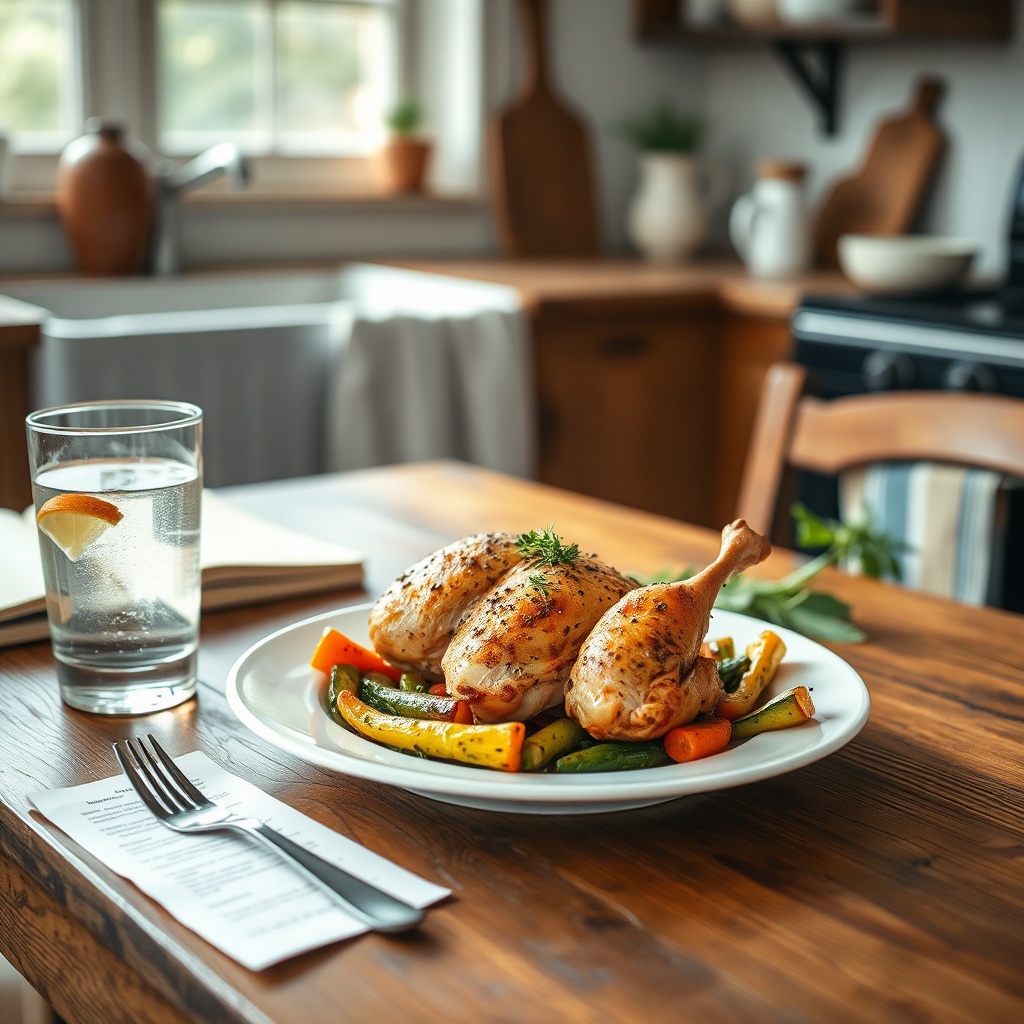
The Neurogastronomic Home Cooking Paradox Transforming Simple Meals Into Memorable Experiences
Learn how to use multisensory psychology—lighting, music, ambiance—to turn simple home-cooked meals into unforgettable dining experiences without extra work.
The Neurogastronomic Home Cooking Paradox: Transforming Simple Meals into Memorable Experiences
In the ever-evolving culinary landscape of 2026, a fascinating paradox is emerging: the principles that make minimalism work are also the key to creating more memorable, satisfying meals through maximal sensory engagement. As home cooks seek to reduce cognitive load and decision fatigue, the burgeoning field of neurogastronomy offers revolutionary insights that bridge efficiency and culinary excellence. By applying fine dining's multisensory principles to structured meal planning, we can transform routine dinners into memorable experiences without adding complexity. Let's explore how multisensory psychology can enhance your home cooking journey.
The Science of Flavor: A Multisensory Experience
Before we dive into practical applications, let's understand the science behind flavor. Dr. Bryan Quoc Le, a leading neurogastronomy expert, explains that "flavor is a multisensory memory system" where "the brain fuses aroma, taste, texture, temperature, and even context into a single 'flavor memory'" (Food Institute). This means that our perception of flavor is not limited to taste buds; it's a holistic experience that engages our senses.
The Role of Ambiance in Flavor Perception
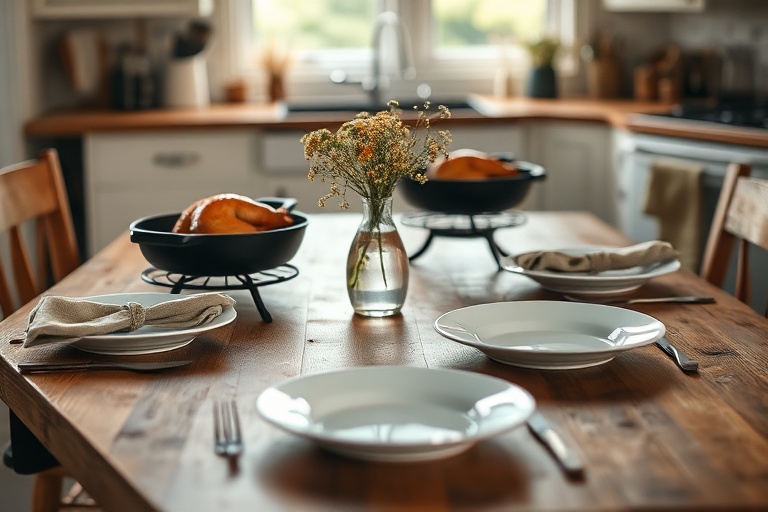
One critical aspect of this multisensory experience is the kitchen's ambiance. The same chicken dinner can taste different when eaten in a thoughtfully set kitchen versus a chaotic one because "context" contributes to flavor memory. This is not just about atmosphere; it's actual brain processing that determines flavor perception (Food Institute).
](https://source.unsplash.com/1600x900/?kitchen,table)
The Emerging Field of Sonic Seasoning
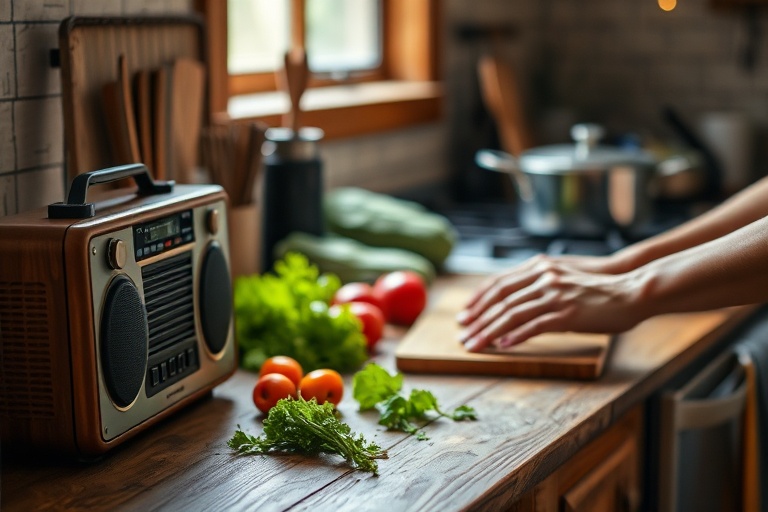
Another fascinating aspect of multisensory cooking is "sonic seasoning"—the phenomenon where sound affects taste perception. Research shows that even perception of saltiness and spiciness is affected by pitch and cadence, and your subconscious emotional connection to a food can hinge on what your ears take in (Eating and Feeding). This means that playing certain music while cooking or eating can literally change how food tastes.
](https://source.unsplash.com/1600x900/?music,cooking)
Applying Multisensory Principles at Home
Now that we understand the science behind multisensory cooking, let's explore how to apply these principles at home. Here are some practical tips to transform your meals:
1. Set the Scene: Lighting and Ambiance
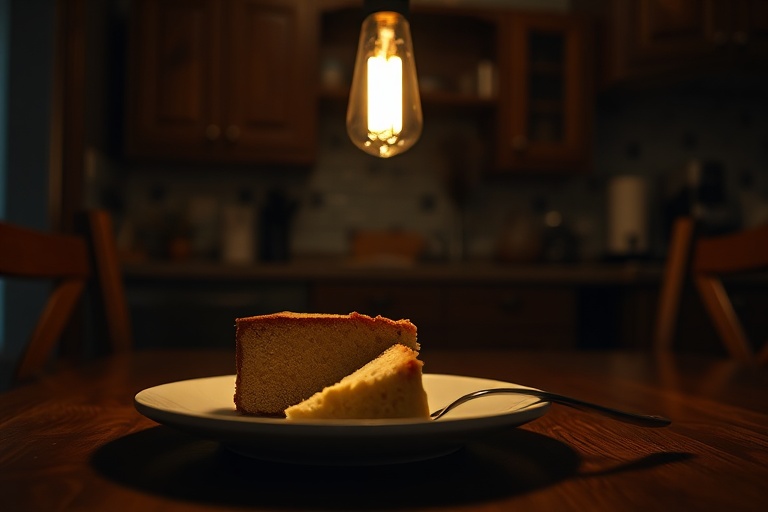
Start by creating a welcoming ambiance with lighting. Soft, warm lighting can enhance the perception of sweetness, while bright, cool lighting can make food taste saltier (Kitchen Theory). So, dim the lights for dessert or use cool, bright lights for your saltier dishes.
](https://source.unsplash.com/1600x900/?lighting,ambiance)
2. Cook (and Eat) to the Beat
Music can also alter taste perception. High-pitched music can enhance sweetness, while low-pitched music can make food taste bitter. So, play some upbeat tunes for your sweet treats or classical music for your steak (Eating and Feeding).
3. The Power of Aromas
Aromas play a significant role in flavor perception. Consider using herbs, spices, or even essential oils to enhance the aroma of your dishes. For example, citrus scents can enhance sweetness, while peppery scents can make food taste spicier (Kitchen Theory).

](https://source.unsplash.com/1600x900/?aromas,cooking)
The MealSolved Approach to Multisensory Cooking
MealSolved's 2+1 strategy is the perfect foundation for multisensory cooking. Here's how you can integrate these principles into your meal planning:
-
Fresh Proteins: Use the 2+1 strategy to plan your meals around two fresh core proteins. Then, experiment with different sensory variables for each protein to create variety. For example, you might use different music for each protein or set the lighting accordingly.
-
Freezer-Breaker: Use your freezer-breaker meal as an opportunity to experiment with different sensory experiences. Since these meals are less frequent, they can be more adventurous in terms of multisensory design.
Start Small: One Sensory Lever at a Time
Remember, you don't have to overhaul your entire cooking experience at once. KitchenHub recommends picking one sensory lever per quarter to make experiments manageable (KitchenHub). So, start with one sensory variable (music in Q1, lighting in Q2, etc.) and build from there.
"Pro Tip: Start with one sensory variable per quarter. This makes multisensory cooking manageable and allows you to build a rich, engaging dining experience over time."
Conclusion
The neurogastronomic home cooking paradox reveals that the principles of minimalism and maximal sensory engagement can coexist and enhance each other. By applying fine dining's multisensory principles to structured meal planning, we can transform routine dinners into memorable experiences without adding complexity. So, go ahead, set the scene, cook to the beat, and enjoy the symphony of flavors in your home kitchen.
Sources
-
Niman Ranch: Sensory Experiences and Intentionality Dominate 2026 Culinary Trends
-
Food Institute: Nostalgia Meets Neurogastronomy: The Psychology and Science of Flavor Recreation
-
Eating and Feeding: Sonic Seasoning: How Food Marketers and Chefs are Using Sound to Enhance Flavor
-
KitchenHub: The Silent Menu: How Music, Aromas, and Lighting Shape Dining Experiences